

Flying with Rhinitis: In-Flight Comfort and Planning
Tips to make air travel more comfortable when you have rhinitis. Practical planning, packing, and in-flight strategies to reduce irritation and manage symptoms.
In brief
Prepare for flights by choosing seats, packing nasal-care items, and using simple in-flight habits that many people with rhinitis find helpful.
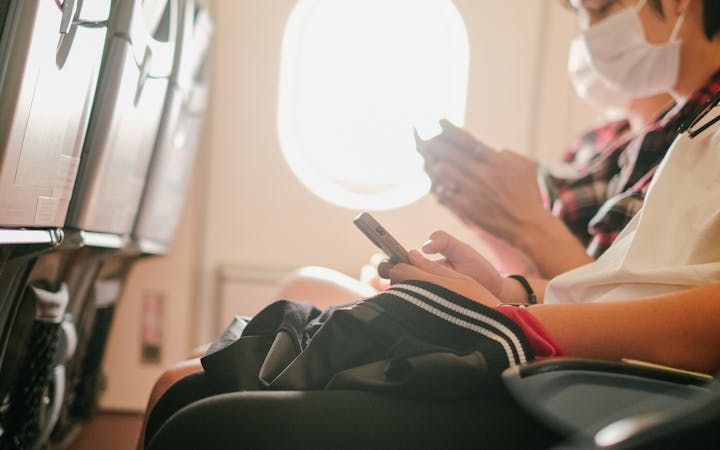
Photo by William Gevorg Urban on Pexels
Air travel can challenge people with rhinitis because cabin air is dry and environments are full of scents, cleaning products, and other triggers. Thinking ahead about seat selection, timing, and how long you’ll be in transit can help you make small choices that improve comfort without major changes to your itinerary.
Packing a small, accessible travel kit can reduce stress during a trip. Consider including items such as tissues, a sealed saline squeeze bottle or single-use saline packets, a small travel-sized moisturizer for lips and nostrils, hand sanitizer, and extra face masks if you use them. Keep liquids within airline carry-on limits and review security rules before you fly.
During boarding and in-flight, simple habits may make the cabin feel less irritating: sip water regularly to counteract dryness, avoid strong fragrances when possible, and use saline spray or rinses if those are part of your usual routine. Some people find that keeping a damp tissue or a lightly moistened mask over the nose and mouth helps with dryness; responses vary, so choose what feels best for you.
Changes in cabin pressure can affect your nasal passages for some travelers. Gentle swallowing, yawning, or chewing can feel easing to some people during ascent and descent. If you expect prolonged discomfort, consider seat choices that reduce disturbance and allow easier access to the lavatory or aisle.
If you have concerns about carrying nasal-care items, oxygen, or other medical devices, check airline policies before booking and during check-in. Cabin crews can sometimes help with practical questions while onboard, and arriving early can reduce stress at security and boarding.
A little preparation often improves the travel experience for people with rhinitis. Planning your packing, being mindful of triggers, and using simple in-flight strategies can help you stay more comfortable throughout your journey; if you have specific questions about medications or medical equipment, reaching out to a health professional or the airline ahead of time can provide clarity.
Daily articles
Subscribe for daily reads and jump into the latest article now.
Receive RhinitisRank articles by text message and email each day, then head straight to the article library whenever you want a deeper read.

Fresh reading
Educational reads for flare-ups, patterns, and next steps.
Related reading
More articles in this topic cluster
Continue with nearby rhinitis questions, symptom patterns, and follow-up reading.

Flying With Rhinitis: Airport and In-Flight Comfort Tips
Travel with fewer surprises: plan seating and pack a compact comfort kit to help with dry air, crowds, and airport triggers when you have rhinitis.

Flying with Rhinitis: Planning Airports and In-Flight Comfort
Traveling by air can present familiar triggers for rhinitis. This article outlines planning steps, carry-on comfort items, and ways to manage airport and in-flight environments.
Traveling Smart With Rhinitis: Air Travel and Packing
Travel can introduce extra irritants and comfort challenges for people with rhinitis. This article offers practical, non-prescriptive ideas for planning, packing, and managing common airport and in-flight situations.
Archive
Back to the article hub
Browse more RhinitisRank articles and long-tail education pages.
OpenPractical tools
Move into practical resources
Open tools like the trigger diary, checklists, and visit-prep resources.
OpenQuick assessment
Take the rhinitis quiz
Turn symptoms into a clearer starting point before your next appointment.
Open