

Flying With Rhinitis: Airport and In-Flight Comfort Tips
Practical ideas to reduce rhinitis discomfort during air travel. Simple planning and a compact comfort kit can make flights and busy airports easier to manage.
In brief
Travel with fewer surprises: plan seating and pack a compact comfort kit to help with dry air, crowds, and airport triggers when you have rhinitis.
Photo by Elizabeth Rushkovska on Pexels
Air travel can bring several factors that often affect people with rhinitis: dry, recirculated cabin air, crowded terminals, changes in pressure, and exposure to scents or cleaning agents. Being aware of these triggers before and during travel helps you plan practical steps to keep the trip more comfortable.
Before you go, consider timing, seat choice, and logistics that reduce stress. Booking seats with easier aisle access, checking airport layouts to minimize walking, and allowing extra time through security or connections can lower exposure to crowded, high-traffic areas.
Many travelers prepare a compact comfort kit to carry on board. Items people often include are a small bottle of water, soft tissues, lip balm, a face mask or scarf, sunglasses for windy walkways, and travel-sized saline or nasal hygiene products if those are already part of their routine. If you have questions about which items suit you, a clinician or pharmacist can offer personalized guidance.
At the airport and on the plane, focus on small habits that support nasal comfort. Staying hydrated, taking brief walks through terminals when feasible, and avoiding strong perfumes or cleaning smells where possible are practical steps some find helpful. If cabin dryness is an issue, using a face covering or applying moisture to lips and nasal skin can provide temporary relief for some people.
Crowds and air exposure are common triggers; plan for downtime and quiet spaces if you expect busy terminals. If pressure changes affect you, think ahead about scheduling and discuss any concerns with a healthcare provider to explore tailored strategies. Keeping a flexible mindset helps—delays and busy gates are easier to handle when you have simple coping options on hand.
Travel planning that reflects your own patterns and comfort needs is the most useful approach. For specific questions about medications, devices, or clinical strategies related to rhinitis in travel settings, a conversation with your healthcare provider can help match options to your situation.
Daily articles
Subscribe for daily reads and jump into the latest article now.
Receive RhinitisRank articles by text message and email each day, then head straight to the article library whenever you want a deeper read.

Fresh reading
Educational reads for flare-ups, patterns, and next steps.
Related reading
More articles in this topic cluster
Continue with nearby rhinitis questions, symptom patterns, and follow-up reading.
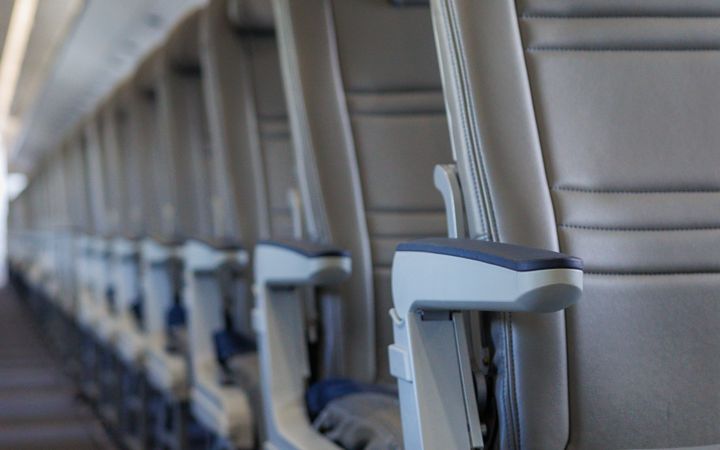
Air Travel with Rhinitis: Airport and In-Flight Tips
Small adjustments at the airport and on board can help reduce exposure to common triggers. Learn practical approaches to packing, seating, and in-flight routines.
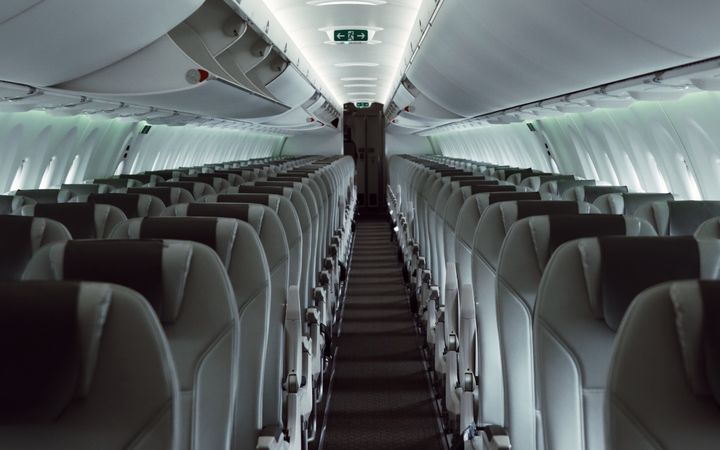
Flying with Rhinitis: In-Flight Comfort and Planning
Prepare for flights by choosing seats, packing nasal-care items, and using simple in-flight habits that many people with rhinitis find helpful.

Flying with Rhinitis: From Security to In-Flight Comfort
Tips for navigating the airport and cabin when you have rhinitis, with simple strategies to reduce discomfort without medical advice.
Archive
Back to the article hub
Browse more RhinitisRank articles and long-tail education pages.
OpenPractical tools
Move into practical resources
Open tools like the trigger diary, checklists, and visit-prep resources.
OpenQuick assessment
Take the rhinitis quiz
Turn symptoms into a clearer starting point before your next appointment.
Open