

Managing Rhinitis Around Cooking, Spices, and Restaurants
Smells in kitchens and restaurants can trigger rhinitis symptoms for some people. This article offers practical, non-prescriptive ways to reduce exposure and plan meals out or at home.
In brief
Learn strategies to reduce rhinitis reactions to cooking fumes, spices, and restaurant aromas. Tips cover ventilation, ordering, and coping during food prep.
Photo by Andrea Piacquadio on Pexels
Strong cooking aromas, frying grease, steam, and concentrated spices are common triggers for people with rhinitis. Not everyone reacts the same way; noticing which specific smells or cooking methods lead to symptoms can help you plan and adapt.
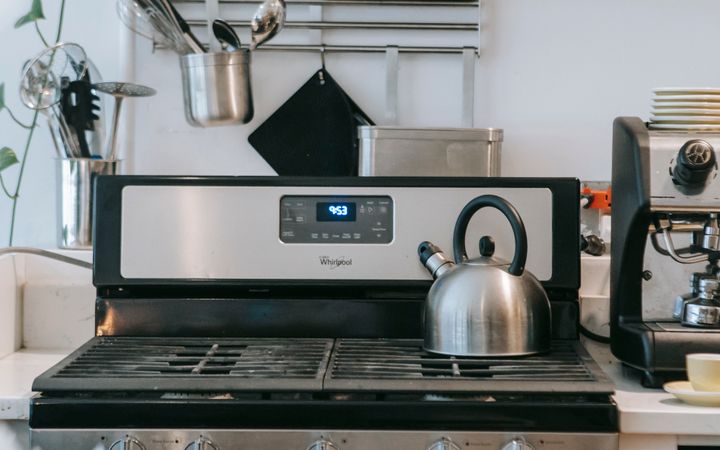
At home, ventilation often makes a big difference. Using a range hood, opening windows, running a portable air cleaner, or cooking with lids and lower heat can reduce airborne irritants during prep and frying.
When eating out, location and menu choices may help. Choosing outdoor seating, sitting away from the kitchen or bar, asking for milder seasoning, or requesting dishes prepared without strong oils or charring are all options some people find helpful.
Smell sensitivity can also be triggered by strong perfumes, cleaning products, or smoke in restaurant spaces. If possible, check reviews or call ahead about ventilation and crowding, and consider quieter times or venues with good air flow.
Personal habits before and after meals may reduce discomfort for some people. Rinsing your nose with saline, staying hydrated, avoiding heavy cleaning products before cooking, and changing clothes after exposure to strong food odors are common self-care approaches; discussing new routines with a clinician can be useful.
Keeping a simple log of where and when symptoms occur — types of foods, cooking methods, seating location, and timing — can help identify patterns to share with a healthcare professional. That information can make conversations about management strategies more productive.
Daily articles
Subscribe for daily reads and jump into the latest article now.
Receive RhinitisRank articles by text message and email each day, then head straight to the article library whenever you want a deeper read.

Fresh reading
Educational reads for flare-ups, patterns, and next steps.
Related reading
More articles in this topic cluster
Continue with nearby rhinitis questions, symptom patterns, and follow-up reading.
Cooking Without the Sneezes: Rhinitis-Friendly Kitchen Tips
Simple changes in how and what you cook can help limit kitchen smells and steam that bother some people with rhinitis. Try ventilation, ingredient choices, and timing ideas.

Recognizing Medication and Hormone-Linked Rhinitis Triggers
Rhinitis symptoms can shift with certain medicines or hormonal phases. Learn how to spot patterns, track changes, and bring clear information to your clinician.

Choosing and Using Masks for Rhinitis Comfort
Masks influence exposure to airborne triggers and nasal sensations. This guide outlines material, fit, and practical considerations for choosing face coverings with rhinitis in mind.
Archive
Back to the article hub
Browse more RhinitisRank articles and long-tail education pages.
OpenPractical tools
Move into practical resources
Open tools like the trigger diary, checklists, and visit-prep resources.
OpenQuick assessment
Take the rhinitis quiz
Turn symptoms into a clearer starting point before your next appointment.
Open