

Moving House with Rhinitis: Practical Planning Tips
Moving can raise exposure to dust, cleaners, and other triggers. Practical steps before, during, and after a move can help reduce avoidable irritants.
In brief
A move brings packing, transport, and a new indoor environment. Thoughtful planning and simple routines may make moving day and settling in easier for people with rhinitis.
Photo by SHVETS production on Pexels
Moving often stirs up dust, old fabrics, and residues from cleaning products or pets in a new place. These changes in the environment can increase exposure to common rhinitis triggers, so planning ahead may reduce discomfort during the transition.
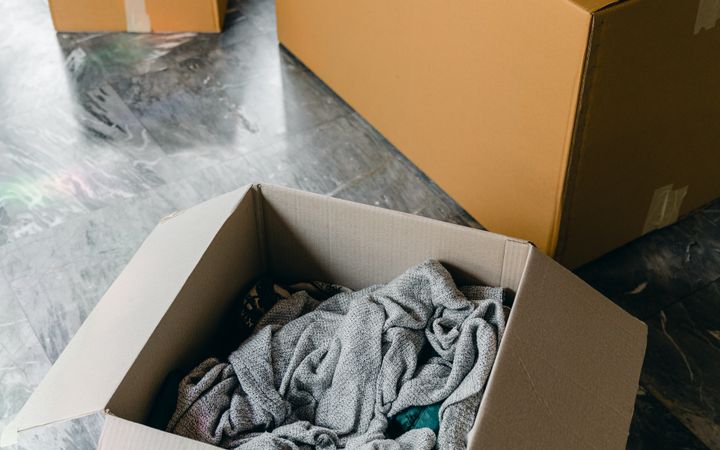
Before packing, consider decluttering and deep-cleaning areas where dust and debris collect. Packing non-essential items early and using sealed boxes or plastic bins for textiles can limit disturbance of dusty belongings during transit.
When packing and loading, label boxes clearly and group items by priority so essential personal items are accessible first. Gentle cleaning (damp wiping rather than dry dusting) before sealing boxes can reduce loose particles in packed goods.
On moving day, try to minimize time spent in dusty spaces and keep boxes closed during transport when possible. If coordinating with professional movers, communicating concerns about fragile or dust-prone items can help them handle those boxes more cautiously.
At the new place, prioritize basic cleaning before unpacking textiles and bedding, and wash linens and clothing soon after they arrive. Checking and replacing HVAC or air filters, and ventilating spaces as practical, can help the new home feel settled more quickly.
Pace unpacking to avoid long, concentrated exposure in one session, and talk through any cleaning or scheduling needs with roommates or landlords ahead of time. Small planning steps can make the moving process smoother and help you settle into a lower-trigger living space.
Daily articles
Subscribe for daily reads and jump into the latest article now.
Receive RhinitisRank articles by text message and email each day, then head straight to the article library whenever you want a deeper read.

Fresh reading
Educational reads for flare-ups, patterns, and next steps.
Related reading
More articles in this topic cluster
Continue with nearby rhinitis questions, symptom patterns, and follow-up reading.
Moving House with Rhinitis: Planning, Packing, and Protection
Moving can stir up dust, smells, and disruption that affect rhinitis symptoms. This article offers practical, non-prescriptive steps to lower exposure and stay comfortable.

Moving Houses with Rhinitis: Tips for Less Irritation
Practical steps to lower dust and irritant exposure when packing, loading, and settling into a new home. Simple habits and timing choices can ease the move.

Managing Rhinitis When Moving House: Packing, Cleaning, Settling
Moving can stir up dust and odors that affect rhinitis. Learn practical, non-prescriptive steps for packing, cleaning, ventilating, and unpacking to help reduce triggers.
Archive
Back to the article hub
Browse more RhinitisRank articles and long-tail education pages.
OpenPractical tools
Move into practical resources
Open tools like the trigger diary, checklists, and visit-prep resources.
OpenQuick assessment
Take the rhinitis quiz
Turn symptoms into a clearer starting point before your next appointment.
Open