
Gardening with Rhinitis: Outdoor Plant Care and Triggers
Practical ways to reduce exposure to pollen, soil dust, and compost while gardening. Tips focus on planning, protective habits, and simple cleanup routines.
In brief
Simple strategies for gardening with rhinitis: pick lower-irritant tasks, use basic protection, and clean up to reduce lingering pollen and soil dust.
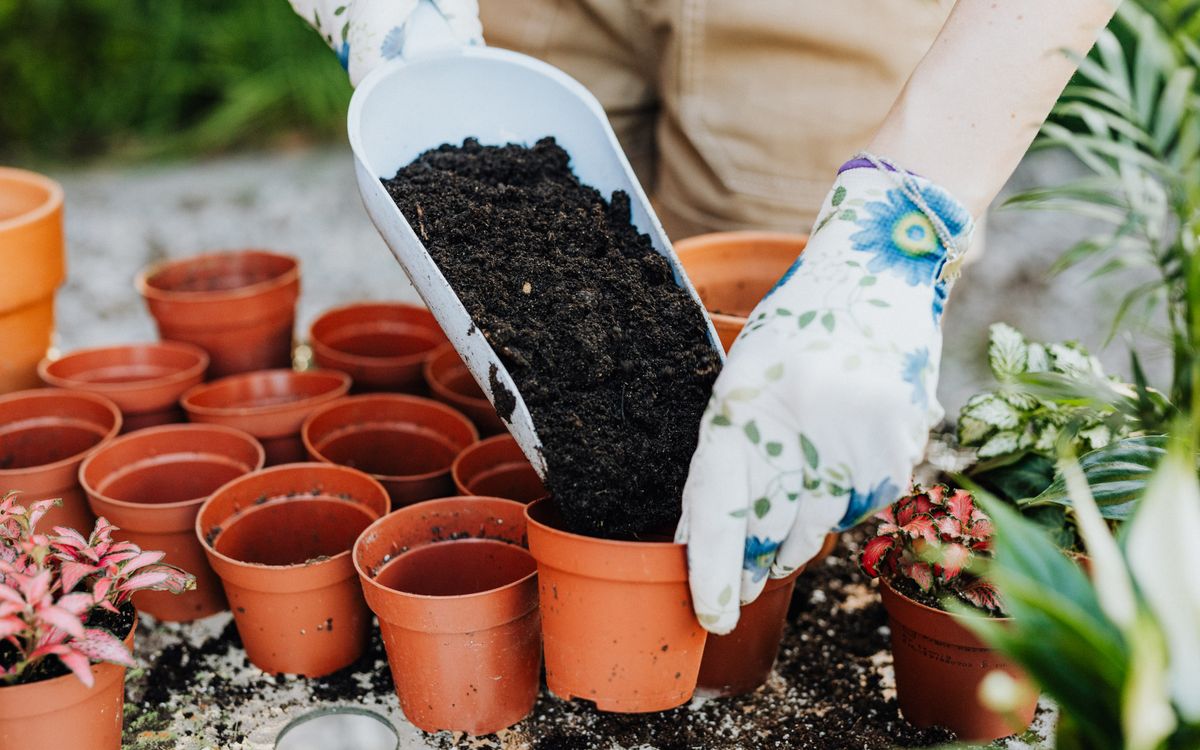
Photo by https://kaboompics.com/ on Pexels
Many people with rhinitis notice symptoms triggered by outdoor activities such as gardening. Plants release pollen, disturbed soil can create dust, and compost or damp mulch may carry mold spores or strong odors. Understanding which tasks stir up irritants helps when planning work in the yard.
Choose gardening times and tasks with exposure in mind. Some times of day and certain weather conditions are less likely to produce airborne pollen and dust; planning jobs—like watering or potting—when the garden is calmer can reduce what gets stirred up. For tasks that raise dust or spores, consider breaking work into shorter sessions.
Use basic protective measures and gentle techniques. Lightweight eye protection, gloves, long sleeves, and a face covering can reduce direct contact with plant material and soil. Wetting soil lightly before working, using a watering can instead of dry raking, and handling compost carefully can lower the amount of airborne particles.
After gardening, simple cleanup helps limit residues. Changing clothes, washing hands and face, and rinsing off tools and gloves prevents tracked-in material. Some people find rinsing the nose with saline or other routine measures helpful to remove surface residue; discussing options with a healthcare professional can clarify what might suit you.
Plant and layout choices can also influence exposure over time. Grouping vegetation, using low-dust mulches, choosing plants with less airborne pollen, and favoring containers or raised beds can reduce weeding and soil disturbance. Small adjustments to how and when you garden often make the activity more comfortable without giving up the benefits of time outdoors.
Daily articles
Subscribe for daily reads and jump into the latest article now.
Receive RhinitisRank articles by text message and email each day, then head straight to the article library whenever you want a deeper read.

Fresh reading
Educational reads for flare-ups, patterns, and next steps.
Related reading
More articles in this topic cluster
Continue with nearby rhinitis questions, symptom patterns, and follow-up reading.

Gardening and Yard Work With Rhinitis: Practical Tips
Practical suggestions for gardening and yard work when you have rhinitis. Learn about timing, gear, plant and soil choices, and cleanup habits to reduce exposure.

Managing Rhinitis While Gardening and Doing Yard Work
Simple planning, protective gear, and post-work routines can reduce exposure to common outdoor triggers when gardening. Small changes before and after tasks can matter.
Yard Work and Rhinitis: Managing Outdoor Triggers and Tasks
Simple adjustments can help reduce rhinitis discomfort during yard work. This guide covers timing, gear, task choices, and cleanup ideas to lower trigger contact.
Archive
Back to the article hub
Browse more RhinitisRank articles and long-tail education pages.
OpenPractical tools
Move into practical resources
Open tools like the trigger diary, checklists, and visit-prep resources.
OpenQuick assessment
Take the rhinitis quiz
Turn symptoms into a clearer starting point before your next appointment.
Open