
Managing Rhinitis While Gardening and Doing Yard Work
Gardening and yard tasks can expose you to pollen, dust, mold, and soil particles that affect rhinitis. Practical, non-prescriptive strategies can help you plan and protect your comfort outdoors.
In brief
Simple planning, protective gear, and post-work routines can reduce exposure to common outdoor triggers when gardening. Small changes before and after tasks can matter.
Working in a garden or doing yard work can be enjoyable but it often involves exposure to common rhinitis triggers such as pollen, dust, mold spores, and disturbed soil. Not everyone responds the same way, so consider which outdoor tasks tend to affect your symptoms and plan around them when possible.
Timing and conditions can influence exposure. Some people find that working after a rain or later in the day reduces airborne pollen, while others prefer early morning; local conditions vary. Lightly wetting dusty areas or soil before digging can help limit particles, and tackling high-dust jobs when you feel best may reduce discomfort.
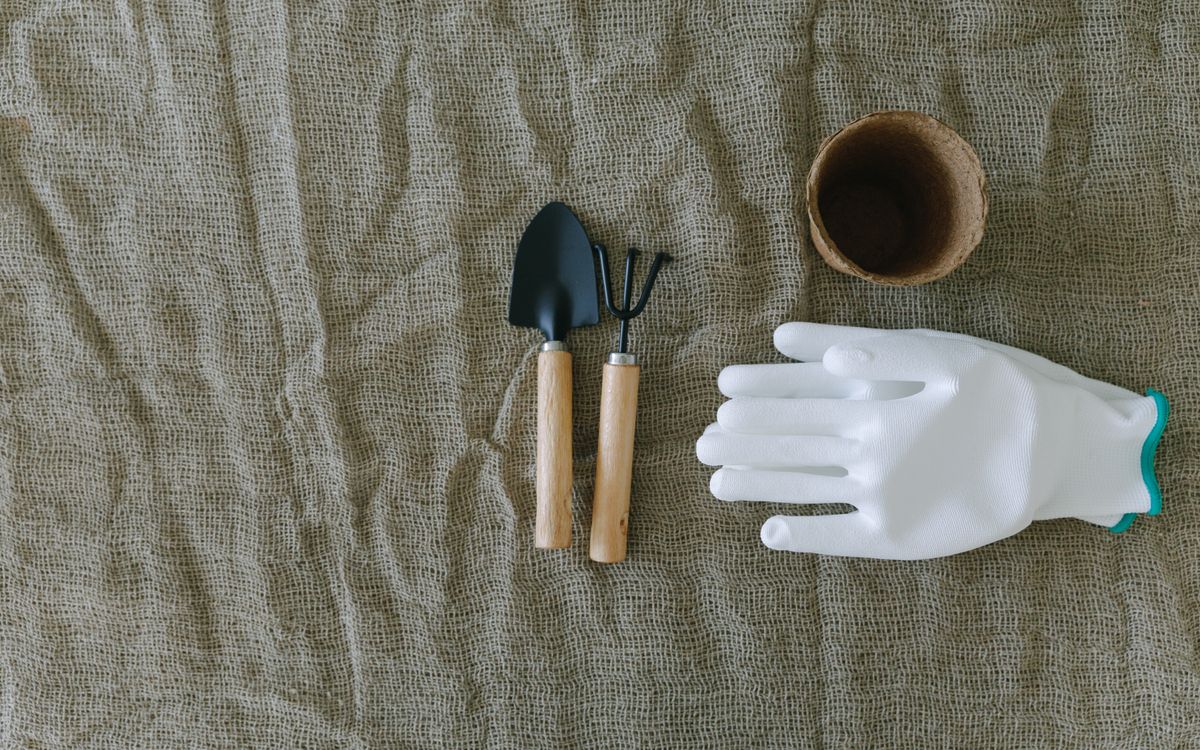
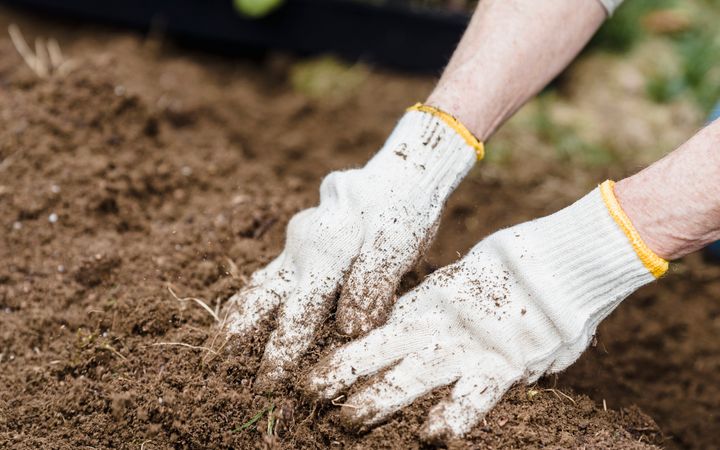
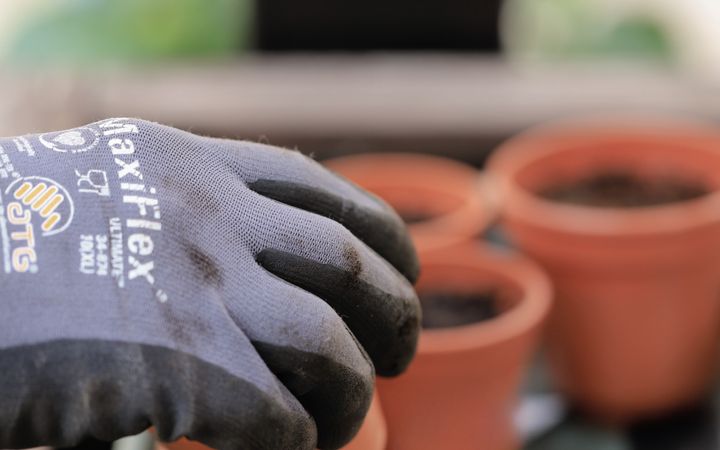
Simple protective measures may help minimize contact with triggers. Wearing gloves, long sleeves, eye protection, and a face covering can reduce direct exposure; using tools instead of bare hands can limit stirring up debris. Bringing a small kit with tissues, hand wipes, and a spare shirt can make post-work cleanup easier.
Plant choices and task adjustments can change how often you encounter triggers. Low-pollen plant varieties, contained compost bins, and mulching can reduce airborne particles; handle decaying leaves and compost when they are damp to limit dust and spores. Rotating tasks so you’re not doing heavy dust-generating jobs during peak symptom times can also help.
After working outdoors, rinsing off pollen and changing clothes may reduce carry-home exposure. Some people find saline rinses or nasal sprays comfortable for rinsing nasal passages, while others prefer a simple hand-wash and shower routine. If rhinitis symptoms persist or notably interfere with activities you enjoy, consider discussing options with a healthcare professional during a routine visit.
Daily articles
Subscribe for daily reads and jump into the latest article now.
Receive RhinitisRank articles by text message and email each day, then head straight to the article library whenever you want a deeper read.

Fresh reading
Educational reads for flare-ups, patterns, and next steps.
Related reading
More articles in this topic cluster
Continue with nearby rhinitis questions, symptom patterns, and follow-up reading.
Gardening with Rhinitis: Planning, Plants, and Timing
Practical ideas for gardening when rhinitis is a factor — from picking plants to planning tasks and limiting compost or pollen exposure.
Gardening with Rhinitis: Practical Steps for Outdoor Work
Simple, cautious tips to help people with rhinitis plan and enjoy gardening. Learn ways to lower exposure, choose plants, and handle post-gardening care.

Gardening with Rhinitis: Outdoor Plant Care and Triggers
Simple strategies for gardening with rhinitis: pick lower-irritant tasks, use basic protection, and clean up to reduce lingering pollen and soil dust.
Archive
Back to the article hub
Browse more RhinitisRank articles and long-tail education pages.
OpenPractical tools
Move into practical resources
Open tools like the trigger diary, checklists, and visit-prep resources.
OpenQuick assessment
Take the rhinitis quiz
Turn symptoms into a clearer starting point before your next appointment.
Open