
Gardening and Yard Work with Rhinitis: Practical Tips
Simple strategies to reduce exposure while gardening and doing yard tasks. Plan, protect, and follow gentle aftercare to help manage symptoms.
In brief
Practical steps for people with rhinitis who garden: timing, protective gear, task choices, and aftercare to limit exposure to outdoor triggers.
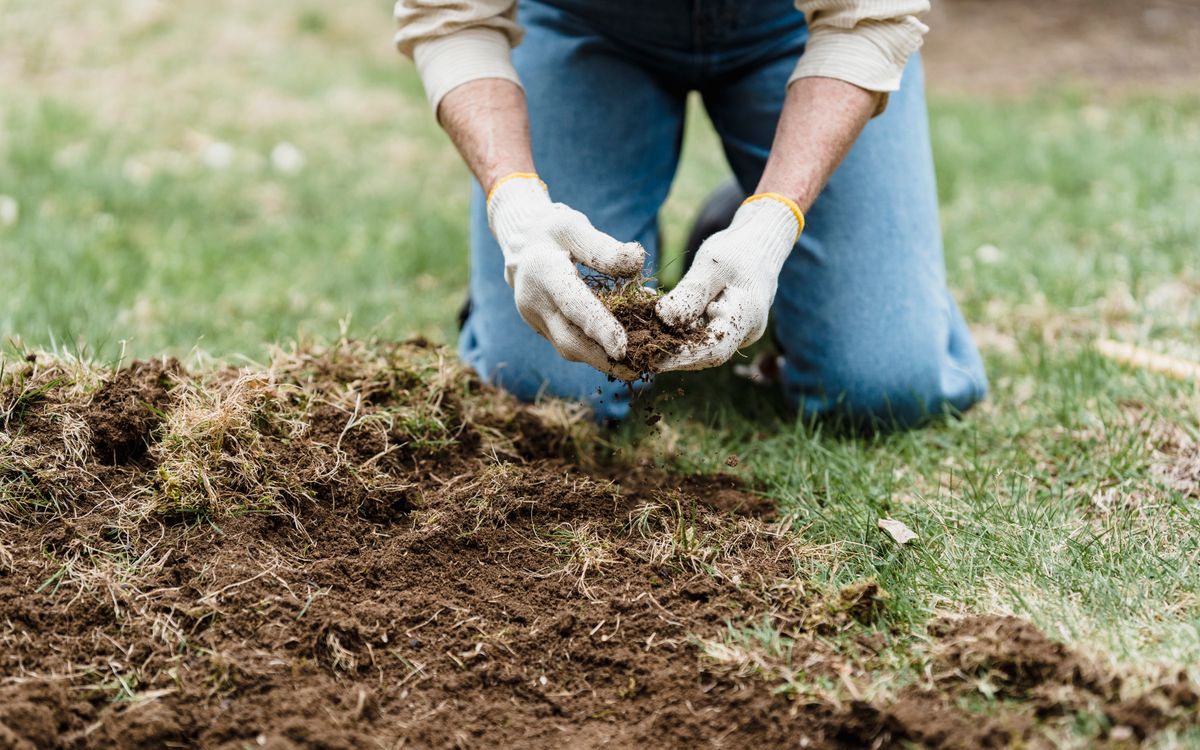
Photo by Greta Hoffman on Pexels
Spending time in the yard can be rewarding but may also bring exposure to pollen, dust, and organic materials like compost and mulch. People with rhinitis often notice changes in symptoms when handling soil, trimming plants, or stirring up leaf litter. Being aware of common outdoor triggers can help you choose tasks and timing that suit your comfort level.
Planning can make a big difference. Some gardeners find that certain times of day or days after rain have fewer airborne particles, and checking local pollen forecasts or weather can inform when to work. Breaking large jobs into short sessions and avoiding peak exposure activities on high-count days are practical ways to limit time around triggers.
Simple protective measures are useful for many people. A well-fitting mask, eye protection, and gloves can reduce direct contact with plant debris and dust, while dampening dry soil or leaves before disturbing them helps limit airborne particles. Choose tools that reduce physical stirring of material when possible, and consider using a long-handled tool for bending tasks to keep distance from dusty areas.
Task-specific approaches help manage common trouble spots. When handling compost or fresh mulch, open bags or piles slowly and consider keeping them downwind. For mowing, raking, or leaf blowing, lower-speed settings or avoiding these jobs on high particle days can reduce how much debris becomes airborne. Pruning shrubs and hedges can be done with hand tools instead of power equipment if that feels better.
Aftercare matters: changing out of work clothes promptly, brushing off loose debris outdoors, and showering can remove particles from skin and hair. Washing work clothes separately and cleaning tools and gloves helps reduce repeat exposure. Some people choose saline rinses or over-the-counter nasal products as part of their routine; these are personal choices and may be worth discussing with a clinician.
Everyone’s responses differ, so try small changes to see what helps you most and adjust tasks to match your comfort. If symptoms limit activities or cause concern, consider discussing options with a healthcare professional who knows your history. Keeping tasks manageable and having a simple plan can make gardening with rhinitis more enjoyable.
Daily articles
Subscribe for daily reads and jump into the latest article now.
Receive RhinitisRank articles by text message and email each day, then head straight to the article library whenever you want a deeper read.

Fresh reading
Educational reads for flare-ups, patterns, and next steps.
Related reading
More articles in this topic cluster
Continue with nearby rhinitis questions, symptom patterns, and follow-up reading.

Managing Rhinitis While Gardening and Yard Work
Timing, tools, and simple cleanup steps can make gardening easier when you have rhinitis. Learn practical adjustments to limit exposure while doing yard tasks.
Gardening with Rhinitis: Planning, Timing, and Tool Tips
Practical ideas for timing, protective gear, plant choices, and cleanup to lower rhinitis triggers while gardening. Focuses on general strategies rather than medical advice.

Gardening and Yard Work with Rhinitis: Practical Comfort Tips
Simple planning, task selection, and basic hygiene can make gardening more comfortable when you have rhinitis. Learn practical ideas to reduce exposure to common outdoor irritants.
Archive
Back to the article hub
Browse more RhinitisRank articles and long-tail education pages.
OpenPractical tools
Move into practical resources
Open tools like the trigger diary, checklists, and visit-prep resources.
OpenQuick assessment
Take the rhinitis quiz
Turn symptoms into a clearer starting point before your next appointment.
Open