

Gardening and Yard Work with Rhinitis: Practical Comfort Tips
Being outdoors can be rewarding even when rhinitis bothers you. This article outlines practical, non-prescriptive ways to plan and manage common garden tasks to reduce irritants and stay comfortable.
In brief
Simple planning, task selection, and basic hygiene can make gardening more comfortable when you have rhinitis. Learn practical ideas to reduce exposure to common outdoor irritants.
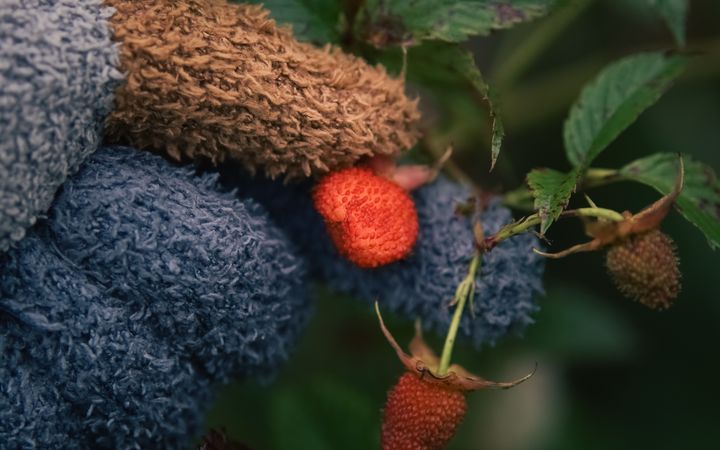
Photo by RDNE Stock project on Pexels
Many common gardening activities can stir up pollen, dust, and mold spores, which can be bothersome for people with rhinitis. Understanding which tasks are likely to release more particles and planning around them can help make outdoor time more comfortable.
Timing and weather can matter. Early morning and windy days often have higher airborne pollen and dust; some people find late afternoon or after light rain is calmer. Choosing lower-pollen plants, mulching to suppress dust, and keeping soil damp before digging are ways to reduce airborne particles while you work.
Task selection and technique can also help. Tasks that disturb dry leaves, compost, or soil tend to aerosolize irritants, so consider alternatives like hand-raking gentle pruning or using slower, lower-disturbance methods. If a task does produce dust or debris, taking shorter breaks and working in smaller sections may reduce continuous exposure.
Basic protective and comfort measures are worth considering. Wearing gloves, long sleeves, or a lightweight face covering can reduce direct contact with irritants for some people. Bringing water, tissues, or eye rinsing supplies and having a shaded rest area can make breaks more soothing.
Aftercare routines may improve comfort after gardening. Changing clothes, washing hands and face, or rinsing nasal passages with a method you already use may help remove particles that have settled. Monitoring which approaches make you feel better and adjusting your gardening habits over time is a gentle, practical way to stay active outdoors with rhinitis.
Daily articles
Subscribe for daily reads and jump into the latest article now.
Receive RhinitisRank articles by text message and email each day, then head straight to the article library whenever you want a deeper read.

Fresh reading
Educational reads for flare-ups, patterns, and next steps.
Related reading
More articles in this topic cluster
Continue with nearby rhinitis questions, symptom patterns, and follow-up reading.

Managing Rhinitis While Gardening and Yard Work
Timing, tools, and simple cleanup steps can make gardening easier when you have rhinitis. Learn practical adjustments to limit exposure while doing yard tasks.
Gardening with Rhinitis: Practical Yard and Plant Tips
Plan timing, adapt tasks, and pick protective options to limit exposure while gardening. Small changes can make outdoor projects more comfortable for people with rhinitis.

Gardening and Yard Work With Rhinitis: Practical Tips
Practical suggestions for gardening and yard work when you have rhinitis. Learn about timing, gear, plant and soil choices, and cleanup habits to reduce exposure.
Archive
Back to the article hub
Browse more RhinitisRank articles and long-tail education pages.
OpenPractical tools
Move into practical resources
Open tools like the trigger diary, checklists, and visit-prep resources.
OpenQuick assessment
Take the rhinitis quiz
Turn symptoms into a clearer starting point before your next appointment.
Open