

Flying with Rhinitis: Air Travel Comfort Tips for Flyers
Practical, non-prescriptive information about what people with rhinitis might expect when flying and how to plan for more comfortable air travel.
Air travel can present a mix of factors that affect people with rhinitis. Dry cabin air, recycled ventilation, close seating, and brief exposure to strong scents or cleaning agents are common features of flights that some people notice.
Before you fly, think about simple planning steps that may help your comfort. Packing a small travel kit with familiar items such as tissues, a sealed water bottle for hydration, and any non-prescription nasal moisturizers you usually use can be reassuring. Choosing a seat that feels less crowded or allows easier access to the aisle may reduce stress for some travelers.
During the flight, basic comfort measures can make a difference for some people. Staying hydrated, using a saline nasal spray if that is already part of your routine, and avoiding strong fragrances nearby are examples of low-risk options people often try. If cabin dryness is bothersome, a facial mist or sipping water periodically may feel helpful for a few travelers.
Consider ways to limit exposure to likely irritants while in airports and on the plane. Busy terminals and gates can carry concentrated scents or cleaning odors; leaning toward less congested waiting areas or timing restroom and boarding movements when possible may reduce brief exposures. If close seating raises concern about scented products on other passengers, wearing a mask or requesting a different seat are measures some people use for comfort.
After landing, give yourself time to recover from travel-related discomfort. Routines you use at home—such as a warm shower or gentle nasal rinse if those are already part of your practice—may help restore balance. If nasal symptoms are new, severe, or change in an unexpected way after travel, consider reaching out to a health professional to discuss next steps suited to your situation.
Daily articles
Subscribe for daily reads and jump into the latest article now.
Receive RhinitisRank articles by text message and email each day, then head straight to the article library whenever you want a deeper read.

Fresh reading
Educational reads for flare-ups, patterns, and next steps.
Related reading
More articles in this topic cluster
Continue with nearby rhinitis questions, symptom patterns, and follow-up reading.

Rhinitis and Air Travel: Practical Comfort Strategies
Prepare a travel kit, think through airport and cabin triggers, and plan basic comfort steps that many people find helpful when flying with rhinitis.
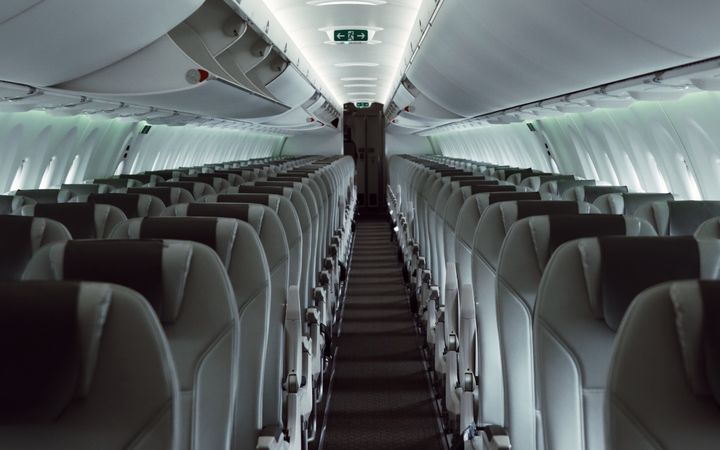
Flying with Rhinitis: In-Flight Comfort and Planning
Prepare for flights by choosing seats, packing nasal-care items, and using simple in-flight habits that many people with rhinitis find helpful.

Flying with Rhinitis: Practical Flight-Ready Strategies
Tips for preparing a travel kit, choosing seats, and using simple nasal-care habits that may ease rhinitis symptoms during air travel.
Archive
Back to the article hub
Browse more RhinitisRank articles and long-tail education pages.
OpenPractical tools
Move into practical resources
Open tools like the trigger diary, checklists, and visit-prep resources.
OpenQuick assessment
Take the rhinitis quiz
Turn symptoms into a clearer starting point before your next appointment.
Open