
Flying with Rhinitis: Practical Flight-Ready Strategies
Simple, non-prescriptive guidance to reduce nasal irritation and stay comfortable on flights. Practical packing and inflight habits can help you manage common triggers while traveling.
In brief
Tips for preparing a travel kit, choosing seats, and using simple nasal-care habits that may ease rhinitis symptoms during air travel.
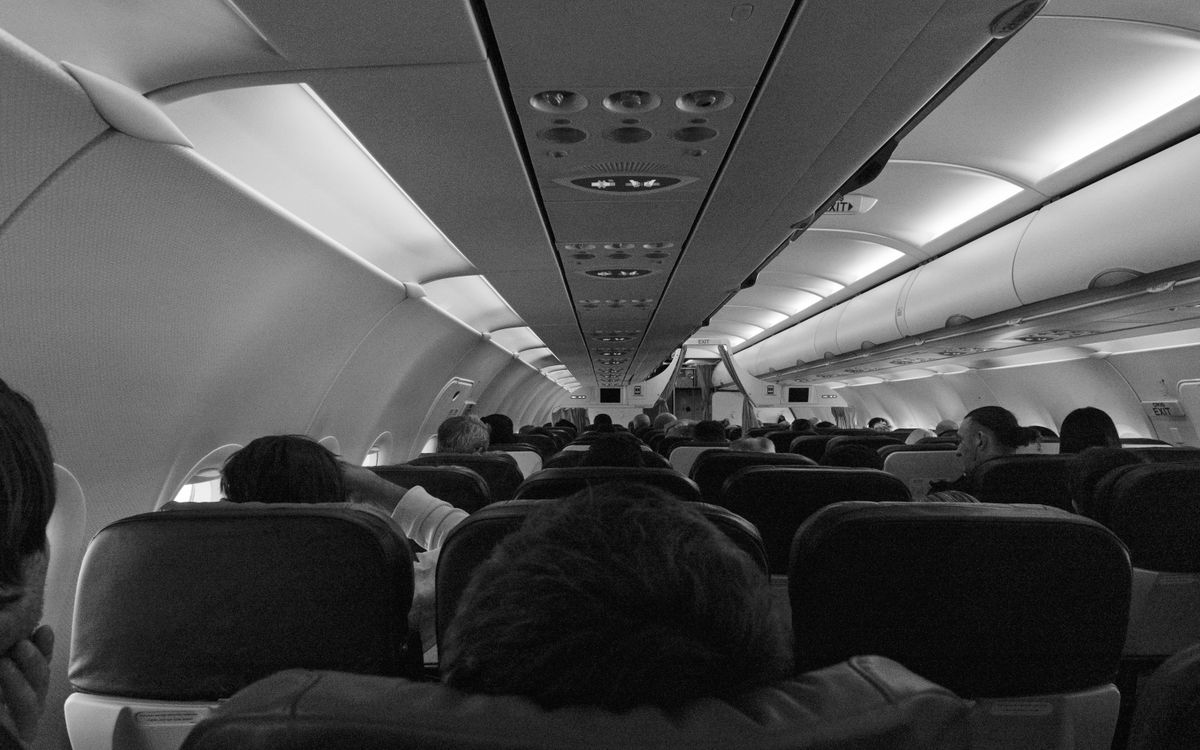
Photo by Plastic Lines on Pexels
Air travel can present several common rhinitis challenges: lower cabin humidity, recycled air, close seating, and exposure to unfamiliar scents or cleaning agents. These factors can make nasal passages feel dry or irritated, especially on longer flights. Thinking ahead about what tends to trigger your symptoms can help you plan small adjustments for the trip.
Packing a compact carry-on kit helps you respond if symptoms arise in flight. Typical items people find useful include pocket tissues, a travel-sized saline spray or other nasal moisturizers they already use, lip balm, and a refillable water bottle that can be filled after security. Keep liquids within airline limits and store essentials where you can reach them without standing frequently.
Onboard habits may influence comfort. Staying hydrated by sipping water, using saline sprays at intervals you normally find helpful, and adjusting the overhead vent to avoid direct drafts are simple, non-prescriptive measures to consider. If dry air bothers you, leaning on moisturizer strategies you routinely use can be more manageable than trying unfamiliar remedies while traveling.
Seat selection and cabin placement can also matter for some people. Choosing a seat away from galley or lavatory areas may reduce exposure to strong odors and cleaning agents, while deciding between aisle or window often depends on whether you prefer easier access or fewer passing drafts. If you notice specific triggers on certain flights, note them for future bookings.
Before travel, think through logistics that affect symptom control: layover environments, time zone changes, and access to remedies at your destination. For significant or changing symptoms, consider discussing travel plans with a healthcare provider ahead of time. These educational tips are intended to help you plan — if you have persistent or severe concerns, professional advice can guide choices tailored to you.
Daily articles
Subscribe for daily reads and jump into the latest article now.
Receive RhinitisRank articles by text message and email each day, then head straight to the article library whenever you want a deeper read.

Fresh reading
Educational reads for flare-ups, patterns, and next steps.
Related reading
More articles in this topic cluster
Continue with nearby rhinitis questions, symptom patterns, and follow-up reading.
Flying with Rhinitis: In-Flight Comfort and Planning
Prepare for flights by choosing seats, packing nasal-care items, and using simple in-flight habits that many people with rhinitis find helpful.

Flying With Rhinitis: Airport and In-Flight Comfort Tips
Travel with fewer surprises: plan seating and pack a compact comfort kit to help with dry air, crowds, and airport triggers when you have rhinitis.

Managing Rhinitis When Flying: Airport and In-Flight Tips
Small planning steps and simple in-flight habits can help reduce nasal irritation while traveling by plane. Learn practical ideas for the airport, cabin, and recovery after landing.
Archive
Back to the article hub
Browse more RhinitisRank articles and long-tail education pages.
OpenPractical tools
Move into practical resources
Open tools like the trigger diary, checklists, and visit-prep resources.
OpenQuick assessment
Take the rhinitis quiz
Turn symptoms into a clearer starting point before your next appointment.
Open