

Cooking with Rhinitis: Reducing Kitchen Irritants and Discomfort
Practical, non-prescriptive guidance for people who notice nasal irritation while preparing food. Learn common kitchen triggers and everyday adjustments that may help.
In brief
Cooking produces odors, steam, and smoke that can bother people with rhinitis. This article outlines common triggers and simple home strategies to consider.
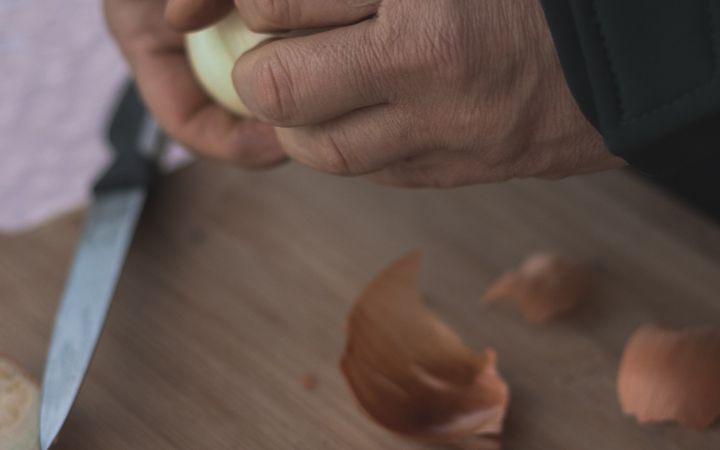
Photo by Ketut Subiyanto on Pexels
For many people with rhinitis, the kitchen can be a common source of nasal irritation. Strong odors from spices, steam from boiling, smoke from high-heat cooking, and even cleaning products can feel bothersome for some. Recognizing which sensations tend to precede symptoms is a useful first step in adapting routines.
Ventilation and air movement are often mentioned by people trying to reduce exposure to cooking odors. Opening a window, running a range hood, or using a small fan to direct steam away from the face can change how much of an odor or vapor reaches you. Different homes and kitchens respond differently, so experimenting with simple adjustments may help identify what feels better.
Changing cooking methods and timing can also influence exposure. Lower-heat methods, covered pans, or preparing strongly scented ingredients separately may limit airborne particles and smells. Batch prepping or chopping aromatic ingredients in a well-ventilated area before cooking are practical options some people try.
During or after cooking, a few immediate comfort strategies are commonly used: stepping to another room for a short break, rinsing the face with cool water, or having tissues handy. Some people report relief from over-the-counter products or nasal rinses, while others prefer non-medical approaches; discussing options with a healthcare provider can help clarify what fits your situation.
Communication and planning in shared kitchens can reduce surprises and stress. Letting household members know about specific triggers, choosing milder seasoning options when possible, and scheduling cooking at times when you’re less sensitive are examples of low-key adjustments. Small changes over time can make meal preparation more comfortable without major disruption.
Daily articles
Subscribe for daily reads and jump into the latest article now.
Receive RhinitisRank articles by text message and email each day, then head straight to the article library whenever you want a deeper read.

Fresh reading
Educational reads for flare-ups, patterns, and next steps.
Related reading
More articles in this topic cluster
Continue with nearby rhinitis questions, symptom patterns, and follow-up reading.

Cooking and Meal Prep with Rhinitis: Minimizing Kitchen Triggers
Understand how common cooking smells and steam can affect rhinitis and learn simple steps to make meal prep more comfortable without medical advice.
Cooking with Rhinitis: Reducing Kitchen Triggers for Comfort
Practical steps to reduce common kitchen triggers, adjust cooking steps, and use ventilation and timing to make meal prep more comfortable for people with rhinitis.

Gardening with Rhinitis: Planning, Plants, and Timing
Practical ideas for gardening when rhinitis is a factor — from picking plants to planning tasks and limiting compost or pollen exposure.
Archive
Back to the article hub
Browse more RhinitisRank articles and long-tail education pages.
OpenPractical tools
Move into practical resources
Open tools like the trigger diary, checklists, and visit-prep resources.
OpenQuick assessment
Take the rhinitis quiz
Turn symptoms into a clearer starting point before your next appointment.
Open