

Cooking with Rhinitis: Practical Kitchen Tips to Reduce Triggers
Simple kitchen strategies can help lower common cooking triggers for people with rhinitis. This article offers practical, non-prescriptive ideas for prep, cooking, and cleanup.
In brief
Learn practical ways to reduce airborne kitchen triggers while cooking—ventilation, ingredient choices, and cleanup tips you can adapt to your routine.
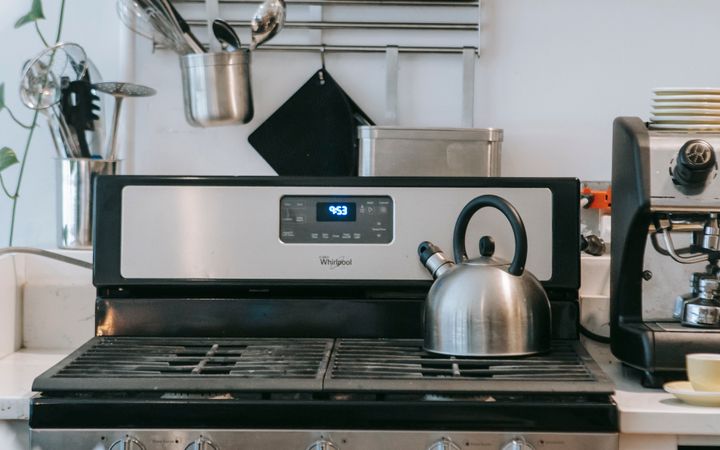
Photo by RDNE Stock project on Pexels
Cooking can produce steam, smoke, strong aromas, and fine particles that some people with rhinitis notice. Spices, frying oils, pungent vegetables, and aerosolized sprays are common sources of airborne irritants and odors in the kitchen.
Ventilation and airflow are practical first steps to consider. Running an exhaust hood or kitchen fan, using a window or box fan positioned to move air out, and keeping doors open while cooking can reduce the concentration of smells and particles; cooking at lower temperatures or choosing methods that produce less smoke (such as baking or slow-cooking) may also change how much airborne material is created.
Ingredient and prep choices can influence the intensity of cooking odors. Some people find milder spices, pre-chopped or frozen ingredients, soaking pungent vegetables briefly, or chopping under running cold water helps reduce fumes. Marinating strong-smelling foods and keeping them covered until cooking are additional ways to limit immediate odors.
Small changes to cooking technique and tools can make a difference. Using lids, splatter guards, and cookware that retains moisture can reduce aerosolized oil and steam. Avoiding aerosol cooking sprays in favor of pump sprays, brushed oil, or measured amounts of oil may limit fine mist in the air.
Cleanup and planning help limit lingering triggers. Promptly wiping grease, running the dishwasher, and wiping counters can keep smells from building up. Keeping a small personal kit (tissues, an eye shield, or saline rinse) and noting which recipes or steps seem to cause symptoms can make it easier to adapt routines or share patterns with household members or a clinician if symptoms are frequent or particularly bothersome.
Daily articles
Subscribe for daily reads and jump into the latest article now.
Receive RhinitisRank articles by text message and email each day, then head straight to the article library whenever you want a deeper read.

Fresh reading
Educational reads for flare-ups, patterns, and next steps.
Related reading
More articles in this topic cluster
Continue with nearby rhinitis questions, symptom patterns, and follow-up reading.
Cooking Without the Sneezes: Rhinitis-Friendly Kitchen Tips
Simple changes in how and what you cook can help limit kitchen smells and steam that bother some people with rhinitis. Try ventilation, ingredient choices, and timing ideas.

Managing Rhinitis Around Cooking, Spices, and Restaurants
Learn strategies to reduce rhinitis reactions to cooking fumes, spices, and restaurant aromas. Tips cover ventilation, ordering, and coping during food prep.

Preparing Your Home Renovation When You Have Rhinitis
Renovations and major cleaning can raise dust and fumes that may aggravate rhinitis. Planning, airflow, and targeted precautions can help reduce exposure.
Archive
Back to the article hub
Browse more RhinitisRank articles and long-tail education pages.
OpenPractical tools
Move into practical resources
Open tools like the trigger diary, checklists, and visit-prep resources.
OpenQuick assessment
Take the rhinitis quiz
Turn symptoms into a clearer starting point before your next appointment.
Open