

Cooking Comfortably with Rhinitis: Practical Kitchen Strategies
Small changes in how you cook and organize your kitchen can reduce common airborne irritants. These practical ideas focus on ventilation, ingredient choices, and timing to help make meals more comfortable.
In brief
Simple kitchen habits can lower exposure to steam, smoke and strong aromas that often bother people with rhinitis. Try ventilation, milder ingredients and planning for easier cooking.
Photo by Max Vakhtbovych on Pexels
The kitchen can be a source of airborne triggers for people with rhinitis. Steam, frying oil, charred food and strong spices release particles and odors that some people find irritating. Recognizing which cooking activities produce more visual or scented plumes can help you make practical adjustments.
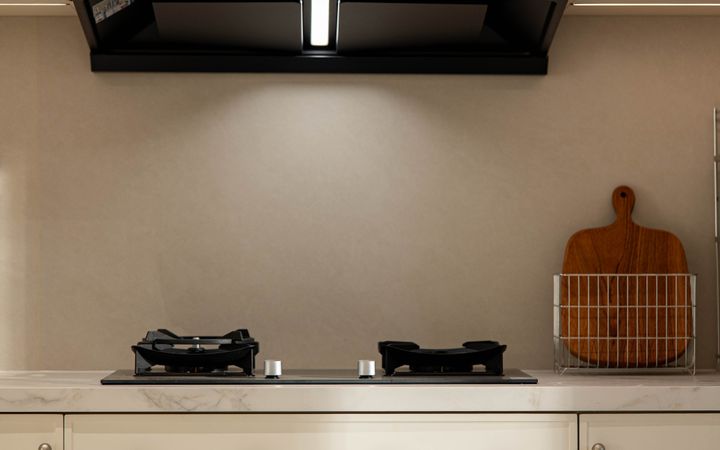
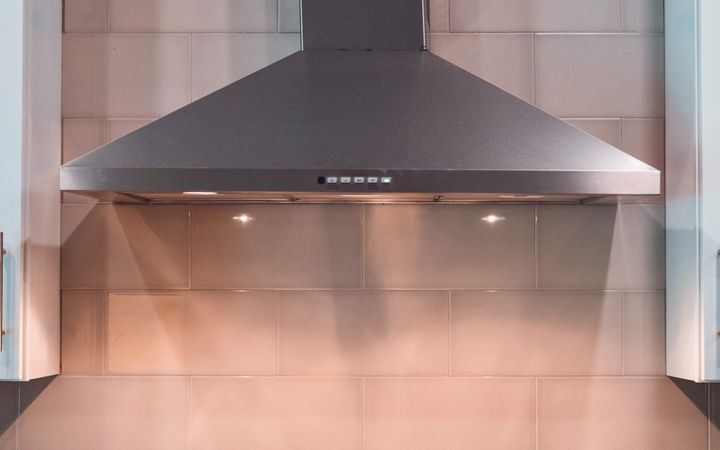
Ventilation is one of the most direct environmental factors to consider. Using an exhaust fan or range hood, turning on a nearby bathroom fan, or briefly increasing airflow with an open window can move steam and smoke away from breathing zones. Lower-temperature cooking methods, using lids, and covering pans when appropriate often reduce visible splatter and fumes.
Ingredient and preparation choices can influence airborne intensity. Some people notice stronger reactions to hot peppers, onions, garlic, or intense spice blends, while other dishes produce less airborne aroma. Prepping ingredients farther from the main cooking area, using pre-chopped items, or choosing milder seasonings are options many people explore to limit intense aromas.
Cleaning and storage habits also affect lingering irritants. Grease buildup, old oil residues and open containers of strong spices can continue to release odors after cooking. Wiping surfaces, storing pungent ingredients in sealed containers and choosing fragrance-free cleaning products for the kitchen may reduce ongoing exposure.
Planning and communication can make shared meals easier. Timing cooking for when symptoms tend to be milder, asking household members about scent sensitivities, and keeping simple meal alternatives available can help keep mealtimes comfortable. If cooking becomes challenging on a particular day, options like lighter preparations or ready-made meals can be a practical choice without changing longer-term routines.
Daily articles
Subscribe for daily reads and jump into the latest article now.
Receive RhinitisRank articles by text message and email each day, then head straight to the article library whenever you want a deeper read.

Fresh reading
Educational reads for flare-ups, patterns, and next steps.
Related reading
More articles in this topic cluster
Continue with nearby rhinitis questions, symptom patterns, and follow-up reading.
Cooking and Dining with Rhinitis: Kitchen and Meal Tips
Learn approachable kitchen and dining strategies to limit smoke, strong odors, and steam that some people with rhinitis find irritating. Small habits can make meal prep easier.
Cooking with Rhinitis: Reduce Kitchen Triggers and Discomfort
Small changes in ventilation, ingredient handling, and timing can help lower kitchen-related rhinitis triggers. These tips focus on practical adjustments rather than medical guidance.

Cooking and Kitchen Strategies for Living with Rhinitis
Small changes in ventilation, prep and timing can make cooking easier for people with rhinitis. These practical tips focus on reducing common kitchen triggers without changing your recipes.
Archive
Back to the article hub
Browse more RhinitisRank articles and long-tail education pages.
OpenPractical tools
Move into practical resources
Open tools like the trigger diary, checklists, and visit-prep resources.
OpenQuick assessment
Take the rhinitis quiz
Turn symptoms into a clearer starting point before your next appointment.
Open