

Cooking and Meal Prep with Rhinitis: Kitchen-Friendly Strategies
Cooking can expose you to steam, smoke, and strong odors that often affect people with rhinitis. This article outlines practical, non-prescriptive approaches to reduce triggers during meal prep.
In brief
Simple adjustments in the kitchen — ventilation, timing, ingredient choices, and cleaning — can lessen common rhinitis triggers during food preparation and cooking.
Photo by Max Vakhtbovych on Pexels
Cooking and meal preparation bring together steam, heat, aromas, and airborne particles — all of which can influence nasal symptoms for some people with rhinitis. Being aware of common kitchen exposures helps you make small, practical adjustments without changing how you enjoy food.
Typical kitchen triggers include boiling steam, frying smoke, strong spices or aromatics, aerosol cleaning products, and dry powders like flour or breadcrumbs. The same activity can affect different people in different ways, so noticing which smells or actions seem to be linked to your symptoms is a useful first step.
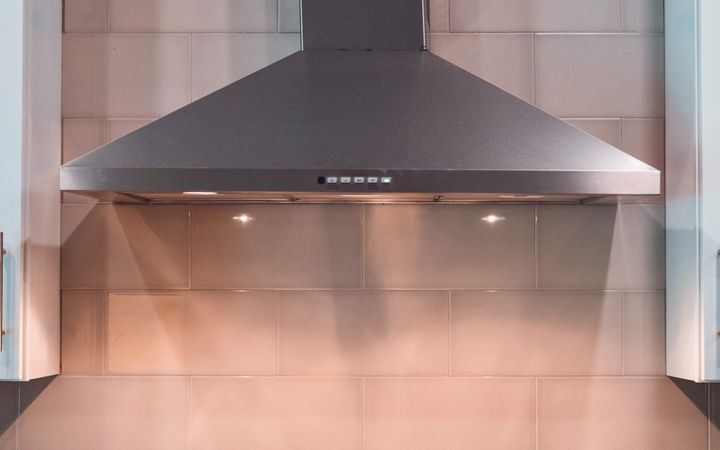
Simple ventilation strategies can reduce airborne irritants: run an exhaust fan, open a window if practical, and use a range hood while cooking. Other adjustments some people find helpful include lowering cooking temperature to reduce smoke, covering pots to limit steam, finishing high-smoke steps outdoors when possible, and preparing fragrant ingredients in smaller batches.
During prep and cleanup, consider switching to liquid or non-aerosol cleaners, wipe surfaces with a damp cloth to cut dust, and store dry ingredients in sealed containers to reduce airborne particles. Timing tasks — doing chopping or flour work when symptoms are typically milder, or breaking prep into shorter sessions — can also make the process easier to manage.
In shared kitchens or social cooking situations, brief communication with household members or hosts about ventilation and ingredient choices can help reduce unexpected triggers. Keeping a simple log of which kitchen activities coincide with symptoms may be helpful to share with a healthcare provider if you choose to discuss patterns later.
Daily articles
Subscribe for daily reads and jump into the latest article now.
Receive RhinitisRank articles by text message and email each day, then head straight to the article library whenever you want a deeper read.

Fresh reading
Educational reads for flare-ups, patterns, and next steps.
Related reading
More articles in this topic cluster
Continue with nearby rhinitis questions, symptom patterns, and follow-up reading.

Cooking with Rhinitis: Managing Steam, Spices, and Smells
Cooking can expose you to steam, smoke, and strong smells that bother nasal symptoms. This guide offers gentle, practical ideas to limit triggers during meal prep.

Cooking with Rhinitis: Cutting Kitchen Triggers and Smoke
Learn gentle strategies for recognizing kitchen triggers, managing steam and smoke, and adjusting cooking habits when you have rhinitis.
Cooking with Rhinitis: Reduce Kitchen Triggers and Discomfort
Small changes in ventilation, ingredient handling, and timing can help lower kitchen-related rhinitis triggers. These tips focus on practical adjustments rather than medical guidance.
Archive
Back to the article hub
Browse more RhinitisRank articles and long-tail education pages.
OpenPractical tools
Move into practical resources
Open tools like the trigger diary, checklists, and visit-prep resources.
OpenQuick assessment
Take the rhinitis quiz
Turn symptoms into a clearer starting point before your next appointment.
Open