

Choosing and Using Masks When You Have Rhinitis
Practical, non-prescriptive guidance on mask comfort and care for people with rhinitis. Learn options for materials, fit, and simple habits that can reduce discomfort.
In brief
Masks can affect nasal comfort in different ways. This piece explores materials, fit, cleaning, and everyday tips to make mask wear easier for people with rhinitis.
Photo by Pavel Danilyuk on Pexels
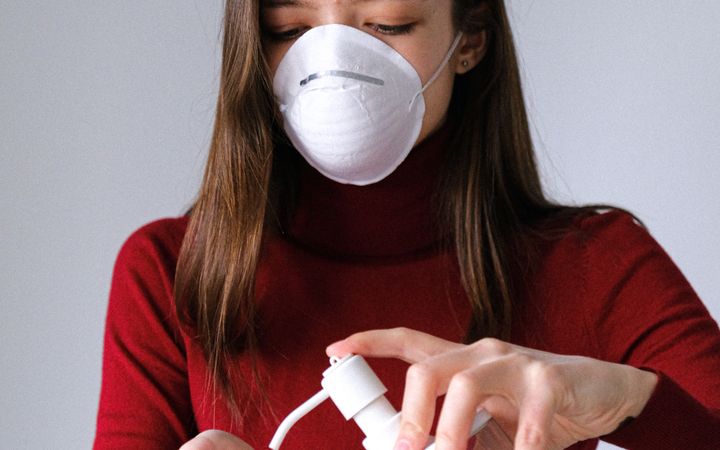
Wearing a mask can change how your nose feels: warmth, trapped moisture, or abrasion from fabric are common complaints. This article outlines general ideas about mask materials, fit, and upkeep that some people with rhinitis find helpful.
Mask materials vary in breathability and texture. Lightweight woven cotton, surgical-style disposable masks, and higher-filter respirators all feel different to the nose and face; some people prefer softer fabrics or fewer layers when they’re not in high-exposure settings, while others accept a warmer feel for higher filtration.
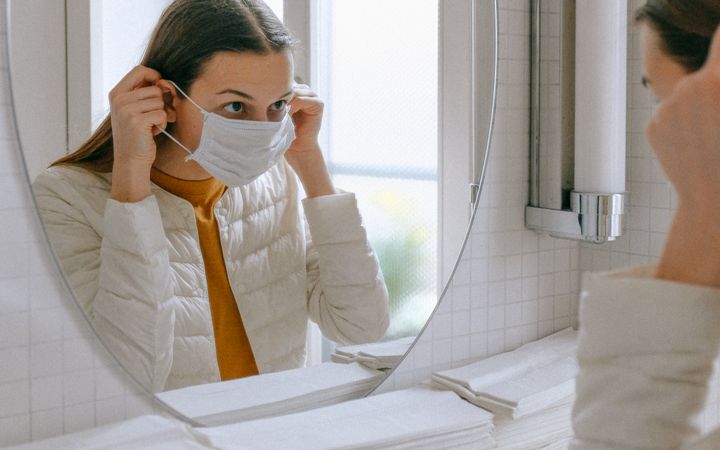
How a mask fits matters for both comfort and airflow. A mask that’s too tight may press against the nose or cause rubbing, while one that gaps can direct airflow in ways that feel irritating. Trying different shapes, nose strips, or strap styles can help you find a balance between seal and ease of breathing.
Routine care can influence symptoms. Reusable masks should be washed and fully dried according to the maker’s guidance, and disposable masks should be replaced when damp or soiled. Avoid strong-scented detergents if you notice irritation, and keep a clean spare and tissues or a handkerchief handy for sudden sneezes or runny noses.
Practical habits can reduce discomfort during longer wear: taking short, safe breaks from mask use when you’re alone and in a low-risk place; using accessories like ear-savers if straps irritate the skin; and letting others know if you need to mask differently for comfort. If you have questions about mask types or use, a trusted health professional can offer personalized guidance.
Daily articles
Subscribe for daily reads and jump into the latest article now.
Receive RhinitisRank articles by text message and email each day, then head straight to the article library whenever you want a deeper read.

Fresh reading
Educational reads for flare-ups, patterns, and next steps.
Related reading
More articles in this topic cluster
Continue with nearby rhinitis questions, symptom patterns, and follow-up reading.

Rhinitis and Mask Use: Comfort, Fit, and Tips
Masks can change how your nose feels and how comfortable you are in public. Learn general considerations on fit, materials, and common comfort issues for rhinitis.
Using Face Masks to Reduce Rhinitis Triggers
An overview of mask types, fit, care, and everyday habits that can influence airborne exposure and nasal comfort while commuting or in crowded spaces.
Mask Use and Rhinitis: Comfort, Fit, and Smell
A clear overview of mask factors that can affect rhinitis symptoms, including fit, fabrics, odors and short-term wear strategies for daily life.
Archive
Back to the article hub
Browse more RhinitisRank articles and long-tail education pages.
OpenPractical tools
Move into practical resources
Open tools like the trigger diary, checklists, and visit-prep resources.
OpenQuick assessment
Take the rhinitis quiz
Turn symptoms into a clearer starting point before your next appointment.
Open