
Rhinitis and Mask Use: Comfort, Fit, and Tips
How mask choices and small adjustments can affect comfort when you have rhinitis. Practical, non-prescriptive information to help you explore options.
In brief
Masks can change how your nose feels and how comfortable you are in public. Learn general considerations on fit, materials, and common comfort issues for rhinitis.
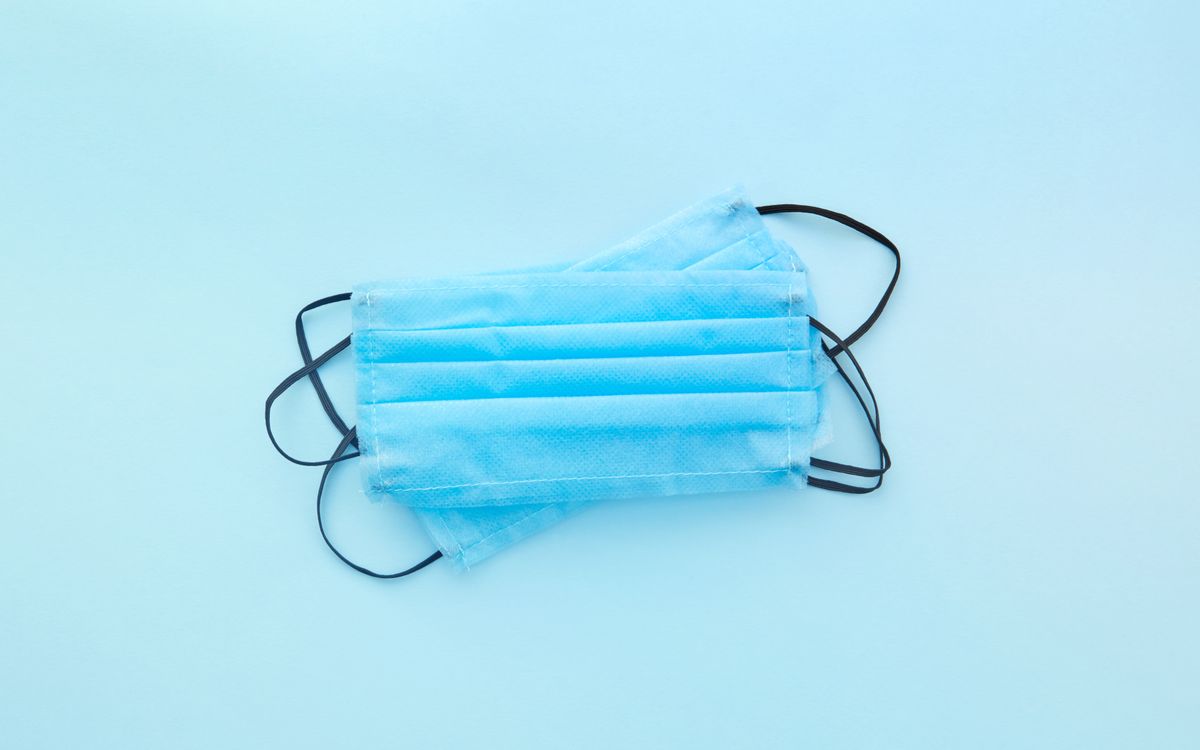
Photo by DS stories on Pexels
Wearing a face mask can change how your nose and face feel, and people with rhinitis often notice differences in breathing comfort, moisture, or skin irritation. This article offers general information about mask features and everyday strategies that people commonly find helpful, without prescribing any treatments.
Mask materials and construction vary: disposable surgical-style masks, multilayer cloth masks, and higher-filtration respirators each feel different against the face and can influence airflow and humidity inside the mask. Some people prefer softer fabrics or masks with a flexible nose bridge; others find firmer straps provide a more secure fit. Personal comfort often comes down to trying a few options and noticing which features feel least irritating.
Fit matters for comfort as well as for how the mask sits over the nose and mouth. Adjustable ear loops, ties, or masks with a shaped seam can reduce pressure on specific points and may help limit air leaks that cause glasses to fog. If straps cause ear or facial discomfort, simple accessories like strap extenders or different strap styles are commonly used to redistribute pressure.
Common issues for people with rhinitis include increased moisture inside the mask, a sensation of nasal stuffiness, or skin rubbing where the mask contacts the face. Practical steps people report as helpful include swapping to a dry mask, carrying spares, choosing softer liner materials, and taking brief breaks from mask wearing when it is safe and appropriate. These are individual choices rather than medical recommendations.
Planning ahead can make mask use easier: keep clean spare masks and tissues in a small pouch, choose masks you’ve tested for comfort, and communicate needs with colleagues or venue staff if accommodations are needed. Also follow local mask guidance and any advice from health professionals if you have specific concerns about symptom management or mask use related to your health.
Daily articles
Subscribe for daily reads and jump into the latest article now.
Receive RhinitisRank articles by text message and email each day, then head straight to the article library whenever you want a deeper read.

Fresh reading
Educational reads for flare-ups, patterns, and next steps.
Related reading
More articles in this topic cluster
Continue with nearby rhinitis questions, symptom patterns, and follow-up reading.
Using Face Masks to Reduce Rhinitis Triggers
An overview of mask types, fit, care, and everyday habits that can influence airborne exposure and nasal comfort while commuting or in crowded spaces.

Face Masks and Rhinitis: Practical Everyday Comfort Tips
Learn practical, general information about mask types, fit, and upkeep to help reduce exposure to airborne triggers and support nasal comfort in daily life.

Face Masks and Rhinitis: Comfort, Fit, and Moisture
Wearing a face mask can change how your nose feels during the day. This article outlines common experiences and practical considerations people with rhinitis may notice while using masks.
Archive
Back to the article hub
Browse more RhinitisRank articles and long-tail education pages.
OpenPractical tools
Move into practical resources
Open tools like the trigger diary, checklists, and visit-prep resources.
OpenQuick assessment
Take the rhinitis quiz
Turn symptoms into a clearer starting point before your next appointment.
Open