

Using Face Masks to Reduce Rhinitis Triggers
Face coverings can change how much airborne material you encounter. This article explains practical considerations for people with rhinitis who choose to use masks in daily life.
In brief
An overview of mask types, fit, care, and everyday habits that can influence airborne exposure and nasal comfort while commuting or in crowded spaces.
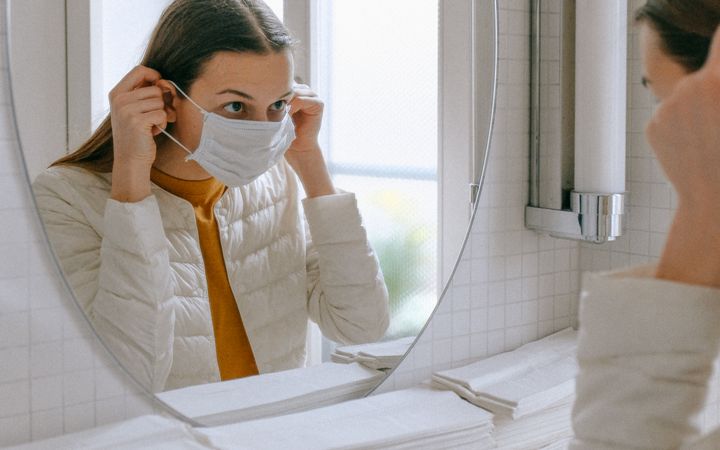
Photo by Charlotte May on Pexels
Many people with rhinitis notice that airborne particles and odors affect their nasal comfort. Wearing a face covering is one way some people aim to reduce direct exposure to airborne material in settings such as transit, crowded indoor areas, or busy streets. This article focuses on practical points to consider rather than recommending specific medical approaches.
Mask type and fit are common considerations. Cloth, surgical-style, and other face coverings differ in layers, breathability, and stiffness; fit around the nose and cheeks affects how air moves. Some people find a closer fit feels more protective but also warmer or less breathable, so balance comfort and use when choosing an option.
Care and maintenance matter for everyday comfort. Regular cleaning of reusable cloth masks, timely replacement of disposable masks, and storing spares in a clean bag can reduce accumulated moisture and odors. Damp or heavily soiled coverings may be less comfortable and some people prefer a fresh mask for long commutes or busy shifts.
Practical habits can make mask use easier while managing rhinitis. Carrying tissues, a small bottle of saline rinse, or a spare mask can help with unexpected symptoms or mask changes during the day. Paying attention to hydration, taking short breaks in low-crowd areas if safe, and choosing breathable fabrics can help maintain comfort.
In public or workplace settings, clear communication about needs can be useful. Letting a colleague or supervisor know if you need brief adjustments or a quiet area to step into for comfort can reduce stress. If questions arise about persistent symptoms or safety with specific mask types, healthcare professionals or pharmacists can provide individualized information and options.
Daily articles
Subscribe for daily reads and jump into the latest article now.
Receive RhinitisRank articles by text message and email each day, then head straight to the article library whenever you want a deeper read.

Fresh reading
Educational reads for flare-ups, patterns, and next steps.
Related reading
More articles in this topic cluster
Continue with nearby rhinitis questions, symptom patterns, and follow-up reading.
Mask Use and Rhinitis: Comfort, Fit, and Smell
A clear overview of mask factors that can affect rhinitis symptoms, including fit, fabrics, odors and short-term wear strategies for daily life.

Face Masks and Rhinitis: Practical Everyday Comfort Tips
Learn practical, general information about mask types, fit, and upkeep to help reduce exposure to airborne triggers and support nasal comfort in daily life.

Face Masks and Rhinitis: Comfort, Fit, and Moisture
Wearing a face mask can change how your nose feels during the day. This article outlines common experiences and practical considerations people with rhinitis may notice while using masks.
Archive
Back to the article hub
Browse more RhinitisRank articles and long-tail education pages.
OpenPractical tools
Move into practical resources
Open tools like the trigger diary, checklists, and visit-prep resources.
OpenQuick assessment
Take the rhinitis quiz
Turn symptoms into a clearer starting point before your next appointment.
Open