

What to Bring to a Rhinitis Medical Appointment
A straightforward checklist can make a rhinitis visit more efficient and less stressful. Small preparations help you share clear information and get the most from the appointment.
In brief
Organizing symptom notes, current medications, and questions ahead of a rhinitis visit can help the conversation go more smoothly. Here’s a simple checklist to consider.
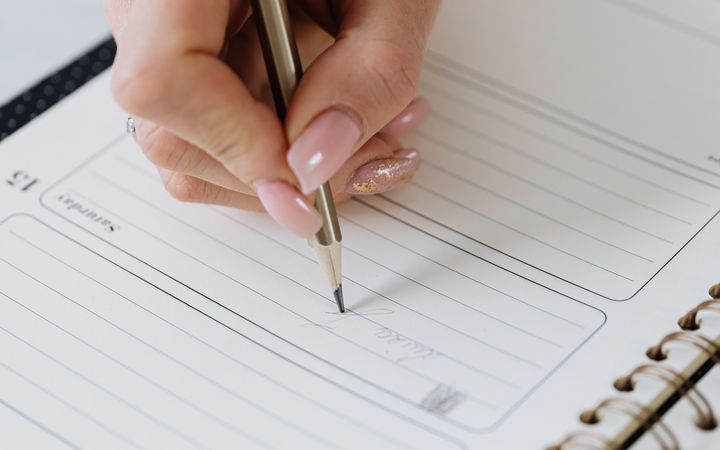
Photo by www.kaboompics.com on Pexels
Getting ready for a medical visit when you have rhinitis often means gathering a few key items and thinking through recent patterns. A little organization can help you describe symptoms clearly and make it easier for the clinician or care team to follow the story of what’s been happening.
Make a short timeline of symptoms and triggers: note when they started, how often they occur, what seems to make them better or worse, and any seasonal or situational patterns you’ve noticed. Bring a complete list of medicines and products you use for rhinitis (prescription and over-the-counter), including doses and how often you take them; many people find a photo of the labels or a filled pillbox helpful.
If you track symptoms in a diary or app, bring that record or a summary page you can share. Copies of recent test results, imaging, or previous specialist reports can also be useful if they’re available; you might carry paper copies, electronic files, or permission to access those records.
Prepare a short list of questions or goals for the visit — for example, what you hope to understand, what activities are most affected, or what follow-up you might expect. Consider asking about next steps, how to monitor changes, and any practical points about using or changing products, using language like “I’m curious about…” or “Can you help me understand…”.
On the day of the visit, bring photo ID and any insurance or clinic cards you need, and allow a little extra time for check-in. If it helps, bring a friend or family member to take notes or support you during the conversation; clear, concise preparation can make the appointment more productive for everyone involved.
Daily articles
Subscribe for daily reads and jump into the latest article now.
Receive RhinitisRank articles by text message and email each day, then head straight to the article library whenever you want a deeper read.

Fresh reading
Educational reads for flare-ups, patterns, and next steps.
Related reading
More articles in this topic cluster
Continue with nearby rhinitis questions, symptom patterns, and follow-up reading.

How to Prepare for a Rhinitis Specialist Visit
A short checklist for organizing symptoms, medications, and questions before a rhinitis appointment to help visits flow more smoothly.
Preparing for a Rhinitis Appointment: What to Bring
A few simple notes and items can help your clinician understand your rhinitis patterns. Use this practical checklist to organize symptoms, meds, and questions.

Preparing for a Healthcare Visit About Rhinitis: A Checklist
A short checklist to help you gather notes and questions before a rhinitis clinic visit. Focus on clear descriptions of symptoms, triggers, and daily impact.
Archive
Back to the article hub
Browse more RhinitisRank articles and long-tail education pages.
OpenPractical tools
Move into practical resources
Open tools like the trigger diary, checklists, and visit-prep resources.
OpenQuick assessment
Take the rhinitis quiz
Turn symptoms into a clearer starting point before your next appointment.
Open