

Preparing for ENT and Allergy Visits with Rhinitis
A little planning can make specialist visits about rhinitis more focused and useful. Clear notes, a medication list, and examples of triggers help you and the provider make the most of the appointment.
In brief
Bring a concise symptom diary, medication details, and a list of priorities to help guide ENT or allergy visits about rhinitis. Small preparations often improve communication.
Photo by RDNE Stock project on Pexels
Seeing an ENT specialist or allergy clinician about rhinitis can feel more manageable with a few focused notes. Preparing a short summary of your main symptoms, how long they’ve been present, and how they affect daily life can help keep the visit efficient and clear.
A simple symptom diary is often useful. Note when symptoms occur (time of day, with activities, or in certain places), what they feel like, and any obvious triggers or things that seem to improve or worsen them. Concrete examples and recent dates make descriptions easier to follow in the appointment.
Gather medication and product information before you go. List prescription and over-the-counter products, doses, how often you use them, and how long you’ve been using each one. Bringing packaging photos or the actual items can clarify what has been tried and reduce confusion about names and strengths.
Consider practical items to bring: identification and insurance cards, referral letters or past test reports if available, and contact details for your primary clinician. If helpful, bring a family member or friend for support or to help remember information; otherwise plan to take notes or ask whether you can record the visit.
Before the appointment, write down the top two or three concerns you want addressed so they are covered early. It can also help to prepare questions about next steps and follow-up communication preferences. During the visit, try to describe patterns and impacts rather than searching for a label—this helps the clinician understand your experience.
After the visit, summarize key points and any agreed next steps while they are fresh in your mind; this can guide any follow-up conversations. If you have questions later, note them and use the clinic’s recommended contact method to ask for clarification.
Daily articles
Subscribe for daily reads and jump into the latest article now.
Receive RhinitisRank articles by text message and email each day, then head straight to the article library whenever you want a deeper read.

Fresh reading
Educational reads for flare-ups, patterns, and next steps.
Related reading
More articles in this topic cluster
Continue with nearby rhinitis questions, symptom patterns, and follow-up reading.

Preparing for an ENT Visit When You Have Rhinitis
A practical checklist to help you collect notes, bring relevant items, and shape useful questions for an ENT visit about rhinitis.
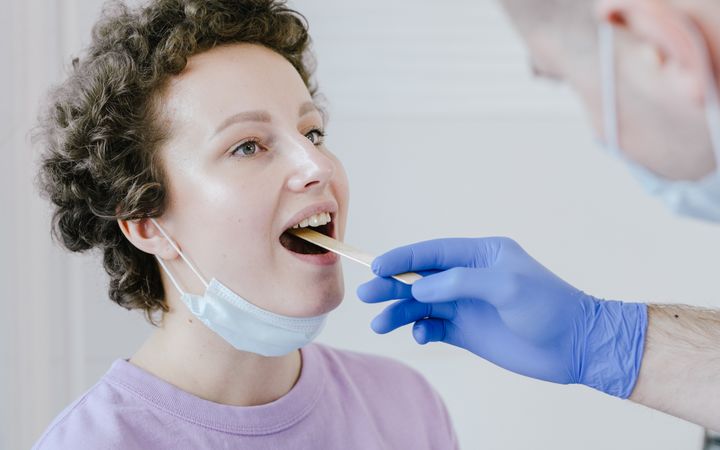
Preparing for a Rhinitis Visit: Notes and Questions
Simple steps to plan a rhinitis visit: what to bring, how to summarize symptoms, and useful question prompts to help the conversation with your clinician.
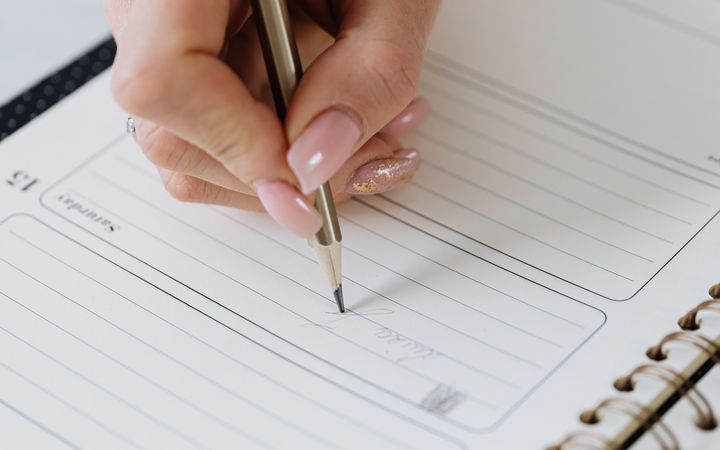
Preparing for a Rhinitis Appointment: What to Bring
A few simple notes and items can help your clinician understand your rhinitis patterns. Use this practical checklist to organize symptoms, meds, and questions.
Archive
Back to the article hub
Browse more RhinitisRank articles and long-tail education pages.
OpenPractical tools
Move into practical resources
Open tools like the trigger diary, checklists, and visit-prep resources.
OpenQuick assessment
Take the rhinitis quiz
Turn symptoms into a clearer starting point before your next appointment.
Open