

Track Your Rhinitis: Simple Logs, Apps, and Patterns
A practical guide to keeping a brief rhinitis record so you can spot patterns and potential triggers over time. Simple methods fit into busy days.
In brief
Keeping a short symptom log or using an app can reveal repeating rhinitis patterns. This article outlines what to note and how to use the information.
Photo by Edward Jenner on Pexels
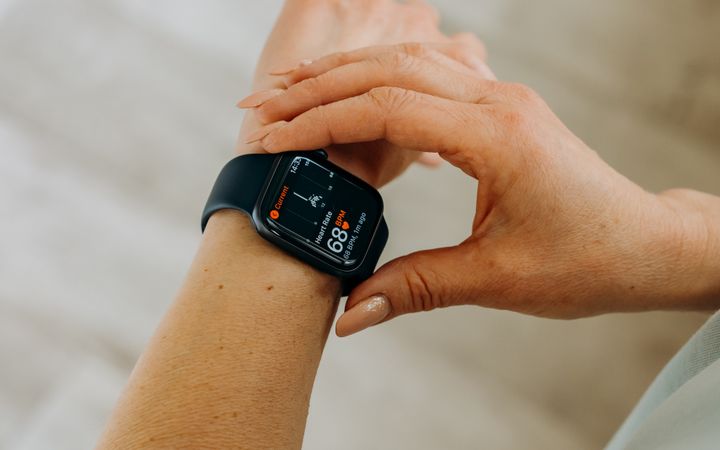
Many people with rhinitis find it useful to track symptoms over days or weeks to better understand when symptoms come and go. A short, consistent record can make it easier to notice repeating patterns without taking up much time. Tracking isn’t a diagnosis; it’s a way to organize observations for your own awareness or for discussions with a clinician.
Deciding what to record can be simple: date and time, main symptoms (such as congestion or sneezing), apparent triggers (like smoke, perfume, or pets), and any relief measures used. Some people also note sleep quality, weather or indoor conditions, and foods eaten. Keeping entries brief—single words, numbers, or quick checkboxes—helps maintain the habit.
There are several tracking options: paper notes or index cards, a spreadsheet, or a dedicated mobile app that supports symptom logging and charts. Apps often allow reminders, exportable reports, and simple visual summaries; paper logs can be flexible and private. Consider the privacy settings and data sharing options if you use an app.
After a few weeks, look for repeatable patterns such as times of day, locations, or activities that coincide with symptoms. Be cautious about interpreting single events — a pattern is more reliable when it repeats. Notes can be used to inform conversations with a healthcare provider or to guide small lifestyle adjustments if desired.
Practical habits that make tracking easier include setting a consistent time for entries, using scales or emojis for quick severity marks, and syncing notes with a calendar if that helps. The goal is useful, manageable information that fits your routine rather than a detailed diary you won’t keep. If sharing records with a clinician, bringing a concise summary often works better than lengthy raw logs.
Daily articles
Subscribe for daily reads and jump into the latest article now.
Receive RhinitisRank articles by text message and email each day, then head straight to the article library whenever you want a deeper read.

Fresh reading
Educational reads for flare-ups, patterns, and next steps.
Related reading
More articles in this topic cluster
Continue with nearby rhinitis questions, symptom patterns, and follow-up reading.

Keeping a Simple Rhinitis Symptom Tracker
A short, regular log can help you notice triggers and symptom patterns. Try different formats to find one that fits your routine.
Noticing Rhinitis Rhythms: Daily, Weekly, Monthly Patterns
Many people find rhinitis follows a daily or monthly rhythm. A few simple notes over a week or month can reveal useful patterns for everyday planning.

How Stress and Emotions Can Shape Rhinitis Experiences
Many people notice rhinitis symptoms change during times of stress or strong emotion. This piece outlines common patterns people report and gentle, non-medical ways to observe and respond to those links.
Archive
Back to the article hub
Browse more RhinitisRank articles and long-tail education pages.
OpenPractical tools
Move into practical resources
Open tools like the trigger diary, checklists, and visit-prep resources.
OpenQuick assessment
Take the rhinitis quiz
Turn symptoms into a clearer starting point before your next appointment.
Open