
Noticing Rhinitis Rhythms: Daily, Weekly, Monthly Patterns
Rhinitis symptoms can ebb and flow on a predictable schedule for some people. Learning to spot timing patterns helps with planning and conversations with a provider.
In brief
Many people find rhinitis follows a daily or monthly rhythm. A few simple notes over a week or month can reveal useful patterns for everyday planning.
Some people with rhinitis notice that symptoms come and go on a predictable schedule. These timing patterns can be tied to habits, environments, or biological cycles, and noticing them is a way to better understand how symptoms affect daily life.
Common rhythms people report include time-of-day patterns (worse in the morning or evening), differences between weekdays and weekends, flares that line up with specific chores or locations, and changes across the monthly cycle. Not everyone has clear patterns, but when they do appear they can offer clues about possible influences.
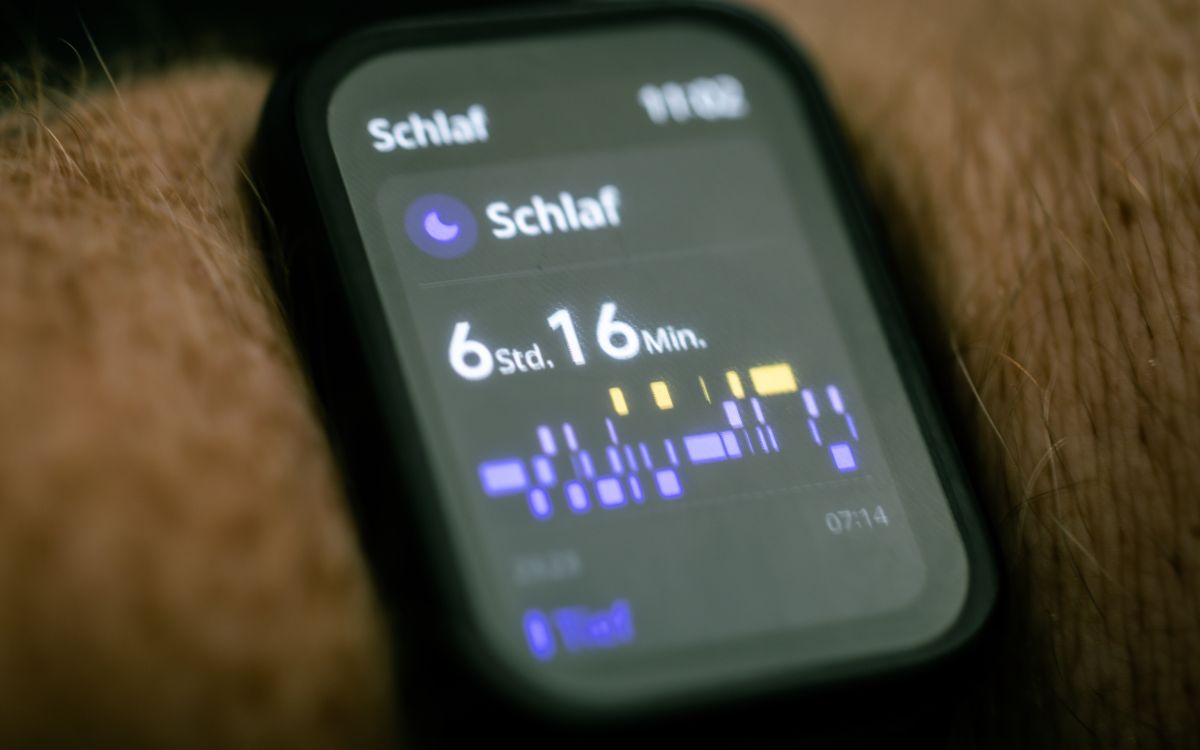
A simple, consistent log makes patterns easier to spot. Note the date and time, a brief activity or location (for example, commute, office, cleaning), symptom intensity on a short scale, and any notable exposures (strong smells, dust, pollen, or smoke). Keep entries concise so the habit stays manageable.
Once a pattern becomes visible, people often use that information for everyday planning: choosing when to run errands, when to schedule meetings or exercise, and when to carry tissues or preferred comforts. These are practical adjustments rather than treatments and can reduce unexpected discomfort during the day.
If a timing pattern is frequent, severe, or changing, consider bringing your log to a visit with a clinician. Sharing specific examples of when symptoms appear and what surrounds them can make visits more efficient and help guide follow-up conversations about next steps.
Daily articles
Subscribe for daily reads and jump into the latest article now.
Receive RhinitisRank articles by text message and email each day, then head straight to the article library whenever you want a deeper read.

Fresh reading
Educational reads for flare-ups, patterns, and next steps.
Related reading
More articles in this topic cluster
Continue with nearby rhinitis questions, symptom patterns, and follow-up reading.

Keeping a Simple Rhinitis Symptom Tracker
A short, regular log can help you notice triggers and symptom patterns. Try different formats to find one that fits your routine.

Track Your Rhinitis: Simple Logs, Apps, and Patterns
Keeping a short symptom log or using an app can reveal repeating rhinitis patterns. This article outlines what to note and how to use the information.

How Stress and Emotions Can Shape Rhinitis Experiences
Many people notice rhinitis symptoms change during times of stress or strong emotion. This piece outlines common patterns people report and gentle, non-medical ways to observe and respond to those links.
Archive
Back to the article hub
Browse more RhinitisRank articles and long-tail education pages.
OpenPractical tools
Move into practical resources
Open tools like the trigger diary, checklists, and visit-prep resources.
OpenQuick assessment
Take the rhinitis quiz
Turn symptoms into a clearer starting point before your next appointment.
Open