
Gardening with Rhinitis: Planning, Timing, and Tool Tips
Small changes in how and when you garden can reduce exposure to triggers and help you enjoy outdoor time. This article reviews general, non-prescriptive strategies for planning tasks and choosing tools.
In brief
Practical ideas for timing, protective gear, plant choices, and cleanup to lower rhinitis triggers while gardening. Focuses on general strategies rather than medical advice.
Photo by https://kaboompics.com/ on Pexels
Gardening can be rewarding but it also brings exposures—pollen, soil dust, and airborne plant debris—that some people with rhinitis notice. A few planning steps and small adjustments may help reduce contact with common outdoor irritants while you tend plants.
Consider how timing and task selection affect exposure. Watering or gentle misting before digging can reduce airborne dust, and some gardeners find that doing dusty or pollen-heavy tasks at different times of day or after rain changes how much aerosolized material is present. Choosing shorter, focused sessions with breaks may be easier to manage than long stretches of continuous work.
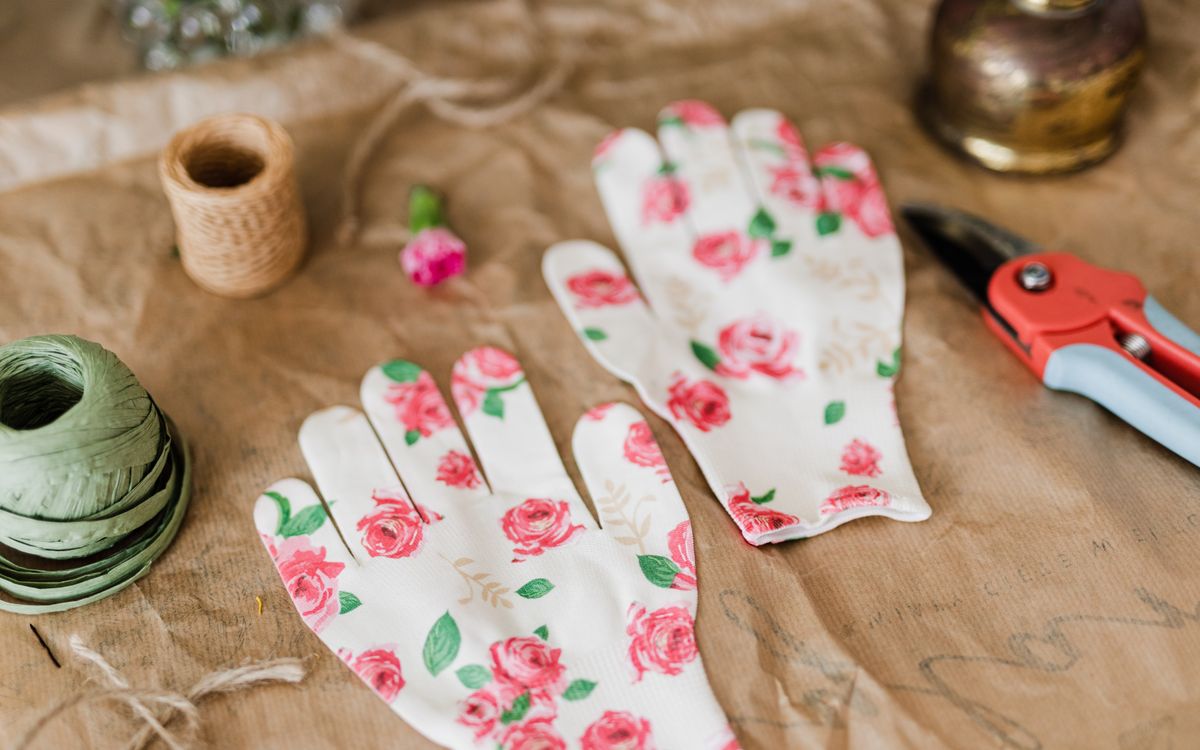
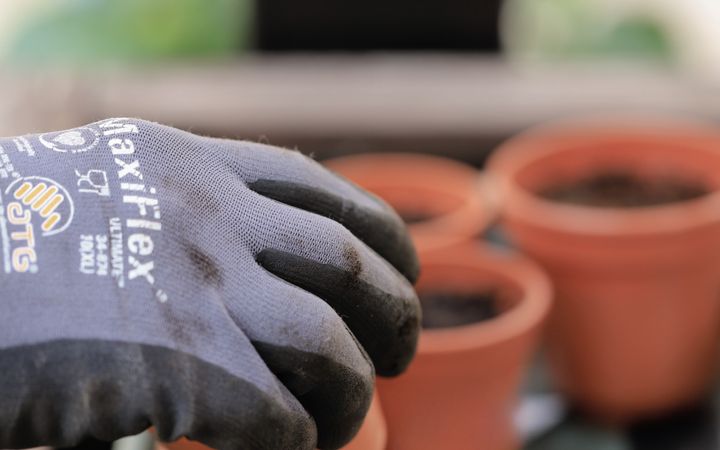
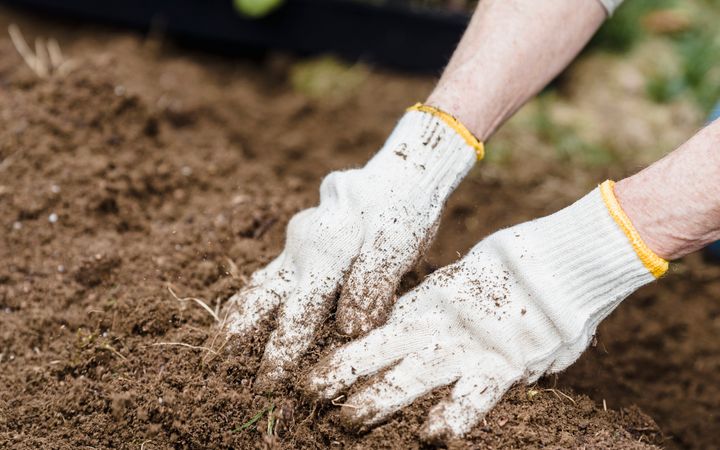
Protective gear and clothing choices are practical ways to limit contact. Garden gloves, long sleeves, and wraparound sunglasses or safety glasses can reduce skin and eye exposure; some people use lightweight face coverings during dusty tasks. Cleaning tools and dampening surfaces before sweeping or moving soil may lower the amount of airborne material stirred up.
Plant selection and gardening methods can also matter for exposure. Containers, raised beds, or workbenches may keep soil disturbance lower than turning large garden beds, and choosing lower-pollen plant varieties can be an option for home planting areas. When handling compost or dry mulch, taking steps to avoid creating dust clouds can make tasks more comfortable.
After gardening, simple cleanup routines may help reduce lingering irritants: removing outer layers of clothing, washing hands and face, and laundering work clothes are common approaches. Some people also rinse eyes or use saline nasal rinses or sprays as part of their aftercare; if you’re considering products or medications, discussing options with a healthcare professional is recommended.
Keeping a brief log of which gardening tasks seem to affect your symptoms and how you respond to different strategies can help you refine what works best. These are general ideas to consider; if rhinitis symptoms are persistent or troubling, a conversation with a healthcare provider can help you explore personalized options.
Daily articles
Subscribe for daily reads and jump into the latest article now.
Receive RhinitisRank articles by text message and email each day, then head straight to the article library whenever you want a deeper read.

Fresh reading
Educational reads for flare-ups, patterns, and next steps.
Related reading
More articles in this topic cluster
Continue with nearby rhinitis questions, symptom patterns, and follow-up reading.
Gardening with Rhinitis: Practical Steps for Outdoor Work
Simple, cautious tips to help people with rhinitis plan and enjoy gardening. Learn ways to lower exposure, choose plants, and handle post-gardening care.
Gardening with Rhinitis: Practical Yard and Plant Tips
Plan timing, adapt tasks, and pick protective options to limit exposure while gardening. Small changes can make outdoor projects more comfortable for people with rhinitis.
Gardening with Rhinitis: Planning, Plants, and Timing
Practical ideas for gardening when rhinitis is a factor — from picking plants to planning tasks and limiting compost or pollen exposure.
Archive
Back to the article hub
Browse more RhinitisRank articles and long-tail education pages.
OpenPractical tools
Move into practical resources
Open tools like the trigger diary, checklists, and visit-prep resources.
OpenQuick assessment
Take the rhinitis quiz
Turn symptoms into a clearer starting point before your next appointment.
Open