

Preparing for Dental and Oral Care Visits with Rhinitis
Practical, non-prescriptive guidance to help people with rhinitis plan for dental appointments and communicate needs to the dental team.
In brief
Tips to help people with rhinitis feel more comfortable at dental visits, from pre-appointment planning to talking with your dental team during care.
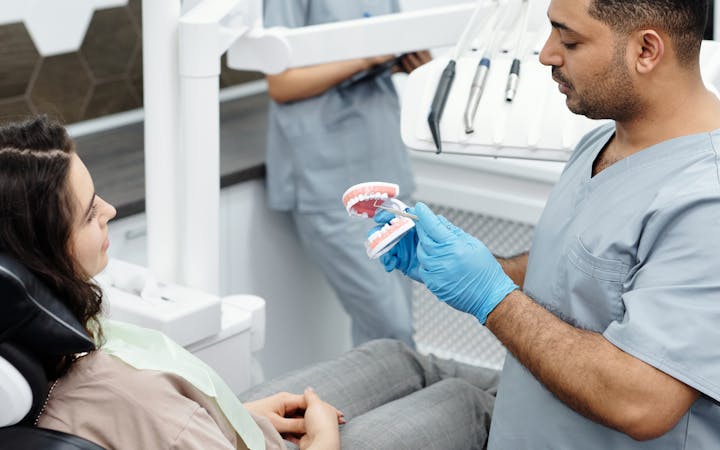
Photo by Anna Shvets on Pexels
Rhinitis symptoms such as nasal congestion, sneezing, or a runny nose can affect comfort during dental and oral care visits. Planning ahead and communicating with the dental team may help reduce surprises and make the visit smoother.
Before your appointment, consider contacting the dental office to share relevant information about current symptoms, known triggers, or anything that makes you uncomfortable. Some people find it helpful to book at times when symptoms tend to be milder, ask about clinic ventilation or scent policies, and bring comfort items like tissues, a small bottle of water, or a nasal spray they normally use.
During the visit, particular steps—reclining, mouth-breathing, or exposure to strong-smelling materials—can feel different when rhinitis is active. It can be useful to let the clinician know if you need brief pauses, a change in chair angle, or clearer explanations of what will happen next so you can plan breathing and comfort strategies.
After procedures, sensations such as dry mouth or increased mouth-breathing may be more noticeable for some people with rhinitis. Following the dental team's post-care instructions and mentioning any persistent or unusual symptoms at your follow-up can help the dental and medical teams coordinate support if needed.
Sharing practical details with your dental provider—onset and pattern of nasal symptoms, specific triggers, and which over-the-counter or prescribed remedies you use—can support clearer planning for appointments. If you have concerns about how rhinitis interacts with dental care, consider discussing them with both your dental clinician and your healthcare provider before the appointment.
Daily articles
Subscribe for daily reads and jump into the latest article now.
Receive RhinitisRank articles by text message and email each day, then head straight to the article library whenever you want a deeper read.

Fresh reading
Educational reads for flare-ups, patterns, and next steps.
Related reading
More articles in this topic cluster
Continue with nearby rhinitis questions, symptom patterns, and follow-up reading.

Going to the Dentist with Rhinitis: Comfort Steps
Prepare for dental visits with simple comfort strategies and communication tips to reduce discomfort from nasal symptoms during exams and procedures.

Preparing for Medical Appointments When You Have Rhinitis
A short guide to collecting symptom notes, medication lists, and practical items to bring to medical appointments when you have rhinitis.
Going to the Dentist with Rhinitis: Practical Preparation Tips
Dental visits can bring together several factors that affect nasal comfort. This article outlines ways to plan and communicate to help reduce potential triggers during oral care appointments.
Archive
Back to the article hub
Browse more RhinitisRank articles and long-tail education pages.
OpenPractical tools
Move into practical resources
Open tools like the trigger diary, checklists, and visit-prep resources.
OpenQuick assessment
Take the rhinitis quiz
Turn symptoms into a clearer starting point before your next appointment.
Open