
Going to the Dentist with Rhinitis: Comfort Steps
Practical ideas to help you plan and stay comfortable during dental and oral care visits when you have rhinitis.
In brief
Prepare for dental visits with simple comfort strategies and communication tips to reduce discomfort from nasal symptoms during exams and procedures.
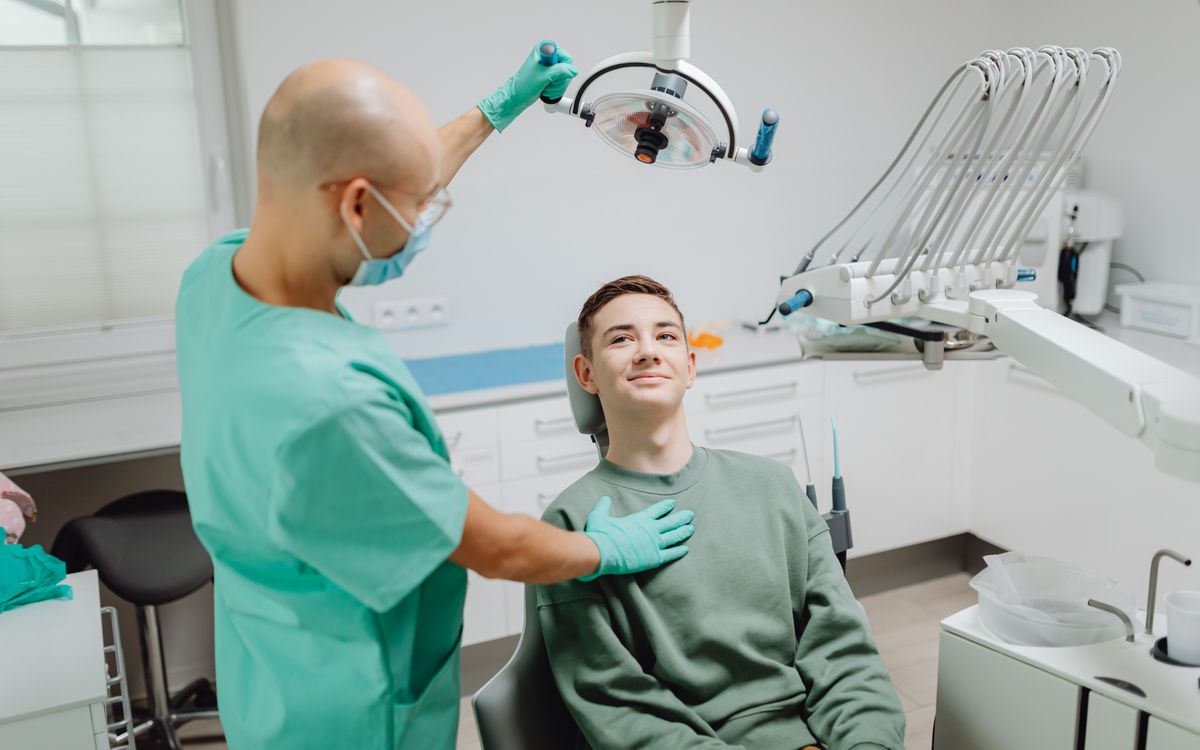
Photo by www.kaboompics.com on Pexels
Dental visits can feel different when nasal congestion, sneezing, or clear drainage are part of your routine. This article outlines non-prescriptive ways to prepare, talk with your dental team, and make the appointment more comfortable based on common experiences.
Before your visit, think about timing and what helps you feel comfortable. Some people prefer scheduling at times of day when their symptoms are usually milder, and others bring a small kit with tissues, a bottle of water, or any over-the-counter products they already use for symptom relief. If you use regular nasal care products, you might plan how to use them before arriving or bring them along to discuss with staff.
Clear communication with the dentist and hygienist can help the team anticipate needs. Letting staff know you have rhinitis — especially if you expect sneezing or watery eyes — allows them to offer short breaks, adjust head position, or plan treatments with symptom management in mind. You can also ask about legible signals for pauses or repositioning during sensitive parts of the visit.
In the chair, small practical steps may increase comfort without changing your care plan. Wearing a light mask to the clinic and removing it only when asked, using extra tissues, or rinsing your mouth with water if nasal drainage affects taste are common, non-prescriptive approaches people mention. If a particular position or instrument causes irritation, mentioning that to your provider can lead to simple adjustments.
After the appointment, note any patterns that affected your comfort and consider sharing them at future visits. Keeping a short list of helpful strategies or preferred timing can make follow-up appointments smoother. If you have concerns about how rhinitis might interact with a planned procedure, bringing that up with your dental provider ahead of time can help with planning and reduce stress on the day of care.
Daily articles
Subscribe for daily reads and jump into the latest article now.
Receive RhinitisRank articles by text message and email each day, then head straight to the article library whenever you want a deeper read.

Fresh reading
Educational reads for flare-ups, patterns, and next steps.
Related reading
More articles in this topic cluster
Continue with nearby rhinitis questions, symptom patterns, and follow-up reading.

Preparing for a Rhinitis Clinic Visit: What to Bring
Plan what to bring, what to track, and which questions to ask so you can describe nasal symptoms clearly during a clinic visit. Simple prep may help the visit run more smoothly.

Preparing for Dental and Oral Care Visits with Rhinitis
Tips to help people with rhinitis feel more comfortable at dental visits, from pre-appointment planning to talking with your dental team during care.
Going to the Dentist with Rhinitis: Practical Preparation Tips
Dental visits can bring together several factors that affect nasal comfort. This article outlines ways to plan and communicate to help reduce potential triggers during oral care appointments.
Archive
Back to the article hub
Browse more RhinitisRank articles and long-tail education pages.
OpenPractical tools
Move into practical resources
Open tools like the trigger diary, checklists, and visit-prep resources.
OpenQuick assessment
Take the rhinitis quiz
Turn symptoms into a clearer starting point before your next appointment.
Open