

Personal Care and Rhinitis: Shower, Skincare, Makeup Tips
Small adjustments in grooming routines can affect nasal comfort for people with rhinitis. This article offers practical, non-prescriptive ideas for showers, skincare, and makeup.
In brief
Gentle product choices, timing, and ventilation can help reduce nasal irritation during personal care. Try simple routine tweaks to improve comfort while grooming.
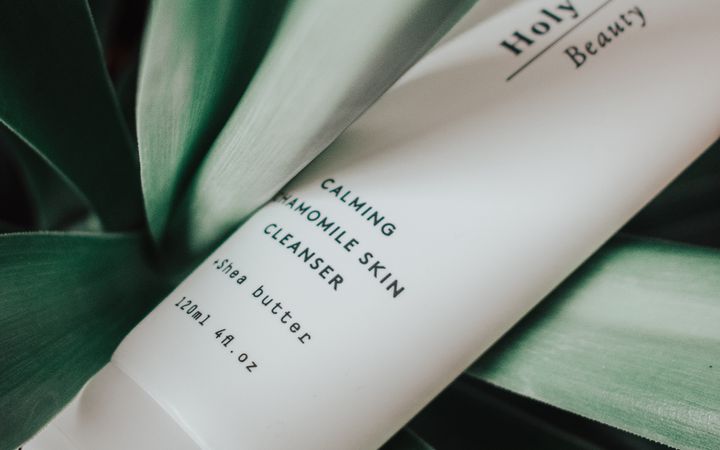
Photo by Nathan J Hilton on Pexels
Daily grooming—showers, lotions, and cosmetics—can introduce fragrances, strong vapors, and physical friction that some people with rhinitis notice. Paying attention to product scent, texture, and how you apply them can help reduce moments of irritation without changing your overall routine.
Warm showers create steam and humidity that affect the airway environment for some individuals. Using moderate water temperature, turning on a bathroom fan or opening a window for ventilation, and avoiding heavily fragranced shower gels are simple, non-prescriptive adjustments to consider.
When choosing skincare, fragrance-free and minimally formulated products are often less likely to introduce strong scents or unnecessary ingredients near the nose. Patch-testing a new product on the jawline or wrist and applying new items outside the immediate nasal area at first are gentle ways to see how your skin and comfort respond.
Makeup and application technique can matter too. Tapping rather than rubbing near the nostrils, using clean brushes or sponges, and keeping blotting papers or tissues handy may reduce the need to touch the nose; some people also prefer cream or long-wear formulas while others opt for lighter finishes, depending on personal comfort.
Practical planning helps: doing steps in an order that feels best for you, limiting strong-scent sprays near the face, and changing towels or pillowcases regularly are small habits some people find useful. If you notice significant changes in symptoms connected to personal care, consider discussing routine details with a clinician or skincare professional for tailored guidance.
Daily articles
Subscribe for daily reads and jump into the latest article now.
Receive RhinitisRank articles by text message and email each day, then head straight to the article library whenever you want a deeper read.

Fresh reading
Educational reads for flare-ups, patterns, and next steps.
Related reading
More articles in this topic cluster
Continue with nearby rhinitis questions, symptom patterns, and follow-up reading.

Applying Makeup With Rhinitis: Practical Skin and Routine Tips
Explore low‑irritant product choices, application habits, and cleaning steps that people with rhinitis commonly use to keep routines comfortable and manageable.
Choosing Makeup and Skincare to Reduce Rhinitis Irritation
Select fragrance-free products, adjust how you apply cosmetics, and prepare simple on-the-go options to make daily grooming more comfortable for people with rhinitis.

Visiting Hair Salons and Barbers with Rhinitis
Salon and barber appointments can expose you to sprays, fragrances, and airborne particles. Learn straightforward strategies to help manage comfort before, during, and after a cut or style.
Archive
Back to the article hub
Browse more RhinitisRank articles and long-tail education pages.
OpenPractical tools
Move into practical resources
Open tools like the trigger diary, checklists, and visit-prep resources.
OpenQuick assessment
Take the rhinitis quiz
Turn symptoms into a clearer starting point before your next appointment.
Open