
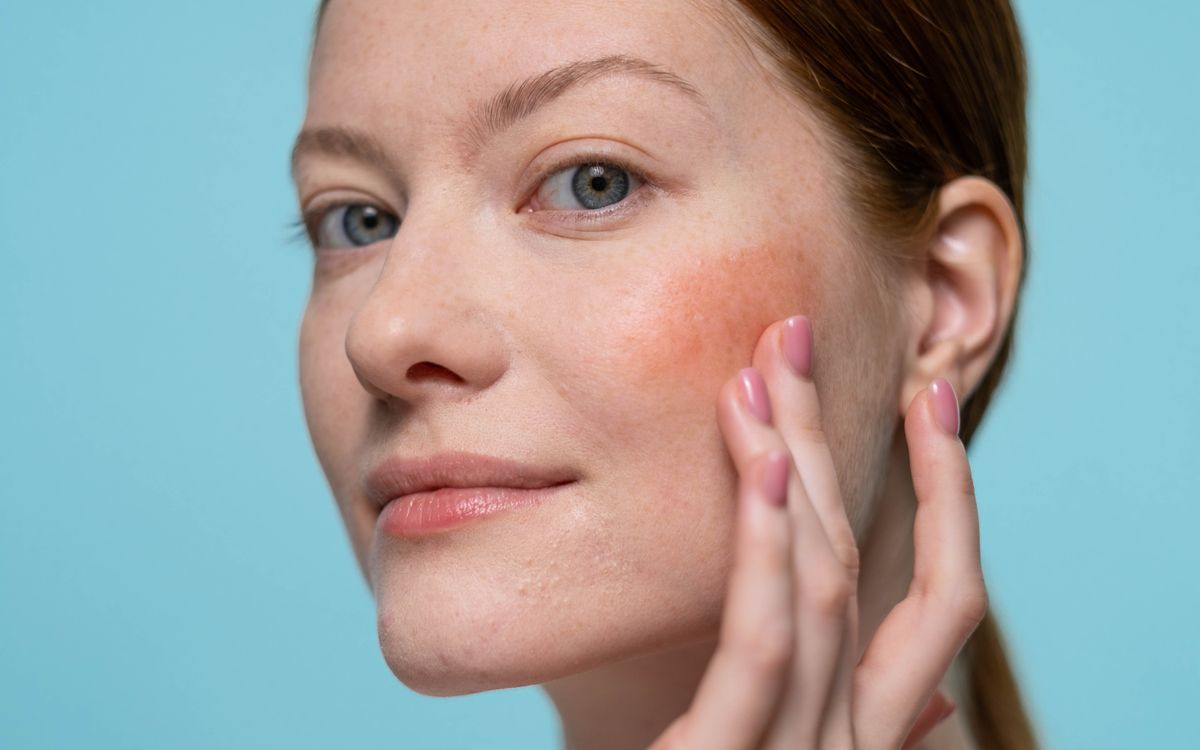
Applying Makeup With Rhinitis: Practical Skin and Routine Tips
Simple product and routine adjustments can help reduce facial irritation and nasal discomfort linked to rhinitis. This article offers gentle, non-prescriptive ideas for makeup lovers and skincare users.
In brief
Explore low‑irritant product choices, application habits, and cleaning steps that people with rhinitis commonly use to keep routines comfortable and manageable.
Many people with rhinitis notice that certain cosmetics or application habits can make facial sensations or nasal symptoms feel worse. Fragrance, strong preservatives, or spray formats are among the things some people find irritating. Paying attention to the texture and delivery format of products can make a difference in day-to-day comfort.
Consider choosing fragrance-free or lower-irritant formulations, and test new products on a small patch of skin away from the nose before regular use. Pump dispensers and tubes can limit contamination compared with open pots, and cream or stick formulas may release fewer airborne particles than loose powders or aerosol sprays. If you’re unsure about a product, a short patch test is a low-risk way to check how your skin and nose respond.
Application technique can also help. Apply products gently and avoid prolonged rubbing around the nostrils. Using clean brushes, sponges, or disposable applicators reduces the chance of irritation from buildup or bacteria. Some people keep a separate, compact kit for quick touch-ups to avoid carrying larger palettes that might increase exposure to dust or powder.
Makeup removal and tool hygiene are important parts of a comfortable routine. Removing cosmetics before bedtime and regularly washing applicators and hands can limit ongoing exposure to potential irritants. If you have a flare-up of nasal symptoms, you might choose simpler, lighter routines for a short period until you feel better.
If you have questions about how specific products fit into overall rhinitis care, consider discussing them with a healthcare professional. They can offer guidance tailored to your situation. These ideas are general and intended to help you think through choices that may improve comfort during makeup use and skincare routines.
Daily articles
Subscribe for daily reads and jump into the latest article now.
Receive RhinitisRank articles by text message and email each day, then head straight to the article library whenever you want a deeper read.

Fresh reading
Educational reads for flare-ups, patterns, and next steps.
Related reading
More articles in this topic cluster
Continue with nearby rhinitis questions, symptom patterns, and follow-up reading.
Nighttime Rhinitis: Routines for Better Sleep Comfort
Small changes to evening routines and sleep surroundings may ease nighttime rhinitis symptoms. Notes on tracking patterns and preparing questions for a clinician visit.

Exercising with Rhinitis: Planning Comfortable Workouts
Where, when, and how you exercise can affect nasal comfort. Small planning steps — timing, gear, and pacing — may make workouts easier to manage.
Choosing Makeup and Skincare to Reduce Rhinitis Irritation
Select fragrance-free products, adjust how you apply cosmetics, and prepare simple on-the-go options to make daily grooming more comfortable for people with rhinitis.
Archive
Back to the article hub
Browse more RhinitisRank articles and long-tail education pages.
OpenPractical tools
Move into practical resources
Open tools like the trigger diary, checklists, and visit-prep resources.
OpenQuick assessment
Take the rhinitis quiz
Turn symptoms into a clearer starting point before your next appointment.
Open