
Nighttime Habits to Ease Rhinitis Symptoms While Sleeping
Simple evening habits can reduce nighttime rhinitis bother and help you rest more comfortably. Learn gentle, practical strategies to try before bed.
Many people with rhinitis notice nasal congestion, sneezing, or irritation more at night. Changes in posture, indoor air, and evening routines can all affect how symptoms feel after bedtime. Paying attention to the pre-sleep environment and habits may influence nighttime comfort.
A simple pre-sleep routine can help some people reduce evening nasal bother. This might include a warm shower, gentle face washing, or a saline nasal rinse for those who choose to use one. Avoiding strong scents, smoke, or other known triggers in the hour before bed can also be helpful for some individuals.
Sleep position and bedding choices may change how nasal symptoms are experienced overnight. Slightly elevating the head or experimenting with sleep posture can reduce postural pooling for some people, while breathable pillow covers and regular laundering of bedding may lower exposure to dust or allergens.
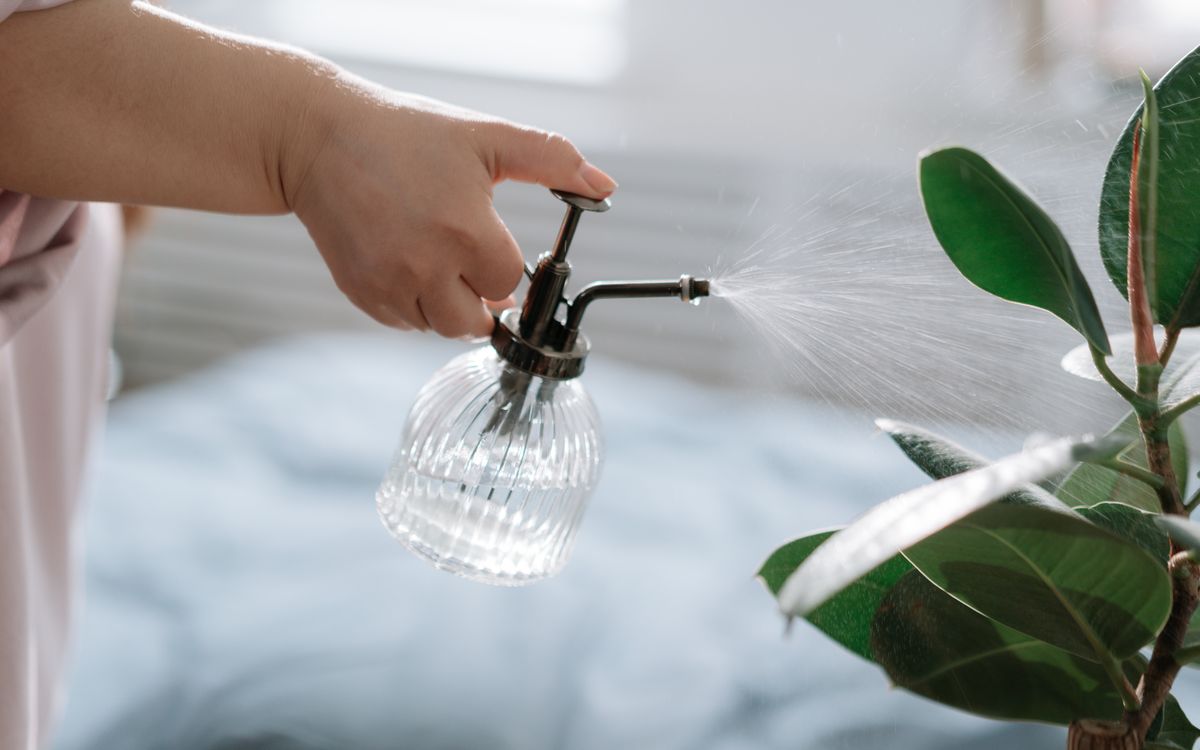
Room air quality at night can matter for comfort. Using a humidifier or dehumidifier when the air is too dry or too humid can ease breathing for some people; keeping devices clean and following manufacturer guidance can reduce airborne particles. Minimizing evening use of scented sprays, oils, or candles may also limit odor-related irritation.
Keeping a brief sleep and symptom log over a few weeks can show patterns and help guide which habits to keep. If nighttime symptoms are frequent or hard to manage, consider bringing your observations to a health-care provider for a discussion about options. These steps are general and informational, and choices about treatments or devices are best made with personalized advice.
Daily articles
Subscribe for daily reads and jump into the latest article now.
Receive RhinitisRank articles by text message and email each day, then head straight to the article library whenever you want a deeper read.

Fresh reading
Educational reads for flare-ups, patterns, and next steps.
Related reading
More articles in this topic cluster
Continue with nearby rhinitis questions, symptom patterns, and follow-up reading.

Nighttime Rhinitis: Practical Steps for More Comfortable Sleep
Simple adjustments to routine and the sleep environment can help reduce rhinitis-related disruptions at night. Explore non-prescriptive ideas to try and note for your provider.

Nighttime Strategies to Reduce Rhinitis Disruption
Explore gentle, practical steps that may improve nighttime comfort with rhinitis, from air and bedding choices to bedtime routines and simple nasal care.
Nighttime Rhinitis: Routines to Support Better Sleep
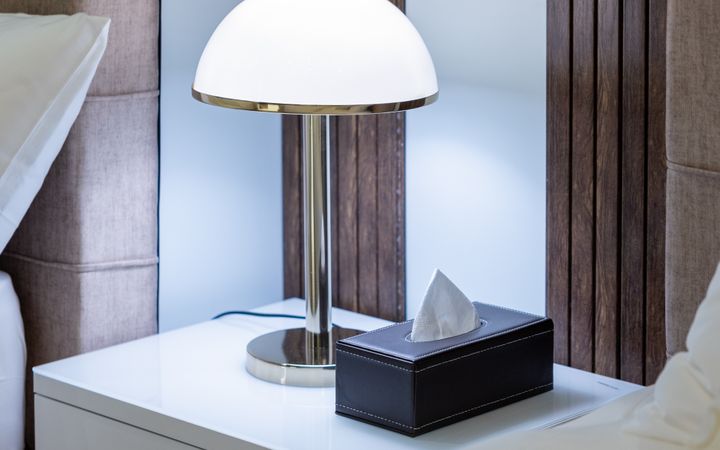
Practical, non-prescriptive tips for easing rhinitis-related nighttime discomfort. Focus on routines, room air care, and gentle nasal hygiene to support better rest.
Archive
Back to the article hub
Browse more RhinitisRank articles and long-tail education pages.
OpenPractical tools
Move into practical resources
Open tools like the trigger diary, checklists, and visit-prep resources.
OpenQuick assessment
Take the rhinitis quiz
Turn symptoms into a clearer starting point before your next appointment.
Open