
Nighttime Habits That Can Ease Rhinitis Symptoms
Small changes to your evening routine and bedroom air can influence how rhinitis feels overnight. This article reviews gentle, non-prescriptive strategies to help improve nighttime comfort.
Photo by cottonbro studio on Pexels
Many people with rhinitis notice symptoms become more noticeable at night. Lying flat, cooler or drier air, and exposure to household irritants can make congestion, runny nose, or postnasal drip feel more pronounced for some.
Adjusting sleep posture and bedding choices may alter how symptoms are experienced. Gently elevating the head, choosing breathable fabrics, and washing pillowcases more often can reduce contact with allergens or irritants for some individuals.
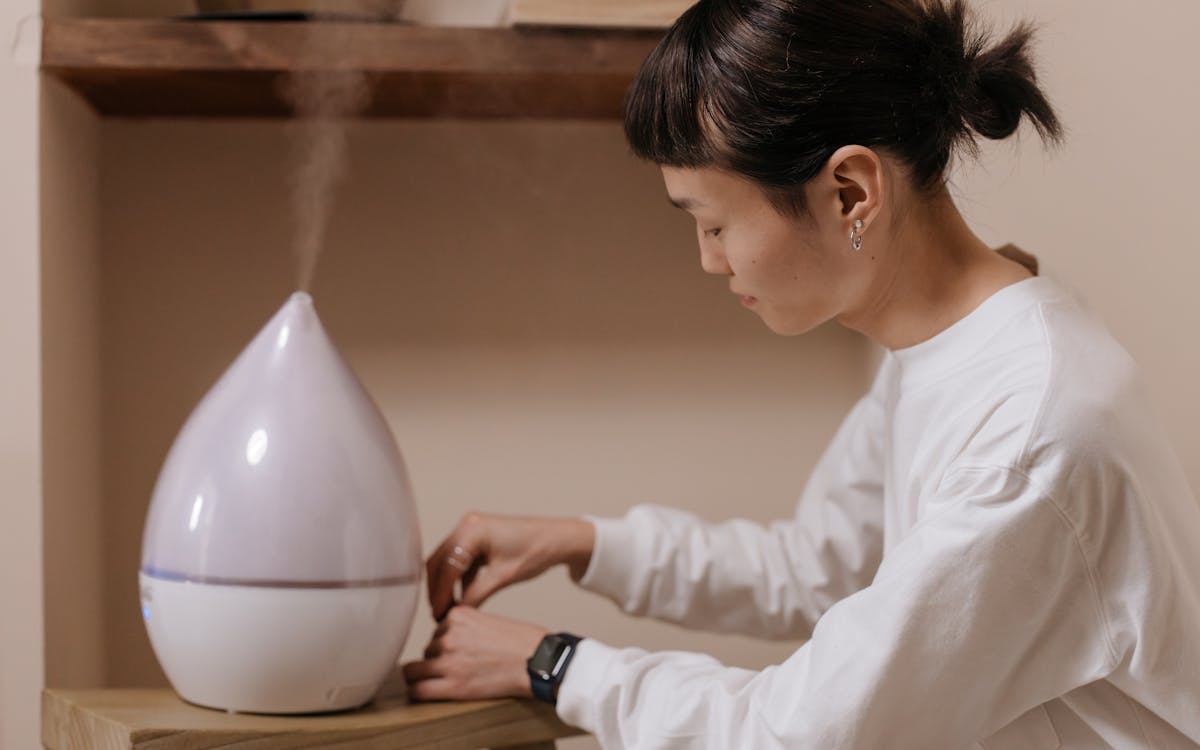
Indoor air factors often influence nighttime comfort. Using a humidifier to ease dry air, running a quiet air filter to lower airborne particles, or briefly ventilating the room in the evening may change nighttime symptom patterns, though ideal settings vary from person to person.
Evening routines can play a role in how you sleep with rhinitis. A warm shower before bed, removing outer clothes after being outdoors, and choosing fragrance-free personal care products in the evening are simple steps that some people find helpful.
Keeping a brief log of sleep quality and symptoms can help identify which changes are beneficial. If nighttime symptoms continue to disrupt sleep, consider discussing options with a clinician who can help explore individualized, evidence-informed approaches while you try modest lifestyle adjustments at home.
Daily articles
Subscribe for daily reads and jump into the latest article now.
Receive RhinitisRank articles by text message and email each day, then head straight to the article library whenever you want a deeper read.

Fresh reading
Educational reads for flare-ups, patterns, and next steps.
Related reading
More articles in this topic cluster
Continue with nearby rhinitis questions, symptom patterns, and follow-up reading.

Preparing for a Rhinitis Appointment: What to Bring
Organize symptom notes, a medication list, and a few clear questions to bring to your rhinitis appointment. Small preparations can help your visit run more smoothly.

Managing Rhinitis in Open Offices: Comfort Strategies
Shared offices bring common irritants like HVAC airflow, scents, and dust. Learn non-prescriptive strategies to reduce discomfort and plan for a more comfortable workday.

Dining Out with Rhinitis: Tips for Comfortable Eating
Dining out can need extra planning when rhinitis affects your comfort. This guide offers practical ideas for navigating restaurants, menus, and social meals.
Archive
Back to the article hub
Browse more RhinitisRank articles and long-tail education pages.
OpenPractical tools
Move into practical resources
Open tools like the trigger diary, checklists, and visit-prep resources.
OpenQuick assessment
Take the rhinitis quiz
Turn symptoms into a clearer starting point before your next appointment.
Open