
Managing Rhinitis While Cooking: Simple Kitchen Strategies
Practical, non-clinical ideas to reduce nasal irritation during meal preparation. Small changes in the kitchen can make cooking more comfortable for people with rhinitis.
In brief
Learn everyday approaches to limit kitchen triggers, adjust prep habits, and coordinate meals to reduce nasal irritation while cooking.
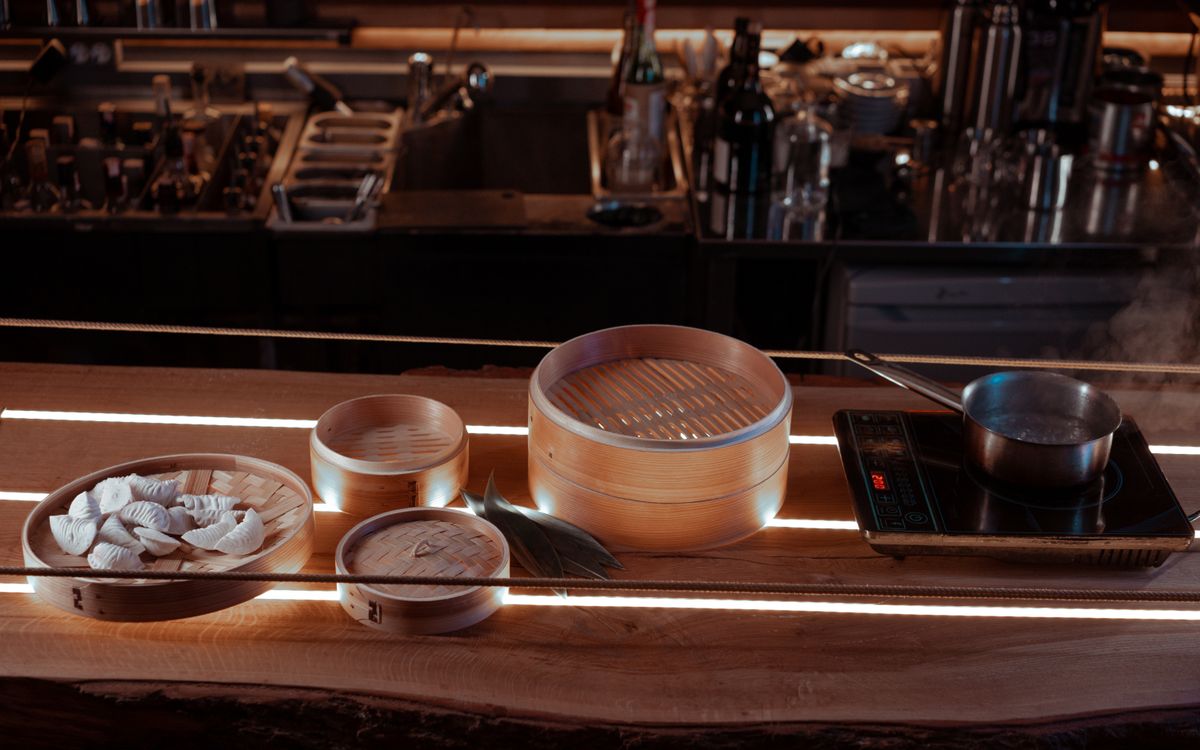
Photo by Mikhail Nilov on Pexels
Many common kitchen activities can produce smells, steam, smoke or airborne particles that may bother people with rhinitis. Strong spices, frying smoke, aerosolized cleaners and flour or spice dust are frequent sources of nasal irritation. Not everyone reacts the same way, so noticing which smells or actions trigger symptoms can help guide simple changes.
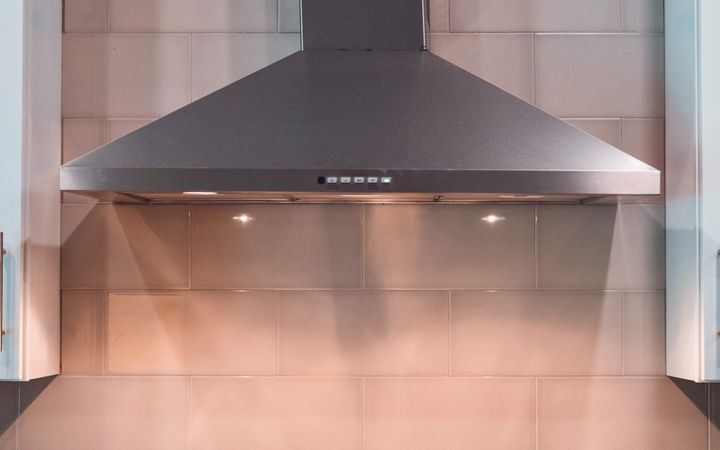
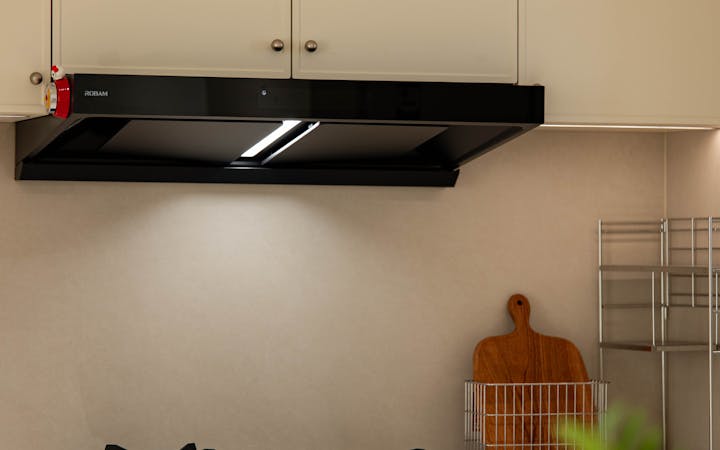
Ventilation is a practical first step to try. Running the range hood, using a nearby exhaust fan, or cracking a door can help move cooking fumes away. Placing a small fan to direct steam and odors out of the cooking area, or closing a door to keep them from spreading into other rooms, are everyday adjustments some people find useful.
Adjusting cooking methods and timing can also make a difference. Choosing lower-heat techniques, covering pans to contain steam and aroma, and avoiding heavy frying at times when symptoms are worse are options people may consider. Preparing strong-smelling steps (like chopping onions or toasting spices) shortly before or after mealtimes—rather than continuously—can reduce prolonged exposure.
Small planning choices can reduce hands-on time in the kitchen. Using pre-cut produce or prepared ingredients, doing messy prep when others are available to help, or scheduling cooking when symptoms tend to be milder are practical approaches. Keeping a clean, dry storage routine for dry goods and wiping counters to minimize dust or spice residue may also help limit ongoing irritants.
If you cook for others, communicating simple preferences—like asking for windows to be opened during frying or avoiding aerosol cleaners nearby—can keep mealtimes more comfortable for everyone. Keeping water, tissues, or a saline rinse nearby and noting which kitchen factors affect symptoms can be useful information to discuss with a healthcare provider during routine visits, if desired.
Daily articles
Subscribe for daily reads and jump into the latest article now.
Receive RhinitisRank articles by text message and email each day, then head straight to the article library whenever you want a deeper read.

Fresh reading
Educational reads for flare-ups, patterns, and next steps.
Related reading
More articles in this topic cluster
Continue with nearby rhinitis questions, symptom patterns, and follow-up reading.

Cooking Comfortably with Rhinitis: Kitchen Tips for Meal Prep
Adjusting ventilation, ingredients and timing in the kitchen can reduce smoke, steam and strong odors. Try simple strategies to make cooking feel easier and more comfortable.
Cooking with Rhinitis: Reduce Kitchen Triggers and Discomfort
Small changes in ventilation, ingredient handling, and timing can help lower kitchen-related rhinitis triggers. These tips focus on practical adjustments rather than medical guidance.
Cooking and Kitchen Strategies for Rhinitis-Friendly Meals
From ventilation and cooking methods to ingredient choices and cleanup, these tips aim to lower common kitchen triggers during meal planning and preparation.
Archive
Back to the article hub
Browse more RhinitisRank articles and long-tail education pages.
OpenPractical tools
Move into practical resources
Open tools like the trigger diary, checklists, and visit-prep resources.
OpenQuick assessment
Take the rhinitis quiz
Turn symptoms into a clearer starting point before your next appointment.
Open