

How Hydration Habits Affect Rhinitis Symptom Patterns
Fluids and beverages can influence how rhinitis feels day to day. This article explores common links between drinking habits and nasal symptoms, and practical ways people notice patterns.
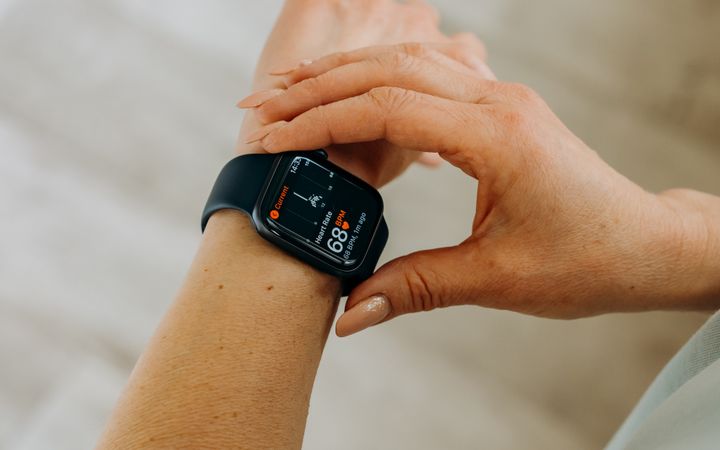
Photo by Kampus Production on Pexels
Many people with rhinitis notice a relationship between what they drink and how their nose feels. Fluids, temperature of beverages, and ingredients such as alcohol or spice can all be associated with short-term changes in nasal sensation or mucus consistency.
Warm drinks and steam are often reported to produce a temporary sense of loosened mucus or clearer breathing for some individuals. Cold beverages can feel soothing for a sore throat but may be followed by a different nasal sensation in others; responses are individual rather than universal.
Certain drinks—alcoholic beverages, highly caffeinated drinks, or very spicy beverages—are commonly mentioned as triggers by some people with rhinitis. These links are subjective, and not everyone reacts the same way; noticing your own patterns can help clarify which beverages are relevant for you.
Hydration level is another piece people consider when tracking nasal comfort. Some describe thicker mucus or more throat clearing when they drink less during the day, while others see little change; regular fluid intake and timing around meals may influence personal symptom patterns.
Practical approaches people report finding useful include keeping a familiar water source close, noting how specific drinks affect symptoms, and using supportive measures such as saline rinses or over-the-counter products when appropriate for short-term relief. If drinking habits are strongly linked to symptoms or concern, discussing observations with an ear, nose, and throat clinician or an allergy specialist can provide personalized guidance.
Keeping a simple daily log of beverages, timing, and symptom changes can make patterns easier to spot. This kind of tracking can be helpful to share with a healthcare professional when seeking tailored advice, without implying a single cause or universal remedy.
Daily articles
Subscribe for daily reads and jump into the latest article now.
Receive RhinitisRank articles by text message and email each day, then head straight to the article library whenever you want a deeper read.

Fresh reading
Educational reads for flare-ups, patterns, and next steps.
Related reading
More articles in this topic cluster
Continue with nearby rhinitis questions, symptom patterns, and follow-up reading.
Noticing Rhinitis Rhythms: Daily, Weekly, Monthly Patterns
Many people find rhinitis follows a daily or monthly rhythm. A few simple notes over a week or month can reveal useful patterns for everyday planning.

Keeping a Simple Rhinitis Symptom Tracker
A short, regular log can help you notice triggers and symptom patterns. Try different formats to find one that fits your routine.

Track Your Rhinitis: Simple Logs, Apps, and Patterns
Keeping a short symptom log or using an app can reveal repeating rhinitis patterns. This article outlines what to note and how to use the information.
Archive
Back to the article hub
Browse more RhinitisRank articles and long-tail education pages.
OpenPractical tools
Move into practical resources
Open tools like the trigger diary, checklists, and visit-prep resources.
OpenQuick assessment
Take the rhinitis quiz
Turn symptoms into a clearer starting point before your next appointment.
Open