
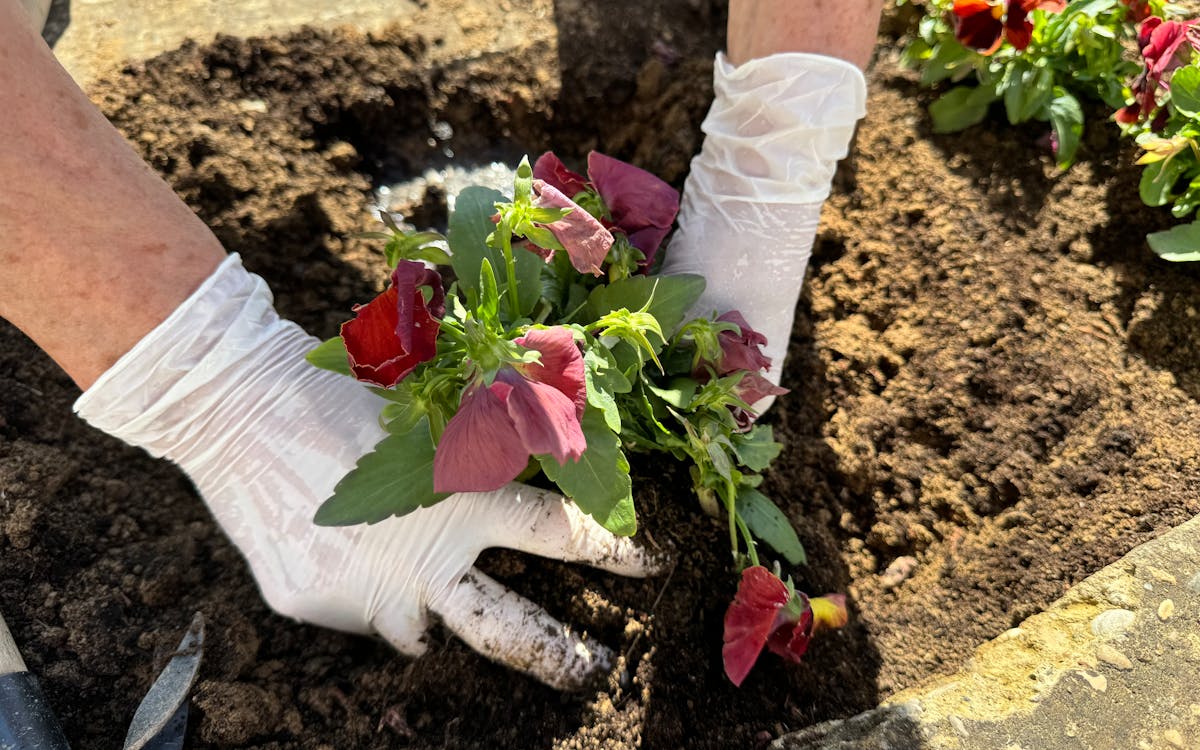
Gardening with Rhinitis: Allergy-Aware Yard and Plant Care
Gardening can be enjoyable even with rhinitis, but outdoor work often stirs particles that affect nasal comfort. This article offers general, non-prescriptive ideas to reduce exposure and make yard time more comfortable.
Being outside in the garden often exposes you to pollen, soil dust, mold spores, and other airborne particles that can affect nasal comfort. These are common triggers for people with rhinitis, and awareness of what stirs them up can help you plan activities more comfortably.
Timing and conditions can influence how much airborne material is present. Pollen and dust levels fluctuate through the day and with weather; some people prefer to garden when counts feel lower or after a light rain, while others adjust by shortening outdoor sessions.
Plant choice and garden layout may change the overall exposure in shared spaces. Some ornamental plants tend to release more airborne pollen than others, while fruit, vegetable, and herb beds often create different exposure patterns. Grouping beds and placing high-pollen species away from frequently used paths can be part of a broader approach to managing the garden environment.
Practical measures during gardening can help limit contact with irritants. Wearing gloves, protective eyewear, and a well-fitting mask, using a hose to dampen dusty areas before raking or turning soil, and choosing hand tools that minimize dust generation are all commonly used strategies. Consider tool choice and timing when planning heavier tasks like leaf clearing or compost turning.
After a gardening session, simple cleanup steps may reduce how much outdoor material is carried indoors. Changing clothes, washing hands and face, and rinsing off exposed skin are common habits. Some people also use saline rinses or nasal hygiene practices as part of their routine; if symptoms are persistent or concerning, discussing options with a healthcare professional can be helpful.
Daily articles
Subscribe for daily reads and jump into the latest article now.
Receive RhinitisRank articles by text message and email each day, then head straight to the article library whenever you want a deeper read.

Fresh reading
Educational reads for flare-ups, patterns, and next steps.
Related reading
More articles in this topic cluster
Continue with nearby rhinitis questions, symptom patterns, and follow-up reading.
Nighttime Rhinitis: Routines for Better Sleep Comfort
Small changes to evening routines and sleep surroundings may ease nighttime rhinitis symptoms. Notes on tracking patterns and preparing questions for a clinician visit.

Exercising with Rhinitis: Planning Comfortable Workouts
Where, when, and how you exercise can affect nasal comfort. Small planning steps — timing, gear, and pacing — may make workouts easier to manage.

Parenting with Rhinitis: Everyday Care and Planning
Tips to help parents balance rhinitis symptoms with daily childcare—packing, outings, routines, and talking with caregivers to reduce surprises and stay comfortable.
Archive
Back to the article hub
Browse more RhinitisRank articles and long-tail education pages.
OpenPractical tools
Move into practical resources
Open tools like the trigger diary, checklists, and visit-prep resources.
OpenQuick assessment
Take the rhinitis quiz
Turn symptoms into a clearer starting point before your next appointment.
Open