
Cooking and Rhinitis: Managing Kitchen Triggers
Cooking can expose you to steam, spices, smoke, and cleaning fumes that may affect rhinitis symptoms. This article explains common kitchen triggers and practical, non-prescriptive strategies to reduce exposure while preparing food.
In brief
Kitchen activities can bring up smells and particles that influence rhinitis symptoms. Learn general approaches to reduce exposure and make cooking more comfortable.
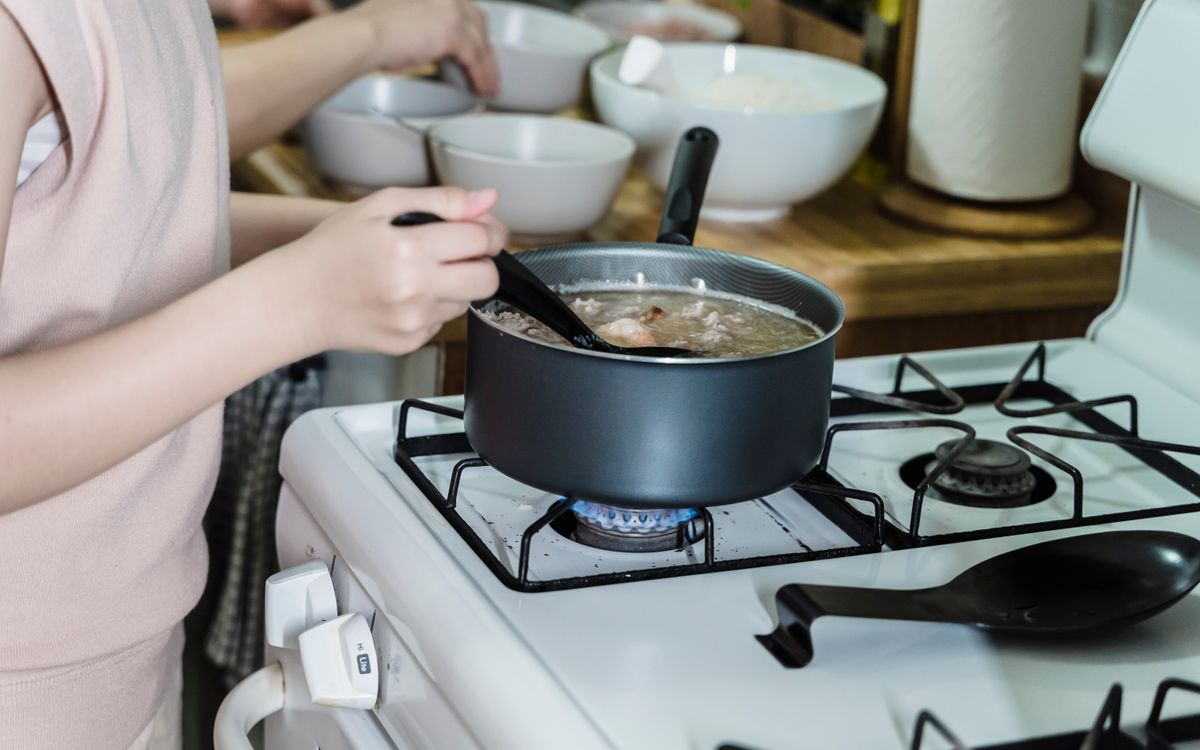
Photo by Annushka Ahuja on Pexels
Many people with rhinitis notice that certain kitchen activities can make symptoms feel worse. Common culprits include cooking steam, frying smoke, strong spices and extracts, flour or powdered ingredients, and cleaning products with strong scents. Recognizing which of these seem to affect you is a first step toward adapting routines.
Simple changes to how and where you cook may reduce exposure for some people. Options to consider include using a vent hood or portable fan, working near open air when feasible, prepping strong-smelling ingredients in small batches, and choosing cooking methods that produce less smoke. Timing tasks that generate heavy fumes or dust for moments when fewer people are present may also be helpful.
Tools and habits in the kitchen can be useful to minimize direct exposure. Some people find that a lightweight face covering, wearing glasses while handling hot steam or powdered ingredients, or changing clothes after cooking reduces residual irritation. Rinsing nasal passages or using a humidifier are strategies some people explore, though individual responses vary.
When cooking for others or using a shared kitchen, communication and simple ground rules can make meal prep easier. Letting housemates or guests know about a sensitivity, keeping a small “clean zone” for plating, or assigning particularly dusty or smoky tasks to times when others aren’t nearby are practical approaches. Preparing lower-odor recipes or doing strong-smell steps (toasting spices, chopping onions) ahead of time may also help.
If you’re unsure which triggers are most relevant for you, keeping a brief log of activities and symptoms can be useful to bring to a healthcare visit. A provider or allergy clinician can help interpret patterns and discuss options tailored to your situation. This article is educational and not a substitute for individualized medical advice.
Daily articles
Subscribe for daily reads and jump into the latest article now.
Receive RhinitisRank articles by text message and email each day, then head straight to the article library whenever you want a deeper read.

Fresh reading
Educational reads for flare-ups, patterns, and next steps.
Related reading
More articles in this topic cluster
Continue with nearby rhinitis questions, symptom patterns, and follow-up reading.

Cooking with Rhinitis: Managing Steam, Spices, and Smells
Cooking can expose you to steam, smoke, and strong smells that bother nasal symptoms. This guide offers gentle, practical ideas to limit triggers during meal prep.

Caring for Young Children When You Have Rhinitis
Small adjustments to routines, product choices, and outings can help lower rhinitis triggers around babies and toddlers. Communicating with caregivers and planning ahead often makes everyday care more comfortable.

Cooking with Rhinitis: Cutting Kitchen Triggers and Smoke
Learn gentle strategies for recognizing kitchen triggers, managing steam and smoke, and adjusting cooking habits when you have rhinitis.
Archive
Back to the article hub
Browse more RhinitisRank articles and long-tail education pages.
OpenPractical tools
Move into practical resources
Open tools like the trigger diary, checklists, and visit-prep resources.
OpenQuick assessment
Take the rhinitis quiz
Turn symptoms into a clearer starting point before your next appointment.
Open