
Living with Scent Sensitivity: Rhinitis and Everyday Fragrances
Many people with rhinitis notice strong reactions to perfumes, cleaning products, and fragranced personal-care items. This article explains common scent-related triggers and practical, non-prescriptive ways to reduce encounters with bothersome smells.
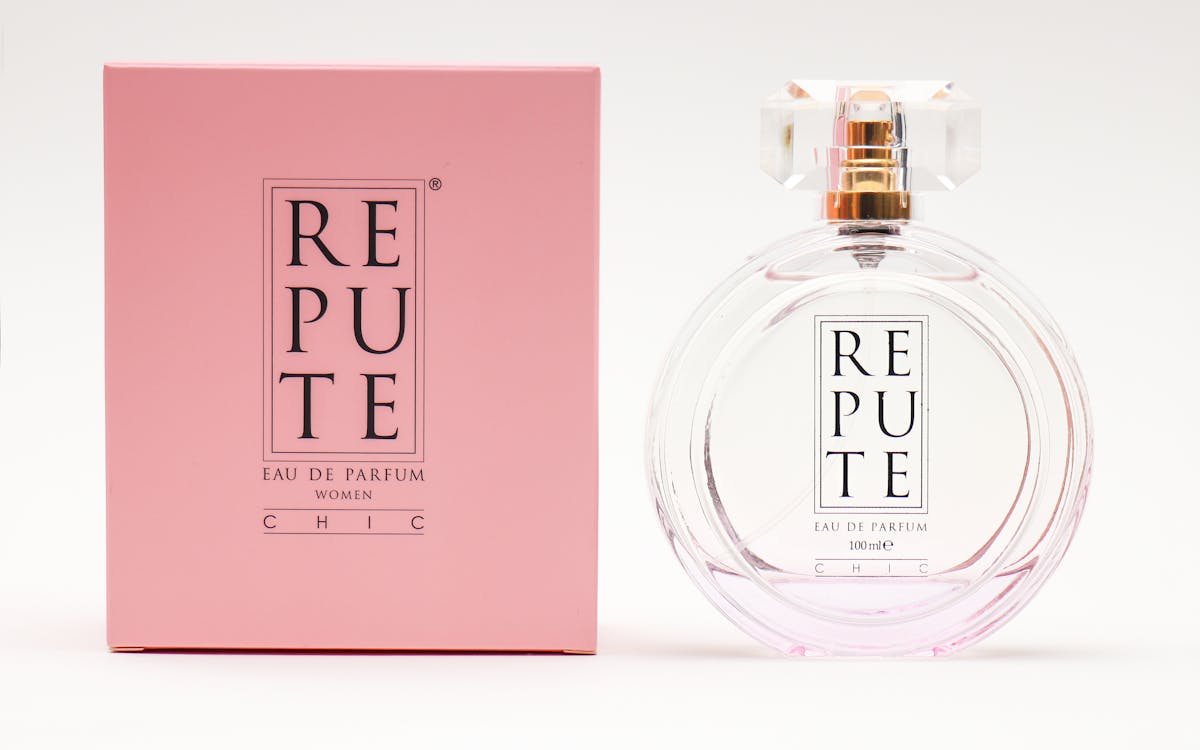
Photo by Beyza Nur Yurtçu on Pexels
Scent sensitivity is a common experience among people who notice nasal irritation or changes in breathing when exposed to strong smells. Fragrances can come from obvious sources like perfumes and colognes, but also from laundry products, cleaning sprays, air fresheners, and some personal-care items. Responses to scents vary widely from person to person and can change over time.
Typical reactions include nasal stuffiness, sneezing, a tickly or itchy nose, and a feeling of increased sensitivity in the nostrils. These sensations may overlap with allergic or nonallergic rhinitis symptoms, and the pattern of reaction often depends on the scent intensity, duration of exposure, and individual sensitivity. Not everyone will respond the same way to the same product.
A practical first step for many people is noticing patterns: where symptoms appear, which products were present, and how long the reaction lasted. Keeping a simple diary or note on your phone about exposures and symptoms can help identify repeat triggers. Observing settings — for example, the types of scents encountered on public transport, in workplaces, or in retail aisles — can also point to frequent sources.
Some people find it helpful to reduce encounters by choosing fragrance-free or unscented personal-care and laundry products, opening windows or increasing ventilation when possible, or gently asking others in shared spaces to avoid heavy fragrances. Communication strategies for workplaces or group settings may include polite requests or using shared scent-free policies when available. These are personal choices and may be more or less practical depending on individual circumstances and social situations.
If scent-related problems are frequent, severe, or interfere with daily life, talking with a trusted healthcare professional or an ear-nose-throat specialist can be one option to explore next steps. A clinician can help discuss possible causes and management approaches in a way that fits your specific situation. Keeping a record of when and where reactions happen can make conversations with a clinician or workplace representative more informative.
Daily articles
Subscribe for daily reads and jump into the latest article now.
Receive RhinitisRank articles by text message and email each day, then head straight to the article library whenever you want a deeper read.

Fresh reading
Educational reads for flare-ups, patterns, and next steps.
Related reading
More articles in this topic cluster
Continue with nearby rhinitis questions, symptom patterns, and follow-up reading.

Living With Scent Sensitivity: Navigating Fragrances and Rhinitis
Learn practical, non-prescriptive ways to manage exposure to perfumes, air fresheners and personal care fragrances when you have rhinitis.

Navigating Fragrance Sensitivity When You Have Rhinitis
Fragrances can be an invisible trigger for rhinitis symptoms. Learn common sources, communication approaches, and environment-focused strategies to reduce encounters.

Managing Scent Sensitivity with Rhinitis in Daily Life
If fragrances and scented products affect your nose, learn straightforward ways to spot triggers, make small changes, and communicate needs in public and at work.
Archive
Back to the article hub
Browse more RhinitisRank articles and long-tail education pages.
OpenPractical tools
Move into practical resources
Open tools like the trigger diary, checklists, and visit-prep resources.
OpenQuick assessment
Take the rhinitis quiz
Turn symptoms into a clearer starting point before your next appointment.
Open