

Exercise and Rhinitis: Strategies for Symptom-Friendly Workouts
Physical activity often interacts with nasal symptoms in different ways. This article outlines common factors that can influence rhinitis during exercise and practical, non-prescriptive approaches people use to make movement more comfortable.
Photo by Ketut Subiyanto on Pexels
Many people notice changes in nasal symptoms when they begin exercising. Changes in airflow, humidity, temperature, and exposure to outdoor allergens can all influence how the nose feels before, during, and after activity.
The setting and type of exercise matter. Outdoor running or cycling may increase exposure to pollen and cold air, while some indoor activities can introduce dust, perfumed cleaning products, or chlorine from pools that people associate with nasal irritation.
Breathing patterns and intensity can also affect comfort. Gradual warm-ups, pacing, and attention to breathing (for example, settling into a comfortable pattern rather than forcing one technique) are approaches some people find helpful to reduce sudden symptom changes during higher-intensity efforts.
Clothing and temperature management may influence how nasal symptoms are experienced. Layering, breathable fabrics, and protecting the face from very cold air are examples of practical adjustments people sometimes try to limit nasal discomfort during outdoor workouts.
Many people track what works best for them by noting which activities, times of day, and environments are linked with better or worse symptoms. If curiosity about options goes beyond everyday adjustments, discussing symptoms and choices with a healthcare professional or an ENT specialist can provide tailored information and support.
Daily articles
Subscribe for daily reads and jump into the latest article now.
Receive RhinitisRank articles by text message and email each day, then head straight to the article library whenever you want a deeper read.

Fresh reading
Educational reads for flare-ups, patterns, and next steps.
Related reading
More articles in this topic cluster
Continue with nearby rhinitis questions, symptom patterns, and follow-up reading.

Exercising with Rhinitis: Practical Tips for Workouts
Practical, non-prescriptive ideas to reduce rhinitis discomfort during exercise, including timing choices, warm-up habits, and what to bring to a workout.
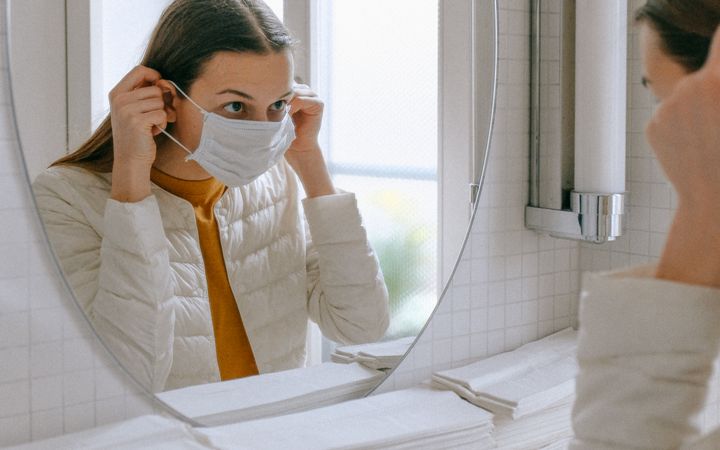
Mask Use and Rhinitis: Comfort, Fit, and Smell
A clear overview of mask factors that can affect rhinitis symptoms, including fit, fabrics, odors and short-term wear strategies for daily life.

Exercising with Rhinitis: Practical Tips to Stay Active
Small adjustments in timing, clothing, pacing and post-workout care can make exercise more manageable with rhinitis. Try tracking what affects your symptoms.
Archive
Back to the article hub
Browse more RhinitisRank articles and long-tail education pages.
OpenPractical tools
Move into practical resources
Open tools like the trigger diary, checklists, and visit-prep resources.
OpenQuick assessment
Take the rhinitis quiz
Turn symptoms into a clearer starting point before your next appointment.
Open