

Managing Rhinitis During Exercise and Gym Sessions
Rhinitis can change how comfortable you feel while exercising. This guide outlines common workout triggers and everyday strategies to make activity easier.
In brief
Simple planning and environment choices can reduce interruptions from rhinitis during workouts. Learn practical comfort steps for gym and sports settings.
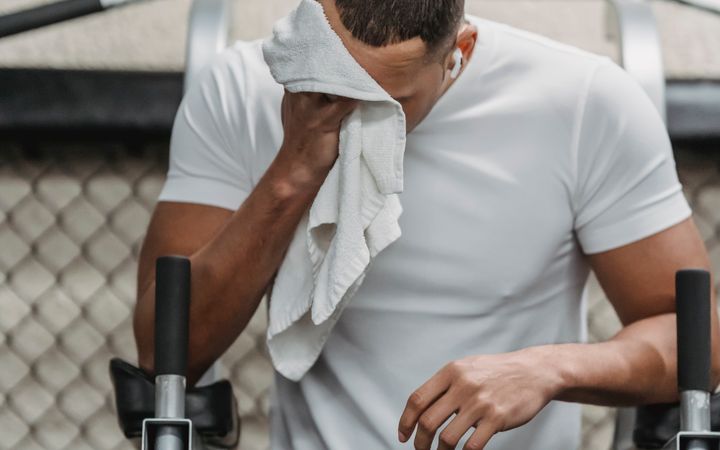
Photo by Cesar Galeão on Pexels
Rhinitis symptoms—like congestion, runny nose, or postnasal drip—can make workouts feel harder or more distracting. This article highlights common triggers you might meet at the gym or during sports and suggests general ways to plan for more comfortable sessions.
Exercise changes breathing patterns, body temperature, and humidity near the face, all of which can affect rhinitis symptoms for some people. Other common gym-related factors include strong cleaning scents, dust from mats or equipment, chlorine from pools, and crowded or poorly ventilated spaces.
Preparing before a session can help. Some people find that timing workouts for parts of the day when symptoms are milder, doing a gentle warm-up, staying well hydrated, and using a saline rinse or similar non-prescription comfort measures makes activity more tolerable. Choosing breathable clothing and wiping sweat from the face may also reduce irritation.
Where and how you exercise matters. A quieter corner of the gym, outdoor runs at low-pollen times where appropriate, or classes with good ventilation can help lower exposure to potential triggers. If you use a pool, being aware of the type of pool and how chlorine affects your nose may be useful when choosing swim sessions.
Practical on-the-spot steps include keeping tissues or wipes handy, taking short breaks if symptoms peak, and communicating with coaches or partners about comfort needs. If symptoms consistently limit activity, considering a conversation with a healthcare professional about options for managing exercise-related symptoms may be helpful, keeping in mind this is informational rather than prescriptive.
Daily articles
Subscribe for daily reads and jump into the latest article now.
Receive RhinitisRank articles by text message and email each day, then head straight to the article library whenever you want a deeper read.

Fresh reading
Educational reads for flare-ups, patterns, and next steps.
Related reading
More articles in this topic cluster
Continue with nearby rhinitis questions, symptom patterns, and follow-up reading.
Exercising with Rhinitis: Gym and Workout Strategies
A short guide to adjusting workouts and gym habits to reduce nasal irritation during exercise. Includes warm-up ideas, breathing options, and equipment hygiene tips.
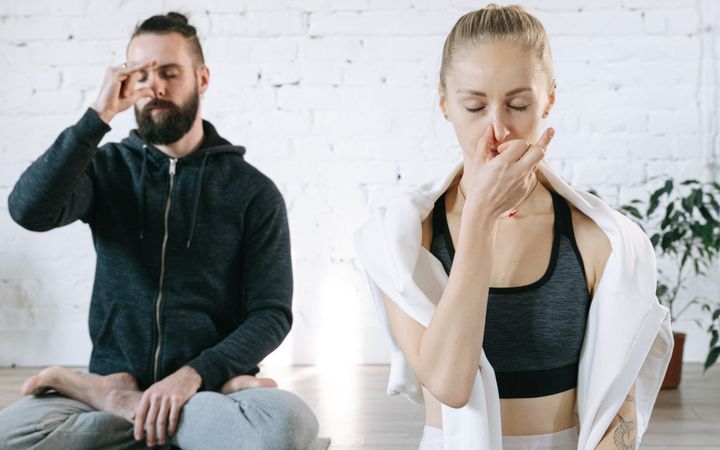
Exercising with Rhinitis: Comfortable Workouts and Practical Tips
Practical, general ideas for people with rhinitis who want to exercise with less irritation — from planning and pacing to easy pre/post steps.

Exercising with Rhinitis: Gym and Outdoor Comfort Tips
A short guide with non-prescriptive strategies for staying comfortable during gym sessions, classes, and outdoor runs when rhinitis is a concern.
Archive
Back to the article hub
Browse more RhinitisRank articles and long-tail education pages.
OpenPractical tools
Move into practical resources
Open tools like the trigger diary, checklists, and visit-prep resources.
OpenQuick assessment
Take the rhinitis quiz
Turn symptoms into a clearer starting point before your next appointment.
Open