

Evening Routines to Ease Rhinitis Symptoms at Night
Small evening adjustments can help make nighttime rhinitis symptoms easier to manage. Practical, non-prescriptive ideas for wind-down routines, air steps, and symptom tracking.
In brief
Simple evening habits and gentle nasal-care steps to consider for managing rhinitis symptoms that show up at night.
Photo by Towfiqu barbhuiya on Pexels
For many people, rhinitis symptoms change or become more noticeable in the evening and during sleep. Nasal stuffiness, post-nasal drip, sneezing, or an irritated nose can interfere with falling or staying asleep. Noticing when symptoms shift across the day can help you plan gentle adjustments to your wind-down routine.
A short pre-bed sequence that focuses on gentle nasal care and hygiene may be useful for some people. This can include rinsing with saline or using a saline spray, washing hands and face to remove airborne particles, and limiting strong scents or smoke near bedtime. These are general measures to consider rather than specific recommendations for treatment.
The sleep area’s air quality and humidity often influence how the nose feels at night. Using a humidifier or air purifier, keeping vents and filters clean, and minimizing strong odors in the immediate sleep area are examples of environmental steps people often try. Small changes to airflow or humidity levels may affect nasal comfort differently from person to person.
Positional and supportive aids are another non-medical option some people explore. Gentle head elevation, nasal strips, or adjusting pillow arrangements can change how nasal passages feel during sleep. Including calming bedtime activities such as breathing exercises or a consistent routine can also influence how symptoms are perceived and how easily someone falls asleep.
Keeping a brief symptom log—time of night, triggers noticed, and which evening steps were used—can make it easier to spot patterns. If nighttime symptoms are frequent or changing, bringing notes to a health visit can help guide a focused conversation. These educational strategies are meant to help people identify what works for them and to support informed discussions with a healthcare provider if needed.
Daily articles
Subscribe for daily reads and jump into the latest article now.
Receive RhinitisRank articles by text message and email each day, then head straight to the article library whenever you want a deeper read.

Fresh reading
Educational reads for flare-ups, patterns, and next steps.
Related reading
More articles in this topic cluster
Continue with nearby rhinitis questions, symptom patterns, and follow-up reading.

Parenting with Rhinitis: Everyday Care and Planning
Tips to help parents balance rhinitis symptoms with daily childcare—packing, outings, routines, and talking with caregivers to reduce surprises and stay comfortable.
Mask Use and Rhinitis: Comfort, Fit, and Smell
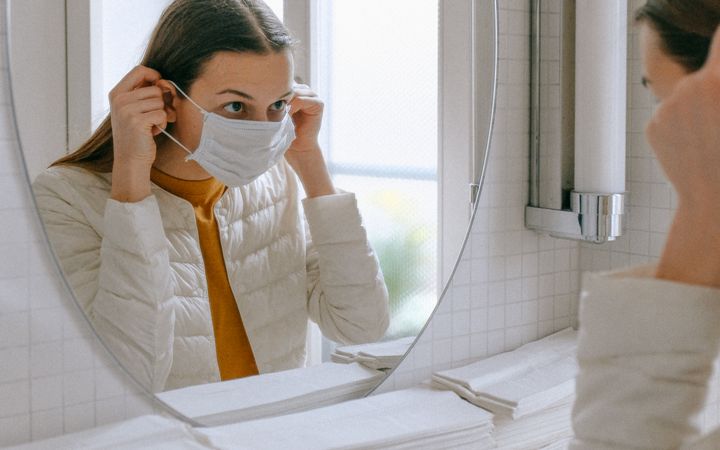
A clear overview of mask factors that can affect rhinitis symptoms, including fit, fabrics, odors and short-term wear strategies for daily life.

Nighttime Strategies for Rhinitis: Sleep, Triggers, Comfort
Small changes to an evening routine, air care, and bedding can make nights more comfortable for people with rhinitis. Try a few adjustments to find what helps.
Archive
Back to the article hub
Browse more RhinitisRank articles and long-tail education pages.
OpenPractical tools
Move into practical resources
Open tools like the trigger diary, checklists, and visit-prep resources.
OpenQuick assessment
Take the rhinitis quiz
Turn symptoms into a clearer starting point before your next appointment.
Open