
Cooking at Home with Rhinitis: Kitchen Habits That Help
Simple kitchen habits can reduce exposure to common cooking triggers. This guide outlines practical steps to make home cooking more comfortable for people with rhinitis.
In brief
Small changes in ventilation, prep, and cleaning can affect how cooking smells and fumes influence your nose. Explore practical habits to test and adapt to your routine.
Photo by Jaycee300s on Pexels
Many people with rhinitis notice that cooking produces steam, smoke, strong spices, or grease aerosols that feel irritating. These airborne odors and particles can be more concentrated in small or poorly ventilated kitchens, so understanding common sources can help you plan.
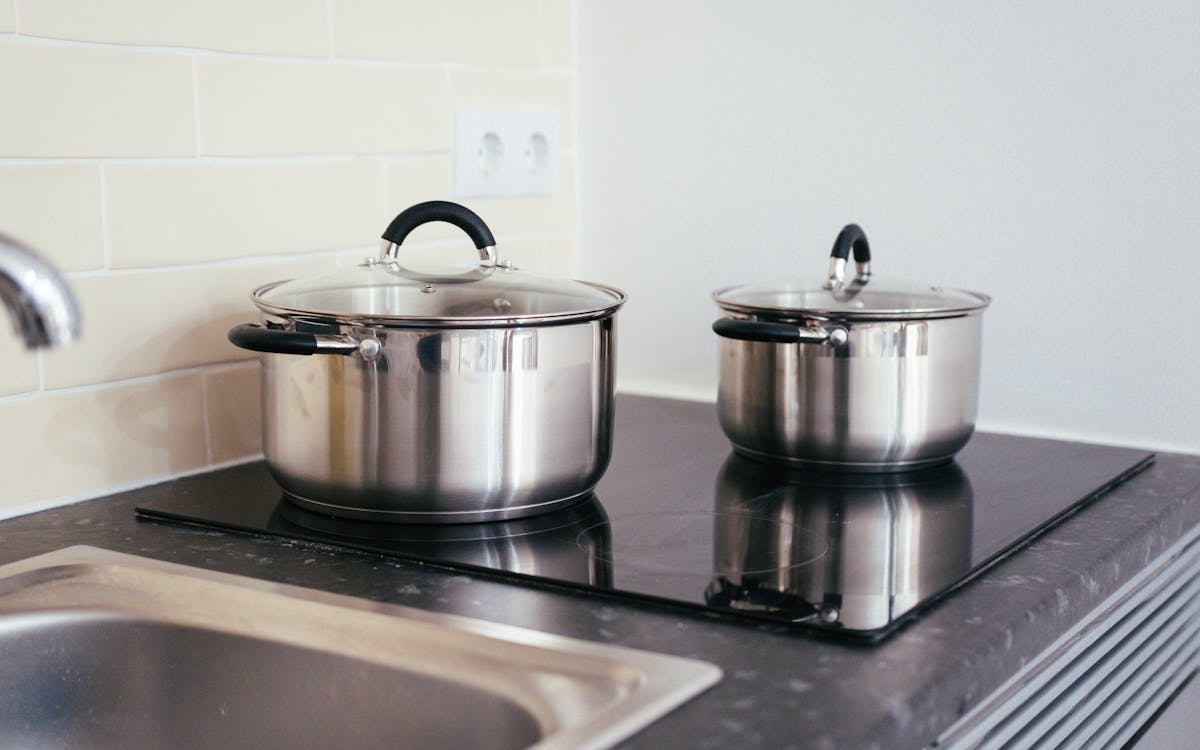
Ventilation is one of the most straightforward adjustments. Running an exhaust fan, opening a nearby window when weather and safety allow, and using lids or splatter screens on pans can reduce fumes; lowering very high heat or avoiding quick high-temperature searing may also limit visible smoke.
Ingredient choices and prep techniques can change how intense cooking smells become. Pre-chopping pungent items, using milder spices or smaller amounts, choosing cooking methods that produce fewer fumes (such as stewing or baking rather than frying), and preparing strong-smelling ingredients outdoors or near an open window are options some people try to reduce exposure.
Keeping the kitchen clean helps remove lingering odors and particles. Wiping spills promptly, emptying trash, sealing strong-smelling foods in containers, and regularly cleaning or replacing range-hood filters and stove surfaces can lower the buildup of irritants over time.
Small daily habits can make a difference in how cooking affects you. Timing meals for less busy moments, taking short breaks to step away while a dish finishes, changing or washing an apron or clothing that captures cooking odors, and washing hands after handling pungent foods are practical steps to consider.
If you notice consistent patterns—certain foods, techniques, or times that seem worse for your nose—tracking them in a short log can help you identify triggers. Bringing that information to a trusted clinician or specialist can support a broader conversation about symptom management without relying on quick fixes.
Daily articles
Subscribe for daily reads and jump into the latest article now.
Receive RhinitisRank articles by text message and email each day, then head straight to the article library whenever you want a deeper read.

Fresh reading
Educational reads for flare-ups, patterns, and next steps.
Related reading
More articles in this topic cluster
Continue with nearby rhinitis questions, symptom patterns, and follow-up reading.

Cooking with Rhinitis: Managing Steam, Spices, and Smells
Cooking can expose you to steam, smoke, and strong smells that bother nasal symptoms. This guide offers gentle, practical ideas to limit triggers during meal prep.
Cooking and Meal Prep When You Have Rhinitis
Tips for making cooking and meal prep more comfortable with rhinitis, including ingredient choices, ventilation, and simple routines that reduce common kitchen triggers.

Cooking with Rhinitis: Cutting Kitchen Triggers and Smoke
Learn gentle strategies for recognizing kitchen triggers, managing steam and smoke, and adjusting cooking habits when you have rhinitis.
Archive
Back to the article hub
Browse more RhinitisRank articles and long-tail education pages.
OpenPractical tools
Move into practical resources
Open tools like the trigger diary, checklists, and visit-prep resources.
OpenQuick assessment
Take the rhinitis quiz
Turn symptoms into a clearer starting point before your next appointment.
Open