

Working in Open-Plan Offices with Rhinitis: Practical Strategies
Practical, everyday ideas to reduce discomfort and interruptions when you have rhinitis in an open-office environment. Focus on air, routines, desk habits, and communication.
In brief
Simple, non-prescriptive approaches for staying more comfortable with rhinitis in open-plan offices — from seating and air to breaks and personal supplies.
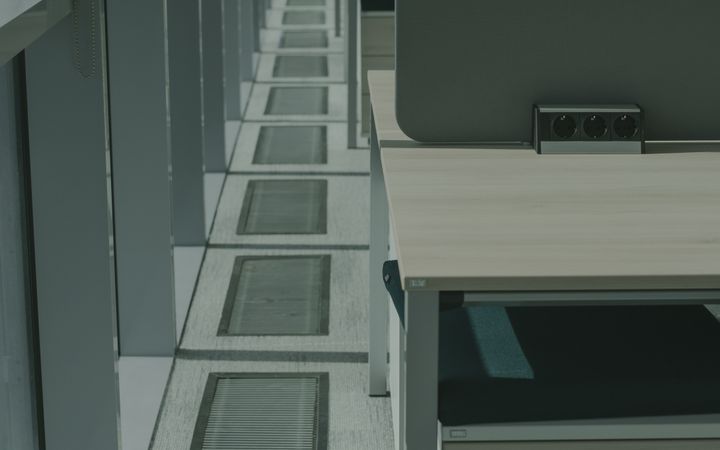
Photo by cottonbro studio on Pexels
Open-plan offices can be helpful for collaboration but may present extra sensory and air-quality challenges for people with rhinitis. Thinking ahead about where you sit, how you use shared spaces, and which small personal items you keep at hand can make the workday more manageable.
Consider airflow and scent sources in the space. If you have control over seating choices, sitting near less-trafficked aisles or away from strong-smelling areas such as a busy kitchen or cleaning stations might reduce exposure to irritants. Ventilation patterns vary by building, so periodic changes in seat location or timing tasks to avoid peak activity could be worth considering.
Small routines often help. Short, regular breaks to step outside for fresh air, staying hydrated, or using familiar personal comfort items you rely on can be useful during longer shifts. Bringing discreet supplies you normally use for symptom comfort—tissues, a water bottle, or items you routinely use for nasal care—can reduce interruptions.
Shared spaces and colleagues matter too. Communicating briefly and respectfully about scents, cleaning times, or meeting locations might reduce uncomfortable triggers without singling anyone out. If communal areas like kitchens or meeting rooms are frequent sources of smells or dust, choosing alternate spots for focused work or phone calls can be another option.
If rhinitis affects how you perform or participate at work, planning ahead for important meetings or busy days could help you feel more prepared. That might include arranging remote participation when available, scheduling meetings at times that are easier for you, or discussing temporary adjustments with a manager if needed. These are general considerations to help you navigate open-plan offices while prioritizing your comfort and productivity.
Daily articles
Subscribe for daily reads and jump into the latest article now.
Receive RhinitisRank articles by text message and email each day, then head straight to the article library whenever you want a deeper read.

Fresh reading
Educational reads for flare-ups, patterns, and next steps.
Related reading
More articles in this topic cluster
Continue with nearby rhinitis questions, symptom patterns, and follow-up reading.
Managing Rhinitis in Open Offices: Comfort Strategies
Shared offices bring common irritants like HVAC airflow, scents, and dust. Learn non-prescriptive strategies to reduce discomfort and plan for a more comfortable workday.

Communicating Scent Sensitivities at Work with Rhinitis
Tips for talking about fragrance sensitivity at work when you have rhinitis. Quick scripts, meeting-day adjustments, and respectful workplace approaches.

Working Comfortably in Shared Office Spaces with Rhinitis
Ideas for navigating shared offices—from desk placement and scent awareness to discreet personal supplies—aimed at making workdays more comfortable with rhinitis.
Archive
Back to the article hub
Browse more RhinitisRank articles and long-tail education pages.
OpenPractical tools
Move into practical resources
Open tools like the trigger diary, checklists, and visit-prep resources.
OpenQuick assessment
Take the rhinitis quiz
Turn symptoms into a clearer starting point before your next appointment.
Open