

Wearing Masks with Rhinitis: Comfort and Practical Tips
How masks and respirators can affect nasal comfort, and simple, general approaches people often use to reduce irritation during everyday activities.
In brief
Practical, non-prescriptive guidance on mask fit, materials, hygiene, breaks, and small comfort measures to consider when you have rhinitis.
Photo by August de Richelieu on Pexels
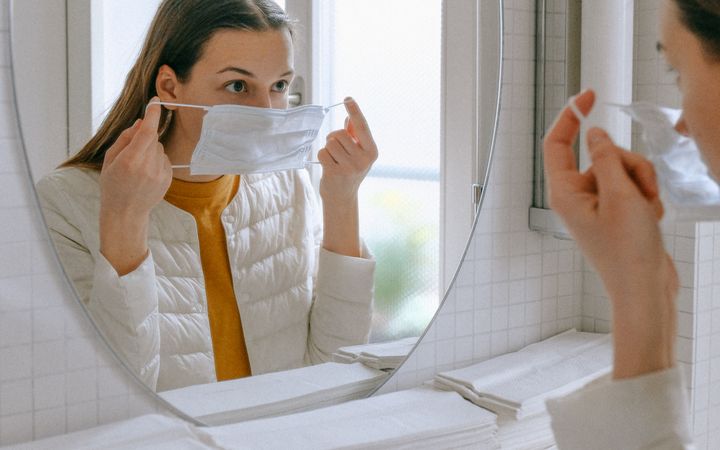
Many people with rhinitis notice that wearing a mask changes how their nose feels. Masks alter airflow, humidity, and particle exposure around the nose and mouth, which can make symptoms feel different than when unmasked. These effects vary with mask type, fit, and how long the mask is worn.
Choosing a mask often means balancing filtration, breathability, and comfort. Lighter surgical-style masks and some cloth masks can feel less restrictive, while tighter-fitting respirators can increase pressure and warmth. Materials, seams, and nose clips can all affect irritation where the mask contacts skin near the nose.
Mask hygiene and rotation are practical considerations many people find helpful. Carrying spare masks, changing damp masks, and choosing washable materials for repeated use can reduce odor and trapped particles. Gentle skin care and soft nose bridge liners are examples of comfort measures some people try to reduce friction.
Planned breaks in safe settings can help some mask wearers manage discomfort. When brief mask removal is allowed and safe, stepping into a low-risk outdoor area or private space for a short pause is a strategy people sometimes use. It can also help to plan mask use around activities that increase nasal symptoms, like long conversations or heavy exertion.
If masks are required at work, school, or during travel, clear communication about needs and options may be useful. Explaining what helps you stay comfortable, carrying alternatives, or discussing reasonable adjustments with an employer or organizer are non-clinical steps to consider. For personal medical questions or persistent concerns, consulting a healthcare professional is appropriate for individualized guidance.
Daily articles
Subscribe for daily reads and jump into the latest article now.
Receive RhinitisRank articles by text message and email each day, then head straight to the article library whenever you want a deeper read.

Fresh reading
Educational reads for flare-ups, patterns, and next steps.
Related reading
More articles in this topic cluster
Continue with nearby rhinitis questions, symptom patterns, and follow-up reading.
Wearing Masks with Rhinitis: Comfort and Practical Tips
Learn gentle, general strategies to reduce irritation and improve comfort when wearing face coverings with rhinitis, for work, travel, and daily life.

Choosing and Using Face Coverings with Rhinitis
Practical, non-prescriptive guidance on mask fit, materials, moisture and scent considerations to help make face coverings more comfortable with rhinitis.

Managing Rhinitis in Open Offices: Comfort Strategies
Shared offices bring common irritants like HVAC airflow, scents, and dust. Learn non-prescriptive strategies to reduce discomfort and plan for a more comfortable workday.
Archive
Back to the article hub
Browse more RhinitisRank articles and long-tail education pages.
OpenPractical tools
Move into practical resources
Open tools like the trigger diary, checklists, and visit-prep resources.
OpenQuick assessment
Take the rhinitis quiz
Turn symptoms into a clearer starting point before your next appointment.
Open