
Stress and Rhinitis: Recognizing Emotional Triggers and Coping
Emotions and stress can affect how people notice rhinitis symptoms. Learn gentle ways to spot patterns and practical, non-medical strategies to ease stressful moments.
In brief
Notice patterns between mood and nasal symptoms and try simple, gentle self-care practices to support comfort during stressful situations.
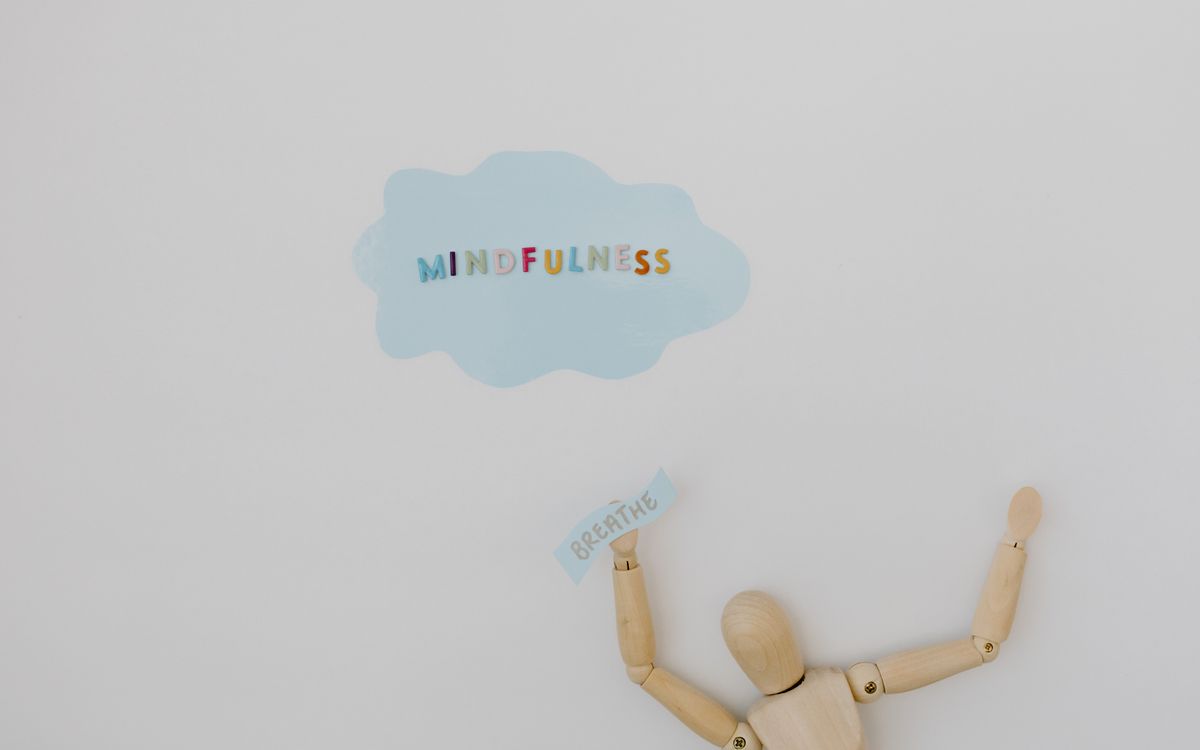
Photo by Tara Winstead on Pexels
Many people notice that strong emotions or stress can change how their rhinitis feels. Stress can alter breathing patterns, increase awareness of symptoms, or lead to behaviors that affect nasal comfort. Observing when symptoms rise or fall alongside moods can help reveal patterns.
Simple, non-medical practices may help during tense moments. Examples people try include brief mindful breathing, taking short breaks from a busy setting, sipping water, or using cooling measures like a damp cloth on the face. Guided breathing apps or short relaxation exercises can be convenient tools to try, though individual responses vary.
Keeping a brief log of mood, activity, and symptom changes can make connections clearer over time. Note where you were, what you were doing, and how your nose felt in short, simple entries — even a few lines per day can be useful. Look for repeating situations that match upticks in symptoms.
At work or in social settings, small adjustments can reduce stress and related discomfort for some people. Building in regular micro-breaks, managing sensory inputs when possible, and having small comfort items like tissues or water on hand can help. Clear, calm communication about needs may also reduce anxiety around social situations.
If you find emotional patterns are frequent or particularly troubling, you might choose to mention your observations to a trusted healthcare professional or counselor. Sharing a few symptom notes or examples can help them understand your experience. Meanwhile, gentle self-care and awareness can support day-to-day comfort.
Daily articles
Subscribe for daily reads and jump into the latest article now.
Receive RhinitisRank articles by text message and email each day, then head straight to the article library whenever you want a deeper read.

Fresh reading
Educational reads for flare-ups, patterns, and next steps.
Related reading
More articles in this topic cluster
Continue with nearby rhinitis questions, symptom patterns, and follow-up reading.

Rhinitis and Emotional Well-being: Stress, Mood, and Coping
Learn how stress and mood shifts can relate to rhinitis and find general, everyday strategies—breathing, routines, pacing, and communication—to support comfort and function.

Caring for Babies When You Have Rhinitis
Simple, cautious ideas for parents and caregivers who have rhinitis and look after infants. Learn ways to reduce triggers, plan short breaks, and prepare a small care kit.

Rhinitis and Emotional Well-Being: Managing Stress-Linked Symptoms
Stress and strong emotions can affect how rhinitis feels for some people. Learn gentle, non-medical approaches for coping and when to consider professional support.
Archive
Back to the article hub
Browse more RhinitisRank articles and long-tail education pages.
OpenPractical tools
Move into practical resources
Open tools like the trigger diary, checklists, and visit-prep resources.
OpenQuick assessment
Take the rhinitis quiz
Turn symptoms into a clearer starting point before your next appointment.
Open