
Scented Products and Rhinitis: Reducing Smell-Related Flare-Ups
Scents from perfumes, candles, and sprays can be a trigger for people with rhinitis. This article explains common scented sources and practical ways to limit exposure in everyday settings.
In brief
Understand how everyday scented products may affect rhinitis and learn practical, non-medical steps to avoid or reduce exposure in public and private spaces.
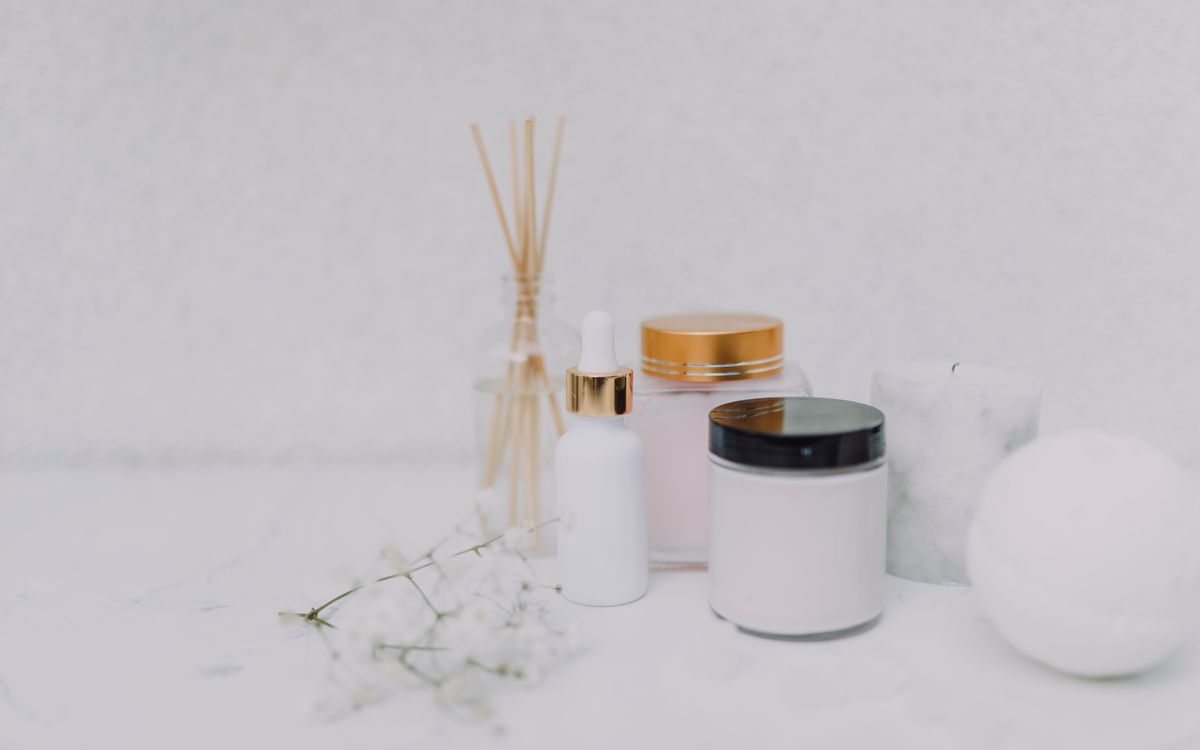
Photo by RDNE Stock project on Pexels
Many everyday items—perfumes, scented candles, air fresheners, and cleaning sprays—release volatile compounds that some people with rhinitis notice. Sensitivity varies: a scent that is mild for one person may prompt symptoms for another. Being aware of common scented sources is a first step in managing exposure.
In shared spaces, simple changes can reduce encounters with strong fragrances. Choosing fragrance-free cleaning and personal-care products, limiting the use of air fresheners, and airing a room after a scented product has been used are practical, non-medical approaches. Labels like “fragrance-free” or “unscented” can help when shopping, though wording varies by manufacturer.
When interacting with other people, respectful communication can help create more comfortable environments. In workplaces, schools, or social gatherings, asking for low-fragrance or fragrance-free options and explaining that scents affect your comfort can be effective. Some settings use clear policies or signage to encourage reduced scent use.
There are also situational strategies for minimizing exposure in public places. If possible, plan errands for quieter times, choose less fragranced aisles in stores, step outside briefly if a strong scent is present, or move to less crowded areas. Carrying tissues or a water bottle can help with immediate comfort, though these are personal coping measures rather than medical actions.
If scents are a frequent problem, consider preparing a brief list of preferred, fragrance-free products and sharing it with household members or coworkers. Small changes in cleaning routines and product choices can reduce the number of scent encounters. Above all, tailoring strategies to your own experience and comfort level is a practical way to limit unwanted exposures without medical guidance.
Daily articles
Subscribe for daily reads and jump into the latest article now.
Receive RhinitisRank articles by text message and email each day, then head straight to the article library whenever you want a deeper read.

Fresh reading
Educational reads for flare-ups, patterns, and next steps.
Related reading
More articles in this topic cluster
Continue with nearby rhinitis questions, symptom patterns, and follow-up reading.

Navigating Fragrance Sensitivity When You Have Rhinitis
Fragrances can be an invisible trigger for rhinitis symptoms. Learn common sources, communication approaches, and environment-focused strategies to reduce encounters.

Grocery Stores and Rhinitis: Practical Shopping Strategies
Shopping for groceries can expose you to scents, dust, and crowds. These practical strategies may help reduce rhinitis discomfort while you shop.

Managing Scent Sensitivity with Rhinitis in Daily Life
If fragrances and scented products affect your nose, learn straightforward ways to spot triggers, make small changes, and communicate needs in public and at work.
Archive
Back to the article hub
Browse more RhinitisRank articles and long-tail education pages.
OpenPractical tools
Move into practical resources
Open tools like the trigger diary, checklists, and visit-prep resources.
OpenQuick assessment
Take the rhinitis quiz
Turn symptoms into a clearer starting point before your next appointment.
Open