

Reducing Fragrance Exposure With Rhinitis in Daily Life
Fragrances are common triggers for people with rhinitis. Learn practical, non-prescriptive ways to notice, avoid, and reduce scent exposure in everyday settings.
In brief
Simple, everyday approaches can help limit contact with perfumes and scented products that may bother rhinitis. Explore gentle strategies for work, travel, and social situations.
Photo by Suhas Hanjar on Pexels
Many common products carry added fragrances: perfumes, colognes, laundry detergents, scented personal care items, air fresheners, and cleaning products. For people with rhinitis, these scents can be noticeable and uncomfortable; recognizing where they come from is a first step.
Fragrance exposure happens in varied places — offices, stores, public transit, and social events. Paying attention to patterns (for example, symptoms after entering a particular store or riding a crowded bus) can help identify frequent sources of scents.
At work or in shared spaces, low-key communication can be useful. Some people find polite, brief requests or email notes asking for scent-free consideration helpful; others suggest discussing options with human resources if formal policies are needed.
Practical, non-medical steps you might consider include choosing fragrance-free personal care items, carrying tissues and water, and temporarily moving away from a strong scent source when possible. Some people also find portable measures — such as a small scarf, a mask, or over-the-counter saline sprays — useful for short-term relief, though individual responses vary.
When planning travel, shopping, or social outings, think about timing and placement: arriving early, choosing less crowded areas, or stepping outside for fresh air may reduce exposure. It can also help to note scent triggers in a simple symptom diary and mention noticeable sensitivities to your healthcare provider during visits so they understand your environmental pattern.
Daily articles
Subscribe for daily reads and jump into the latest article now.
Receive RhinitisRank articles by text message and email each day, then head straight to the article library whenever you want a deeper read.
Fresh reading
Educational reads for flare-ups, patterns, and next steps.
Related reading
More articles in this topic cluster
Continue with nearby rhinitis questions, symptom patterns, and follow-up reading.

Choosing Personal Care Products When You Have Rhinitis
Explore gentle approaches to spotting fragrances, preservatives, and sprays in skincare and hair products. Learn non-prescriptive ideas to make grooming routines more comfortable.

Navigating Fragrances and Personal Care with Rhinitis
Learn how to spot scented ingredients, choose alternatives, and try low-risk ways to check new products. Practical communication tips for home and shared spaces are included.
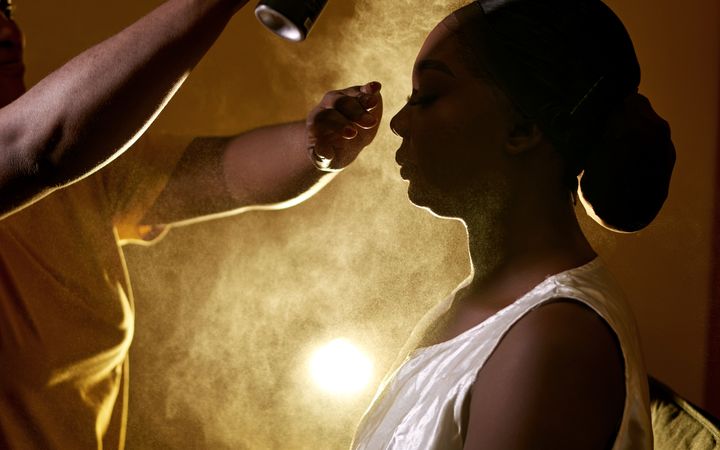
Visiting Hair Salons with Rhinitis: Practical Guidance
Salon visits often involve fragrances, sprays, and close contact that can affect rhinitis symptoms. Learn practical, non-prescriptive ideas for planning and communicating at the salon.
Archive
Back to the article hub
Browse more RhinitisRank articles and long-tail education pages.
OpenPractical tools
Move into practical resources
Open tools like the trigger diary, checklists, and visit-prep resources.
OpenQuick assessment
Take the rhinitis quiz
Turn symptoms into a clearer starting point before your next appointment.
Open