

Preparing for Medical and Dental Visits When You Have Rhinitis
Simple, practical guidance for planning and communicating about rhinitis during clinical appointments. Small steps can reduce discomfort and make visits run more smoothly.
In brief
Plan ahead for medical or dental appointments by noting symptoms, sharing triggers with providers, and bringing a few comfort items to reduce nasal irritation.
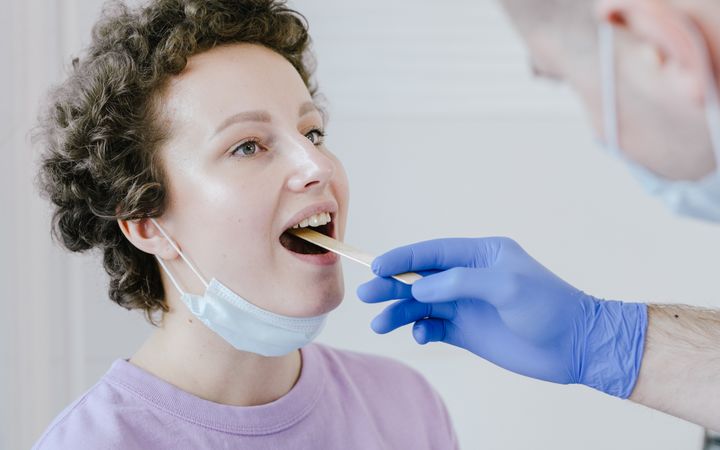
Photo by www.kaboompics.com on Pexels
Before an appointment, a little preparation can help. Consider noting when symptoms are worst, what seems to trigger them, and any current medications or over-the-counter products you use. Packing easy-to-access items like tissues, water, and a small supply of saline rinse or nasal comfort items may make waiting and the visit itself more comfortable.
Clear communication with your clinician or dentist can shape how the appointment goes. You might describe symptom timing, specific triggers, and how nasal symptoms affect your daily activities. Mentioning recent changes in environment or exposures can help the care team understand what you’ve been experiencing.
Waiting rooms and clinic spaces sometimes have scents, disinfectant smells, or crowded air that can bother sensitive noses. If you prefer, ask the front desk whether quieter seating or a less crowded time is available, and choose a spot with good airflow when possible. Simple items like tissues, bottled water, and a small packet of throat lozenges can be helpful while you wait.
Dental visits bring special considerations, such as leaning back in the chair and exposure to dental sprays and pastes. These differences in position and new smells may temporarily change how your nose feels. It can be useful to let the dental team know you may need short breaks or adjustments to reduce discomfort during specific steps.
After the visit, a brief symptom note can help with follow-up conversations. Recording what felt better or worse and any exposures you encountered on the way to or from the appointment gives clinicians context for future visits. Don’t hesitate to ask clarifying questions about aftercare, scheduling, or ways to reduce nasal irritation at future appointments.
Daily articles
Subscribe for daily reads and jump into the latest article now.
Receive RhinitisRank articles by text message and email each day, then head straight to the article library whenever you want a deeper read.

Fresh reading
Educational reads for flare-ups, patterns, and next steps.
Related reading
More articles in this topic cluster
Continue with nearby rhinitis questions, symptom patterns, and follow-up reading.
Preparing for a Rhinitis Visit: Notes and Questions
Simple steps to plan a rhinitis visit: what to bring, how to summarize symptoms, and useful question prompts to help the conversation with your clinician.

Preparing for a Rhinitis Appointment: What to Bring
Organize symptom notes, a medication list, and a few clear questions to bring to your rhinitis appointment. Small preparations can help your visit run more smoothly.
Preparing for a Rhinitis Appointment: What to Bring
A few simple notes and items can help your clinician understand your rhinitis patterns. Use this practical checklist to organize symptoms, meds, and questions.
Archive
Back to the article hub
Browse more RhinitisRank articles and long-tail education pages.
OpenPractical tools
Move into practical resources
Open tools like the trigger diary, checklists, and visit-prep resources.
OpenQuick assessment
Take the rhinitis quiz
Turn symptoms into a clearer starting point before your next appointment.
Open