

Preparing for an ENT Visit About Rhinitis Symptoms
A few simple steps can help make a clinic visit about nasal symptoms more focused and easier to follow. This guide outlines what to note, what to bring, and how to describe your experience.
In brief
A short checklist for clinic visits about rhinitis: symptom notes, medications, photos, and question ideas to help conversations with ENT or primary care providers.
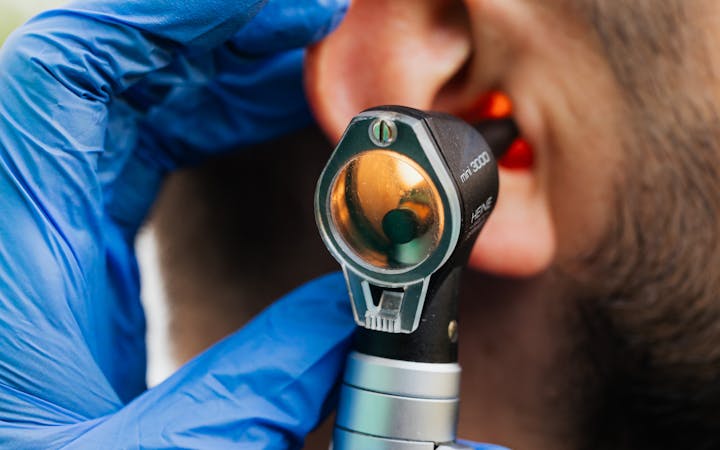
Photo by Gustavo Fring on Pexels
Preparing for a clinic visit about rhinitis can make the time with a provider more productive. A little advance organization helps you communicate symptom patterns, daily impact, and prior responses to treatments without feeling rushed.
Start a short symptom diary in the days or weeks before your visit. Note when symptoms occur, what seems to trigger them, how long they last, and any effects on sleep, work, or activities. Briefly recording severity on a simple 0–10 scale or noting whether symptoms are constant or intermittent can be useful for describing patterns.
Gather practical items to bring: a current list of prescription and over-the-counter medications (including nasal sprays, saline rinses, and supplements), photos if there are visible signs you want to show, and any prior test results or specialist letters. Bringing medication bottles or photos of packaging can help ensure names and doses are accurate during the visit.
Think about clear, concrete language to describe your experience. Describe timing (how long symptoms have been present), common triggers (environments or activities), and what eases or worsens symptoms. Avoid assuming a diagnosis in conversation; focus on the history and how symptoms affect daily life.
Prepare a few questions you want to ask and bring a notepad or phone to capture answers and next steps. If you prefer, arrange for a companion or an interpreter to join the visit. Sharing concise notes and materials can help you and the provider prioritize concerns and consider appropriate follow-up.
Daily articles
Subscribe for daily reads and jump into the latest article now.
Receive RhinitisRank articles by text message and email each day, then head straight to the article library whenever you want a deeper read.

Fresh reading
Educational reads for flare-ups, patterns, and next steps.
Related reading
More articles in this topic cluster
Continue with nearby rhinitis questions, symptom patterns, and follow-up reading.

Preparing for an ENT or Allergy Visit About Rhinitis
A concise checklist of what to record and bring to rhinitis appointments, from symptom patterns to current treatments. Practical prep to support clearer provider conversations.
Preparing for a Rhinitis Clinic Visit: A Practical Checklist
Organizing symptoms, medicines, and questions ahead of a rhinitis visit can help you and your clinician use appointment time efficiently. This checklist outlines helpful items to bring and discuss.

How to Prepare for Rhinitis Provider Visits
Simple steps to organize symptoms, medications, and questions before a rhinitis appointment. Tips for tracking history and items to bring to clinic or telehealth.
Archive
Back to the article hub
Browse more RhinitisRank articles and long-tail education pages.
OpenPractical tools
Move into practical resources
Open tools like the trigger diary, checklists, and visit-prep resources.
OpenQuick assessment
Take the rhinitis quiz
Turn symptoms into a clearer starting point before your next appointment.
Open