

Preparing for a Rhinitis Visit: Questions and Symptom Tracking
Small steps before an appointment can help you use clinic time more effectively. Learn simple ways to track symptoms, note triggers, and gather practical details to discuss.
In brief
Plan what to bring and what to note before a rhinitis visit. A short symptom log and a focused question list can make the appointment more productive.
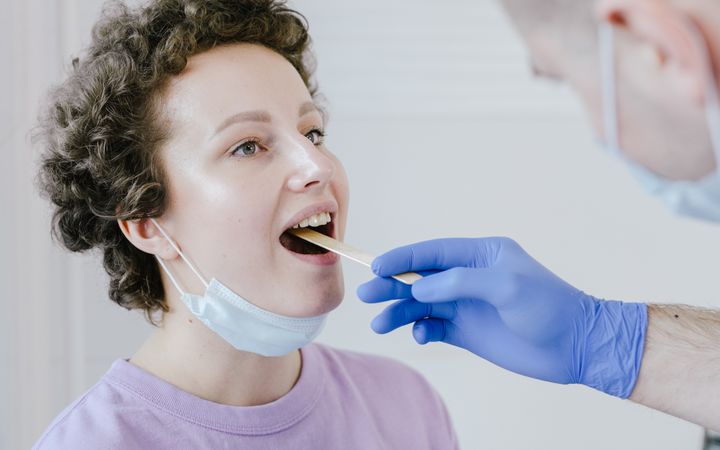
Photo by Anna Shvets on Pexels
A brief plan before a rhinitis appointment can help you and your provider focus on what matters most. Thinking ahead about symptoms, triggers, and recent treatments makes discussions clearer and can make better use of limited clinic time.
Keeping a short symptom diary for a week or two can be useful to show patterns. Note timing (morning, evening), common triggers (smells, outdoor exposure), how severe symptoms feel, and any effects on sleep, work, or daily activities. Short, consistent notes are often easier to review during an appointment than long narratives.
Gather a concise list of current and recent treatments, including over-the-counter remedies, nasal sprays, rinses, and any prescription medicines. Recording names, doses, how often you use them, and whether you noticed helpful or bothersome effects can provide quick context without needing to recall details from memory.
Write a brief question list and prioritize the top two or three items you most want to address. Examples include clarifying next steps, asking about possible tests or specialist referrals, or discussing ways to manage symptoms during specific activities. Bringing the list to the visit helps keep the conversation focused and ensures key concerns aren’t missed.
Bring practical items that make the visit smoother: your medication list, any recent test reports or photos of symptoms, and insurance or identification as needed. If helpful, consider bringing a friend or using a phone note to record answers—many people find having a written record makes following up easier. For virtual visits, check connectivity, have your notes handy, and be ready to share summaries or photos electronically if asked.
Daily articles
Subscribe for daily reads and jump into the latest article now.
Receive RhinitisRank articles by text message and email each day, then head straight to the article library whenever you want a deeper read.

Fresh reading
Educational reads for flare-ups, patterns, and next steps.
Related reading
More articles in this topic cluster
Continue with nearby rhinitis questions, symptom patterns, and follow-up reading.

Preparing for an ENT or Allergy Visit About Rhinitis
Practical steps to organize symptom notes, bring relevant items, and communicate priorities at an ENT or allergy visit for rhinitis. Aim for clear examples and efficient use of office time.
Preparing for a Rhinitis Visit: Notes and Questions
Simple steps to plan a rhinitis visit: what to bring, how to summarize symptoms, and useful question prompts to help the conversation with your clinician.

Preparing for a Rhinitis Appointment: What to Bring
Organize symptom notes, a medication list, and a few clear questions to bring to your rhinitis appointment. Small preparations can help your visit run more smoothly.
Archive
Back to the article hub
Browse more RhinitisRank articles and long-tail education pages.
OpenPractical tools
Move into practical resources
Open tools like the trigger diary, checklists, and visit-prep resources.
OpenQuick assessment
Take the rhinitis quiz
Turn symptoms into a clearer starting point before your next appointment.
Open