

Packing a Practical Travel Kit for Rhinitis Management
A compact, thoughtful travel kit can make trips easier when you have rhinitis. This guide outlines useful items and simple planning steps to reduce common travel-related challenges.
In brief
Short checklist and travel-smart tips for people with rhinitis: what to carry, what to keep in carry-on, and simple habits to reduce triggers while away from home.
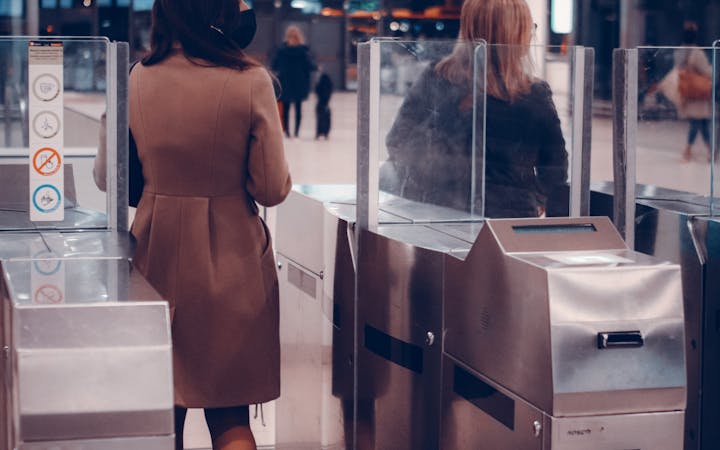
Photo by Marta Branco on Pexels
Travel can expose you to dry air, unfamiliar scents, and changing routines — all of which may affect rhinitis symptoms. Thinking ahead about what to pack and how to travel can help you respond quickly to discomfort and avoid scrambling for supplies while away.
Start with a compact carry-on kit that holds essentials you might need during a flight or long transit. Consider items such as tissues, a small pack of hypoallergenic wipes, a mask, sealed saline spray or saline sachets, and a travel-sized lubricant for eyes or nasal dryness. Keep any prescribed medicines in their original packaging and bring a written list of what you take and why; this can help with airport security and if you need to describe your needs to a clinician abroad.
Think about comfort and environment: a lightweight scarf, layered clothing, and a refillable water bottle make it easier to manage dry cabin air or temperature shifts. A small battery-operated or USB humidifier may be useful for longer stays where hotel air is very dry, and a compact pillow or soft face covering can reduce contact with unfamiliar surfaces. If you use over-the-counter items, pack spares and consider placing duplicates in checked luggage to avoid running out.
Before you leave, check transport and country rules on carrying medications and medical liquids, and carry documentation when helpful. If you expect language barriers, a brief note in the local language explaining your condition and needs can be useful. Communicating calmly with travel companions or staff about seat selection, breaks, or scent sensitivity may reduce exposure to triggers during transit.
Finally, plan simple routines you can follow while away: regular hydration, short breaks for fresh air when possible, gentle nasal rinses or saline use if those are part of your usual care, and prioritizing rest after long travel. These practical steps are not medical advice but can help you anticipate common travel challenges and keep essential items within reach.
Daily articles
Subscribe for daily reads and jump into the latest article now.
Receive RhinitisRank articles by text message and email each day, then head straight to the article library whenever you want a deeper read.

Fresh reading
Educational reads for flare-ups, patterns, and next steps.
Related reading
More articles in this topic cluster
Continue with nearby rhinitis questions, symptom patterns, and follow-up reading.

Commuting by Car with Rhinitis: Making Drives More Comfortable
Practical tips to reduce bother during car commutes with rhinitis. Focus on air flow, timing, quick supplies, and simple in-car routines.

Managing Rhinitis During Air Travel and Overnight Stays
Tips to help people with rhinitis prepare for flights and overnight trips, focusing on airport, in-flight, and overnight comfort. Pack-friendly items and simple habits for smoother travel.
Traveling with Rhinitis: Practical Tips for Comfortable Trips
Travel can introduce new smells, dry air, and timing challenges that affect rhinitis symptoms. This article outlines general, non-prescriptive strategies to help you plan and adapt while away from home.
Archive
Back to the article hub
Browse more RhinitisRank articles and long-tail education pages.
OpenPractical tools
Move into practical resources
Open tools like the trigger diary, checklists, and visit-prep resources.
OpenQuick assessment
Take the rhinitis quiz
Turn symptoms into a clearer starting point before your next appointment.
Open