

Nighttime Routines for Rhinitis: Improving Sleep Comfort
Many people with rhinitis notice symptoms change after dark. This article outlines common nighttime triggers and practical, non-prescriptive ideas for bedtime routines that some people find helpful for sleep comfort.
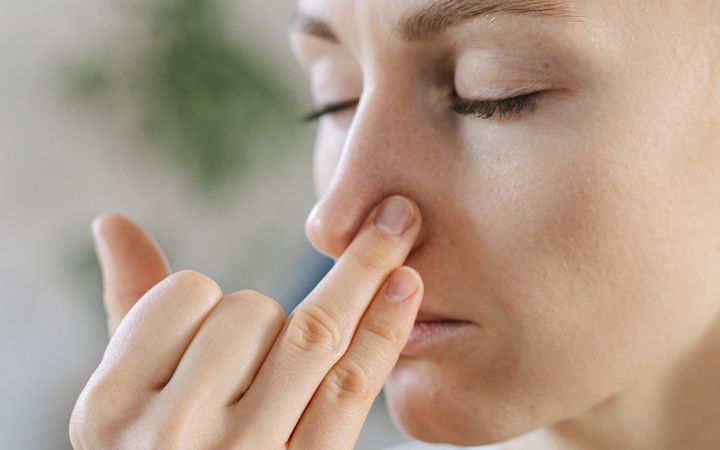
Photo by RDNE Stock project on Pexels
Rhinitis symptoms — such as nasal stuffiness, sneezing, or a runny nose — can feel different at night and may interfere with falling or staying asleep. Understanding common patterns and keeping a simple symptom log can help identify whether evenings or sleep are consistently linked to worse symptoms.
Nighttime triggers can include indoor allergens, temperature and humidity changes, and airborne irritants that build up while you sleep. Body position and the timing of meals or evening activities can also influence how symptoms present at night; observing patterns without assuming a single cause is a useful first step.
Many people adapt their bedtime routines to reduce nighttime bother. Small, non-prescriptive changes — such as gentle nasal rinsing, adjusting humidity, or avoiding strong evening fragrances — are approaches some individuals try to reduce irritation before bed. If you’re considering new products or significant routine changes, it’s reasonable to talk with a health professional about what might suit your situation.
Improving general sleep habits can also support overall comfort: consistent bedtimes, winding down activities, and limiting stimulating screens before sleep are commonly recommended for sleep health. Keeping bedding laundered and minimizing dust buildup in sleeping areas are practical steps that some people find helpful, though individual responses vary.
If nocturnal symptoms are frequent or disruptive, tracking timing and triggers and sharing that information with a clinician can help guide next steps. The goal is to find manageable, personalized routines that support better nights without jumping to specific treatments or assumptions about causes.
Daily articles
Subscribe for daily reads and jump into the latest article now.
Receive RhinitisRank articles by text message and email each day, then head straight to the article library whenever you want a deeper read.

Fresh reading
Educational reads for flare-ups, patterns, and next steps.
Related reading
More articles in this topic cluster
Continue with nearby rhinitis questions, symptom patterns, and follow-up reading.

Rhinitis and Emotional Well-being: Stress, Mood, and Coping
Learn how stress and mood shifts can relate to rhinitis and find general, everyday strategies—breathing, routines, pacing, and communication—to support comfort and function.

Sleep-Friendly Routines for People with Rhinitis
Simple, non-prescriptive ideas to adjust pre-bed habits, bedroom air, and basic nasal care. Helpful when symptoms tend to flare overnight.
Improving Nighttime Comfort with Rhinitis: Sleep Strategies
Small changes to your pre-sleep routine and sleep environment can ease nighttime rhinitis symptoms. This article highlights practical, general strategies to try.
Archive
Back to the article hub
Browse more RhinitisRank articles and long-tail education pages.
OpenPractical tools
Move into practical resources
Open tools like the trigger diary, checklists, and visit-prep resources.
OpenQuick assessment
Take the rhinitis quiz
Turn symptoms into a clearer starting point before your next appointment.
Open