

Navigating Fragrances and Personal Care with Rhinitis
Scented personal care products can be a hidden source of nasal irritation. This article explains simple, practical ways to recognize scented triggers and reduce exposure in daily grooming.
In brief
Learn how to spot scented ingredients, choose alternatives, and try low-risk ways to check new products. Practical communication tips for home and shared spaces are included.
Photo by Anastasia Shuraeva on Pexels
Many everyday personal care items—perfumes, deodorants, shampoos, and some cosmetics—contain added fragrances that some people with rhinitis notice as irritating. Scent sensitivity varies widely: what bothers one person may be unnoticeable to another. Being aware of product sources can help you reduce unexpected exposure.
Labels can offer useful clues, but language varies. Terms like "unscented," "fragrance-free," or a list of specific fragrance ingredients have different meanings on packaging; some products labeled "unscented" still contain masking agents. Looking for explicit "fragrance-free" claims or checking ingredient lists for words like "parfum" or "fragrance" can help you choose options with fewer added scents.
Trying a new product in a small, controlled way can reduce surprise reactions. Applying a small amount to your forearm or wearing a single product for a short time are simple steps some people use to assess tolerance. If you use many scented items at once (hair, body, perfume), testing one product at a time makes it easier to notice which one might be linked to symptoms.
Practical habits can also reduce exposure in shared spaces. Applying scented products at home rather than in crowded or enclosed settings, choosing unscented personal care for work or public events, and politely sharing scent preferences with coworkers or household members are options people report finding helpful. Clear, brief communication about scent sensitivity often avoids awkwardness.
If scented products seem to be a recurring problem for you, keeping a short note of when symptoms occur and which products were used can be informative for conversations with a healthcare provider. This article is informational and not a substitute for professional advice; if symptoms are frequent or severe, consider discussing them with a clinician who can offer individualized guidance.
Daily articles
Subscribe for daily reads and jump into the latest article now.
Receive RhinitisRank articles by text message and email each day, then head straight to the article library whenever you want a deeper read.

Fresh reading
Educational reads for flare-ups, patterns, and next steps.
Related reading
More articles in this topic cluster
Continue with nearby rhinitis questions, symptom patterns, and follow-up reading.
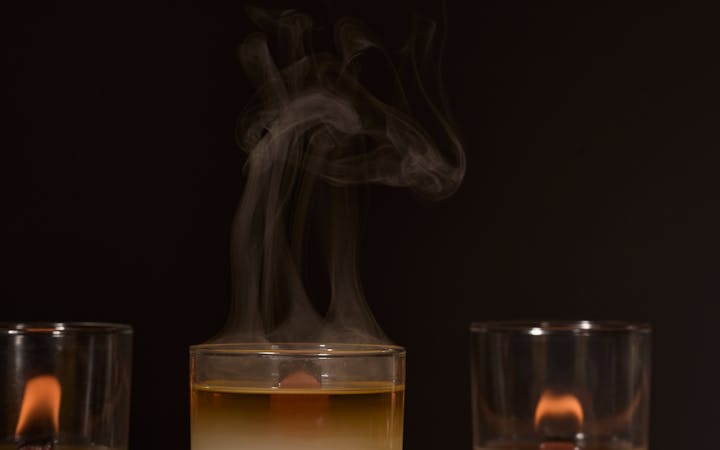
Making Scents Work: Managing Fragrances With Rhinitis
Many people with rhinitis notice that perfumes, scented products, and strong odors can affect their nasal comfort. This article explains how to recognize common fragrance sources and practical ways to reduce exposure in daily life.

Choosing Personal Care Products When You Have Rhinitis
Explore gentle approaches to spotting fragrances, preservatives, and sprays in skincare and hair products. Learn non-prescriptive ideas to make grooming routines more comfortable.
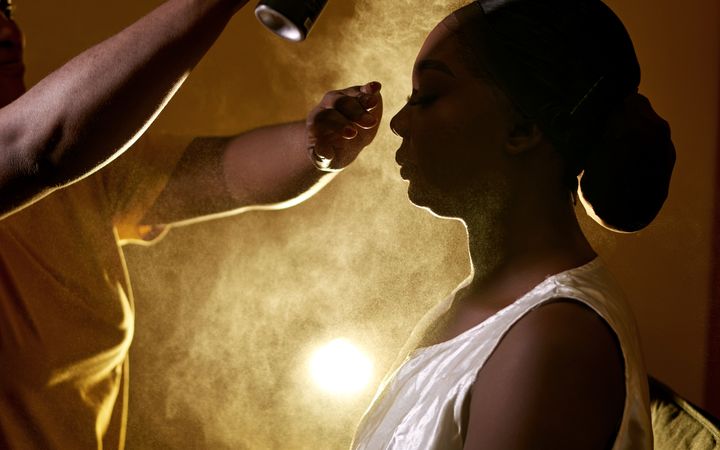
Visiting Hair Salons with Rhinitis: Practical Guidance
Salon visits often involve fragrances, sprays, and close contact that can affect rhinitis symptoms. Learn practical, non-prescriptive ideas for planning and communicating at the salon.
Archive
Back to the article hub
Browse more RhinitisRank articles and long-tail education pages.
OpenPractical tools
Move into practical resources
Open tools like the trigger diary, checklists, and visit-prep resources.
OpenQuick assessment
Take the rhinitis quiz
Turn symptoms into a clearer starting point before your next appointment.
Open