

Managing Rhinitis on Planes: Practical Air Travel Tips
Flying can change your usual rhinitis routine. This article describes common flight-related factors and practical steps people use to reduce symptom triggers while traveling.
In brief
A concise guide to preparing, packing, and making in-flight choices that may help reduce rhinitis triggers and make air travel more comfortable.
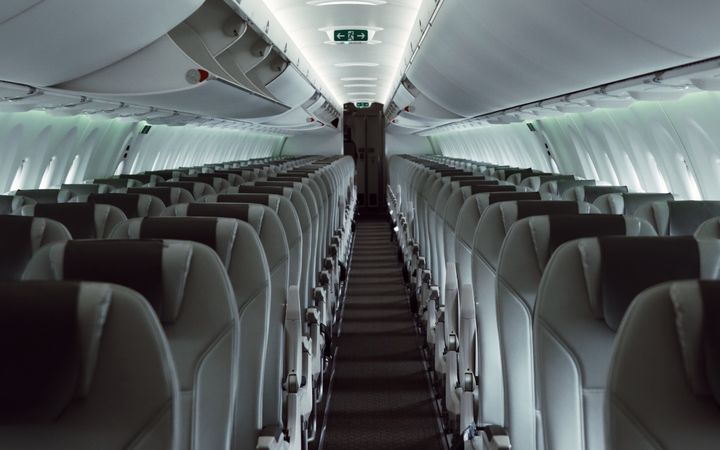
Photo by Pew Nguyen on Pexels
Air travel exposes many people with rhinitis to unfamiliar triggers: dry cabin air, close quarters, and transient smells. Planning ahead can help you anticipate situations where symptoms might be more noticeable.
Before you go, think about packing a small comfort kit: tissues, a travel-sized saline rinse or spray, a moisturizer for dry nasal passages and lips, and any items you typically use at home. Some people also find it helpful to carry a copy of a care plan or a note about their needs for quicker conversations with airline staff.
At the airport, choices like seating and timing can matter to comfort—shorter layovers can limit exposure, and aisle seats may allow easier access to lavatories and movement. Security rules affect how you pack liquids and medical supplies, so check airline and airport guidance to avoid surprises at checkpoints.
Onboard, cabin air tends to be dry and recirculated; staying hydrated and using saline sprays or inhaled humidifying strategies that you normally use may feel helpful to some travelers. Minimizing exposure to strong scents from other passengers or service items—by using a mask or selecting seating away from galley areas—are practical adjustments others report using.
If you take prescribed medications or use medical devices, review airline policies about carrying them onto the plane and keep them in your carry-on. Talking with your regular healthcare provider before a long trip can help you confirm what to carry and any documentation you may want.
After landing, allow time to acclimate to humidity and local air quality as you move through your destination. Keeping a simple log of how your rhinitis reacts during and after flights can help identify patterns for future trips and inform conversations with your provider.
Daily articles
Subscribe for daily reads and jump into the latest article now.
Receive RhinitisRank articles by text message and email each day, then head straight to the article library whenever you want a deeper read.

Fresh reading
Educational reads for flare-ups, patterns, and next steps.
Related reading
More articles in this topic cluster
Continue with nearby rhinitis questions, symptom patterns, and follow-up reading.

Flying with Rhinitis: Air Travel Comfort Strategies
Learn practical, cautious strategies for managing rhinitis while flying, from smart carry-on choices to simple inflight habits that some people find helpful.

Flying with Rhinitis: Practical Tips for Air Travel
Air travel can affect nasal comfort through dry air, pressure changes, crowds, and scents. Learn practical, non-prescriptive ideas for packing, airport navigation, and in-flight care.
Flying with Rhinitis: In-Flight Comfort and Planning
Prepare for flights by choosing seats, packing nasal-care items, and using simple in-flight habits that many people with rhinitis find helpful.
Archive
Back to the article hub
Browse more RhinitisRank articles and long-tail education pages.
OpenPractical tools
Move into practical resources
Open tools like the trigger diary, checklists, and visit-prep resources.
OpenQuick assessment
Take the rhinitis quiz
Turn symptoms into a clearer starting point before your next appointment.
Open