

Managing Rhinitis on Buses, Trains, and Rideshares
Practical strategies to reduce exposure to common transit triggers and make journeys more comfortable for people with rhinitis.
In brief
Using public transit can expose you to smells, crowds, and ventilation changes that affect rhinitis. Learn simple planning and on-board steps to help ease travel.
Public transit brings together several common rhinitis triggers: crowded spaces, concentrated odors (food, smoke, cleaning products), shifting humidity, and variable ventilation. These factors can make symptoms feel worse for some people, especially during peak travel times or on long rides. Recognizing the typical triggers you encounter can help you plan trips that feel more manageable.
Timing and route choices are simple tools for many commuters. Traveling off-peak, choosing less-crowded lines, or picking a route with newer vehicles or better ventilation are all examples of planning steps some people use. When boarding, seat selection can matter: a window seat may give access to fresh air if windows open, while a spot near a carriage center may feel more stable in temperature and airflow.
On-board strategies focus on airflow and distance from obvious sources of irritation. If available, directing vent flow away from your face or opening a window briefly (where permitted) may change the immediate air you breathe. Some people use face coverings or light scarves to reduce direct exposure to airborne irritants; others prefer to move to a less crowded car or platform when possible.
Carrying a compact transit kit can make short-term symptoms easier to handle. Items people commonly bring include tissues, bottled water, a small pack with scent-free wipes, and any non-prescription comfort items they prefer. A discreet pouch gives quick access to what you need without disrupting a shared space.
Rideshares and taxis bring different considerations because vehicles are smaller and settings vary. Sitting in a back seat, requesting gentle ventilation adjustments, or briefly airing a car after a ride are practical options some travelers try. When possible, choosing drivers or services with clear cleaning policies can also reduce uncertainty about vehicle conditions.
If public transit is a frequent part of your routine, experimenting with a few of these approaches over several trips can help you find what feels best. Keeping a note of routes, times, and what helped or didn’t can clarify patterns. For ongoing concerns, a conversation with a clinician or local health resource can provide personalized ideas suited to your situation.
Daily articles
Subscribe for daily reads and jump into the latest article now.
Receive RhinitisRank articles by text message and email each day, then head straight to the article library whenever you want a deeper read.

Fresh reading
Educational reads for flare-ups, patterns, and next steps.
Related reading
More articles in this topic cluster
Continue with nearby rhinitis questions, symptom patterns, and follow-up reading.
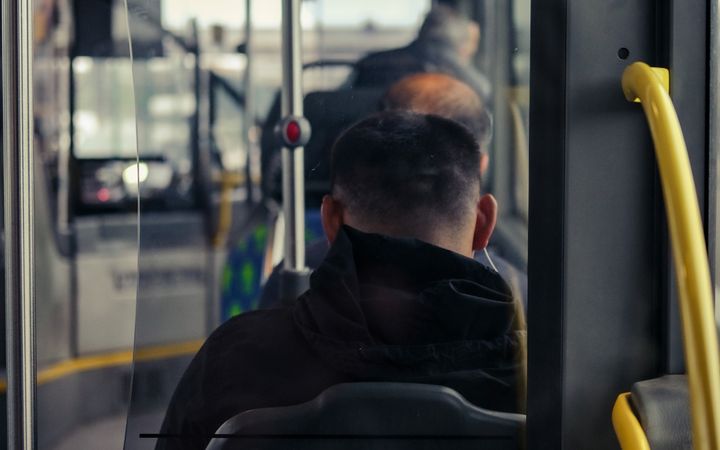
Commuting with Rhinitis: Practical Tips for Daily Travel
Small changes before and during your commute may help reduce exposure to common triggers. Consider a compact care kit and simple ventilation and seating strategies.

Commuting with Rhinitis: Tips for Buses, Trains, and Subways
Simple strategies — from route choices to small items to carry — can make bus, train, and subway commutes easier for people with rhinitis.
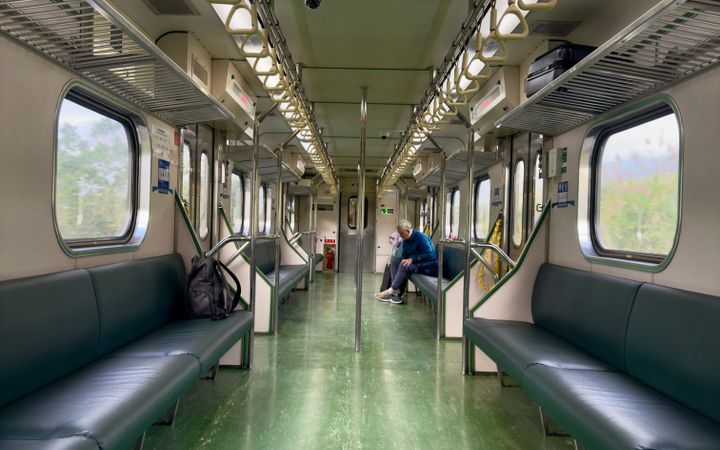
Commuting with Rhinitis: Public Transit and Ride Strategies
Crowds, vehicle fumes, and sudden temperature changes are common commuting triggers. This guide reviews simple planning and in-transit strategies to lessen exposure.
Archive
Back to the article hub
Browse more RhinitisRank articles and long-tail education pages.
OpenPractical tools
Move into practical resources
Open tools like the trigger diary, checklists, and visit-prep resources.
OpenQuick assessment
Take the rhinitis quiz
Turn symptoms into a clearer starting point before your next appointment.
Open